Whanganui New Zealand is a river city on the west coast of the North Island, built at the mouth of the Whanganui River. It is the 19th most-populous urban area in the country and the second-most-populous in the Manawatū-Whanganui region, with a population of 42,800 as of June 2025. It also happens to be one of New Zealand’s oldest cities, which gives the place a depth of character that newer centres find hard to match.
For travellers putting together a North Island itinerary, Whanganui is the kind of stop that rewards a little effort. It sits off the main north-south state highway, so it takes a deliberate decision to go there. Most people who make that decision are glad they did.
Where Whanganui Sits in New Zealand
Whanganui District occupies part of the west coast of the North Island, within the Manawatū-Whanganui region. The city itself clusters around the mouth of the Whanganui River, which is the longest navigable river in New Zealand. That single geographical fact explains a great deal about the place: its history, its economy, and the way the city looks and feels.
Its central North Island location puts it within a three-hour drive of Wellington, which makes it a realistic add-on to a capital city stay rather than a separate expedition. At the same time, it requires a detour from the main north-south state highway, so it is not a place you stumble across by accident. That is part of its appeal. Whanganui sees a fraction of the traffic that flows through more obvious tourist stops, and it retains a relaxed, lived-in quality as a result.
Anyone planning a self-drive trip around the North Island should treat Whanganui as a destination in its own right rather than a fuel stop. The city is compact enough to walk around, and the river gives it a natural orientation point.
A Short History of One of New Zealand’s Oldest Cities
Whanganui is one of New Zealand’s oldest cities. It was the New Zealand Company’s second settlement, and it began as an adjunct of the first, Wellington, in 1840. That makes it a useful place to visit if you want to understand how organised European settlement spread through the country, because the early street layout and the surviving heritage buildings tell that story more clearly than a museum label can.
The name itself is worth knowing before you arrive. Whanganui received its name from Haunui-a-Nanaia, also known as Hau, a chief who arrived in New Zealand on the Aotea waka. The name means “the long wait”. You will still occasionally see the spelling Wanganui without the h, and the city is also referred to by that alternate spelling, so don’t be confused if you spot it on an older sign or a map.
That origin story matters to the city’s identity. Whanganui is a place where Māori history and colonial history sit side by side, and the river runs through both.
The Whanganui River: New Zealand’s Longest Navigable Waterway
The Whanganui River is the anchor of the city and the reason it exists where it does. As New Zealand’s longest navigable river, it has long served as a route into the interior of the North Island, and the city grew up around the point where that route meets the sea.
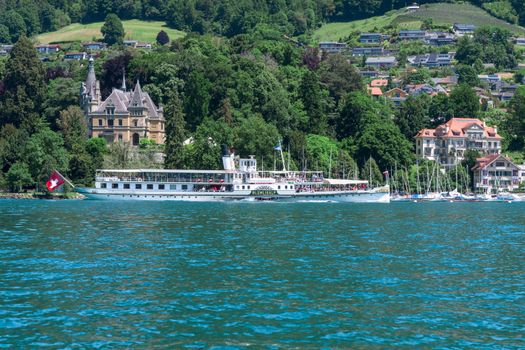
A paddle steamer operates on the river, which gives visitors a chance to experience the waterway in a way that feels tied to its history rather than bolted on for tourists. River trips are one of the signature things to do in Whanganui, and for many people they are the memory that sticks.
Even if you never get on the water, the river shapes a visit. Walks along the banks, views from the surrounding hills, and the simple fact that the city curves with the water all come back to this one feature. If you are travelling with children, the riverfront is an easy place to spend an hour without spending much money.
Arts and Culture in Whanganui
Whanganui has a thriving arts and culture scene, and it punches well above its weight for a city of its size. This is not a single gallery you tick off and leave. It is a cluster of studios, workshops and small venues that give the city centre a creative energy.
New Zealand Glassworks
New Zealand Glassworks is one of the standout attractions in the city and appears on most lists of the best things to do in Whanganui. It is a working glass studio as much as a visitor attraction, which means you can watch makers at work and see how pieces come together. Check current opening hours and any booking requirements directly with the venue before you plan your day around it, because studio schedules can change.
Quartz Museum of Studio Ceramics
The Quartz Museum of Studio Ceramics is another of the city’s well-known cultural stops, and it sits alongside New Zealand Glassworks in the list of things travellers most often name when they talk about Whanganui. Together, the two venues make a strong case for setting aside a decent block of time in the city centre rather than rushing through. Confirm opening hours ahead of your visit.
Heritage Buildings and Landmarks
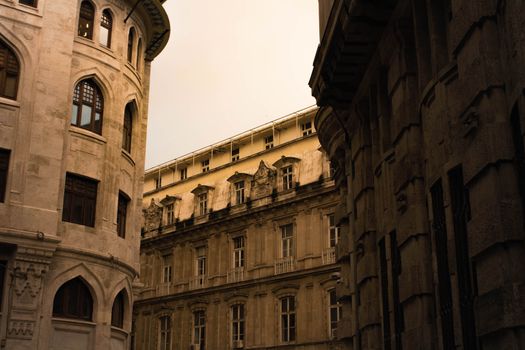
Whanganui’s heritage buildings are one of the reasons the city looks and feels different from a typical New Zealand provincial centre. Because it is one of the country’s oldest cities, it has layers of architecture that have survived, and walking the streets is a genuine activity here rather than just a way of getting from A to B.
Durie Hill Elevator
The Durie Hill Elevator is one of the most frequently recommended things to do in Whanganui. It is a piece of local infrastructure with real heritage value, and it offers a different perspective on the city and the river below. As with any heritage attraction, opening hours and operating arrangements can vary, so it pays to confirm details with the official visitor information before you go.
The Paddle Steamer
The paddle steamer is one of the images most associated with Whanganui and one of the reasons the city describes itself as a river city with heritage, arts and culture at its core. A trip on board is a straightforward way to combine history with a bit of time on the water, and it suits visitors of most ages.

Getting to Whanganui New Zealand
Whanganui’s central North Island position puts it within a three-hour drive of Wellington. If you are basing yourself in the capital, that makes a day trip or an overnight stay realistic, though an overnight stay gives you far more breathing room.
The city sits off the main north-south state highway, so a visit requires a deliberate detour. If you are travelling by campervan or on a self-drive itinerary, this is worth factoring into your route planning. Rather than trying to squeeze Whanganui into a transit day, treat it as a proper stop on the way between the lower North Island and the rest of the country.
Is Whanganui Worth Visiting?
Yes, and the reasons are straightforward. Whanganui is an attractive city on the west coast of New Zealand’s North Island, with a river that defines it, a strong arts and culture scene, heritage buildings, a paddle steamer and much more. It is described as one of the best places to visit, live and do business in New Zealand, and that combination of liveability and visitor appeal shows up in the way the city presents itself.
The detour factor works in your favour. Because Whanganui is not sitting directly on the main highway, it does not get the same crush of passing traffic as more conveniently located towns. You get a city with real substance and a slower pace. For travellers who have already seen the headline destinations and want somewhere with more texture, Whanganui fits neatly.
Practical Tips for Planning Your Visit
- Confirm opening hours, tour times and booking requirements directly with each attraction or the official Whanganui visitor information before you travel, since heritage and studio venues can operate on limited schedules.
- Plan an overnight stay rather than a rushed day trip if you can. The drive from Wellington is manageable, but the city rewards time.
- Build the river into your plan. Whether that means a paddle steamer trip or simply a walk along the banks, it is the feature that ties everything else together.
- Allow time for the city centre on foot. The heritage buildings and the arts venues are best experienced slowly.
- If you are on a budget, the riverfront and the streetscape cost nothing and are among the best things the city offers.
Frequently Asked Questions
What is Whanganui famous for?
Whanganui is best known as a river city on the west coast of the North Island, sitting at the mouth of the Whanganui River, which is New Zealand’s longest navigable river. It is also recognised for its arts and culture scene, its heritage buildings, a paddle steamer, New Zealand Glassworks and the Quartz Museum of Studio Ceramics.
Is Whanganui worth visiting?
Whanganui is described as one of the best places to visit, live and do business in New Zealand. It offers a thriving arts and culture scene, heritage architecture, a working river and a paddle steamer. Because it sits off the main north-south state highway, it requires a detour, which keeps it quieter than more convenient stops.
How far is Whanganui from Wellington?
Whanganui’s central North Island location puts it within a three-hour drive of Wellington. That makes a day trip possible, though many visitors find an overnight stay more comfortable. The city is not on the main north-south state highway, so you will need to plan a deliberate detour rather than passing through on the way.
Why is Whanganui sometimes spelt Wanganui?
Whanganui is also spelt Wanganui, and you may still see the shorter version on older signs and maps. The name comes from Haunui-a-Nanaia, also known as Hau, a chief who arrived in New Zealand on the Aotea waka. The name means “the long wait”.
How big is Whanganui?
Whanganui is the 19th most-populous urban area in New Zealand and the second-most-populous in the Manawatū-Whanganui region. Its population was 42,800 as of June 2025. Despite its modest size, it is one of the country’s oldest cities, having begun as the New Zealand Company’s second settlement in 1840.
Whanganui works best for travellers who are willing to leave the main road and spend a night somewhere with a bit of history behind it. Between the river, the arts venues, the heritage buildings and the paddle steamer, there is enough here to fill a comfortable day and a half, and the three-hour drive from Wellington makes it an easy addition to a lower North Island itinerary.