
New Zealand has a reputation for being expensive. Here’s how to experience it on a shoestring — without missing a thing.
Let’s be honest upfront: New Zealand is not a cheap destination. The flights are long and costly, the New Zealand dollar doesn’t do tourists many favours, and a café flat white and a sandwich can set you back $20 without blinking. But here’s the thing — the greatest experiences this country offers are almost entirely free. The mountains don’t charge an entry fee. The beaches are public. The walking tracks are open to everyone. With a bit of planning and a willingness to embrace the slow, self-sufficient style of travel that suits New Zealand perfectly, you can have an extraordinary trip without spending a fortune.
These tips apply to both islands, but are especially powerful in the regions — which, conveniently, are where all the best stuff is.
1. Get a Campervan or Hire a Car with a Tent
Accommodation is one of the biggest costs in New Zealand, and it’s also where the smartest budget travellers save the most. The country has an exceptionally well-developed freedom camping culture — a network of free or very low-cost campsites on public land, managed by the Department of Conservation (DOC) and local councils.
A self-contained campervan (one with its own toilet and waste water tank) unlocks the widest range of free camping spots. If you’re travelling as a couple or a small group, hiring a basic campervan and splitting the cost often works out cheaper than two separate beds in a hostel, especially once you factor in the savings on restaurant meals. Budget campervans from operators like Jucy, Spaceships, or Wilderness Motorhomes can be hired from around $80–$120 NZD per day in the shoulder season.
If a campervan is beyond your budget, a car and a tent gets you almost everywhere a campervan can go. Many DOC sites welcome tent campers for $10–$15 NZD per person per night — sometimes less. Download the CamperMate or Rankers Camping NZ apps before you arrive; between them they list thousands of sites, show which are free, and include user reviews. These apps alone could save you hundreds of dollars.
2. Cook Your Own Food — Almost Always
New Zealand’s supermarkets are your best friend. Pak’nSave is the country’s most affordable grocery chain and is found in most cities and large towns. A week’s worth of simple, nutritious food — pasta, rice, eggs, fresh vegetables, canned fish, bread, fruit — will cost a fraction of what you’d spend eating out.
This doesn’t mean you should never eat at a café or restaurant. New Zealand’s food scene, particularly in Auckland, Wellington, and Queenstown, is genuinely excellent. But treat meals out as occasional treats rather than a daily default. Pick one meal a week where you splurge on something local and memorable — a hangi at a Māori cultural experience in Rotorua, fresh Bluff oysters in the South Island, or a proper New Zealand meat pie from a small-town bakery ($5–$7 and usually outstanding).
Farmers’ markets are another great option for fresh, affordable produce while getting a feel for local food culture. Wellington’s Harbourside Market, Matakana Village Farmers’ Market north of Auckland, and Nelson’s Saturday market are particularly good.
3. Walk Everything You Can
The single best thing about New Zealand for budget travellers is this: the country’s most spectacular scenery is accessed entirely on foot, and the tracks are free. The Great Walks — nine iconic multi-day routes managed by DOC — do require hut bookings that can add up, but the day walk options that give you a taste of the same landscapes are almost always free.
On the North Island, the Tongariro Alpine Crossing costs nothing beyond transport to the trailhead (shuttle buses from National Park Village run around $35–$40 return). The Coromandel Coastal Walkway, the Rimutaka Incline Track near Wellington, and the Cape Brett Track in the Bay of Islands are all free and breathtaking.
On the South Island, the Rob Roy Glacier Track near Wānaka, day sections of the Routeburn Track from the Divide, and the Hooker Valley Track in Aoraki/Mount Cook National Park are among the most spectacular walks on Earth — all free, all accessible.
Even in cities, walking pays dividends. Auckland’s Waitākere Ranges and the Manukau Heads are a short drive from the CBD and offer hours of free coastal and forest tramping. Wellington’s Town Belt walkway links the city’s green spaces in a continuous loop with harbour views throughout.

4. Travel in the Shoulder Season
High season in New Zealand runs from December to February, when domestic tourism peaks alongside international arrivals. Prices for accommodation, campervans, and popular activities rise significantly, and the most famous spots — Milford Sound, the Tongariro Crossing, Abel Tasman National Park — become crowded.
March to May and September to November are the sweet spots. Autumn (March–May) in particular is magical: the temperatures are still warm, the summer crowds have evaporated, the deciduous trees around Queenstown, Arrowtown, and the Central Otago wine region turn gold and red, and prices drop noticeably. Campervans hired in April or May can be 30–40% cheaper than peak season rates. Many activity operators offer shoulder season discounts without advertising them — it’s always worth asking.
If you have flexibility on your flights, use Google Flights’ price calendar to compare week-by-week costs. Flying into Auckland and out of Queenstown (or vice versa) can sometimes work out cheaper than a return fare and saves you backtracking.
5. Prioritise Free Attractions and DOC Experiences
New Zealand’s best experiences are overwhelmingly nature-based, and nature doesn’t charge admission. Beyond the walking tracks, here are some of the country’s best free or near-free attractions:
- Cathedral Cove, Coromandel — a stunning sea arch and beach accessible by a free coastal walk (water taxi optional)
- Wai-O-Tapu geothermal area — the surrounding roadside vents and coloured lakes are visible for free; only the main park charges entry
- Hokitika Gorge, West Coast — a short walk to one of the most vivid turquoise rivers you’ll ever see, completely free
- Mirror Lakes, Fiordland — a five-minute roadside walk to a perfectly reflective mountain lake on the road to Milford Sound
- Cape Reinga, Northland — the northernmost tip of New Zealand and a sacred Māori site, free to visit and genuinely moving
- Pūkaha Mount Bruce Wildlife Centre — a DOC wildlife sanctuary in the Wairarapa, with kiwi, kākāpō, and tuatara; very affordable entry around $18 NZD
DOC huts on backcountry tracks are another excellent-value option for those who enjoy overnight hiking. Basic serviced huts on non-Great Walk tracks cost as little as $15–$20 NZD per night through the DOC booking system, giving you a dry bed, running water, and a cast-iron stove in some of the most remote landscapes imaginable.
6. Use the InterIslander or Bluebridge Wisely (and Book Early)
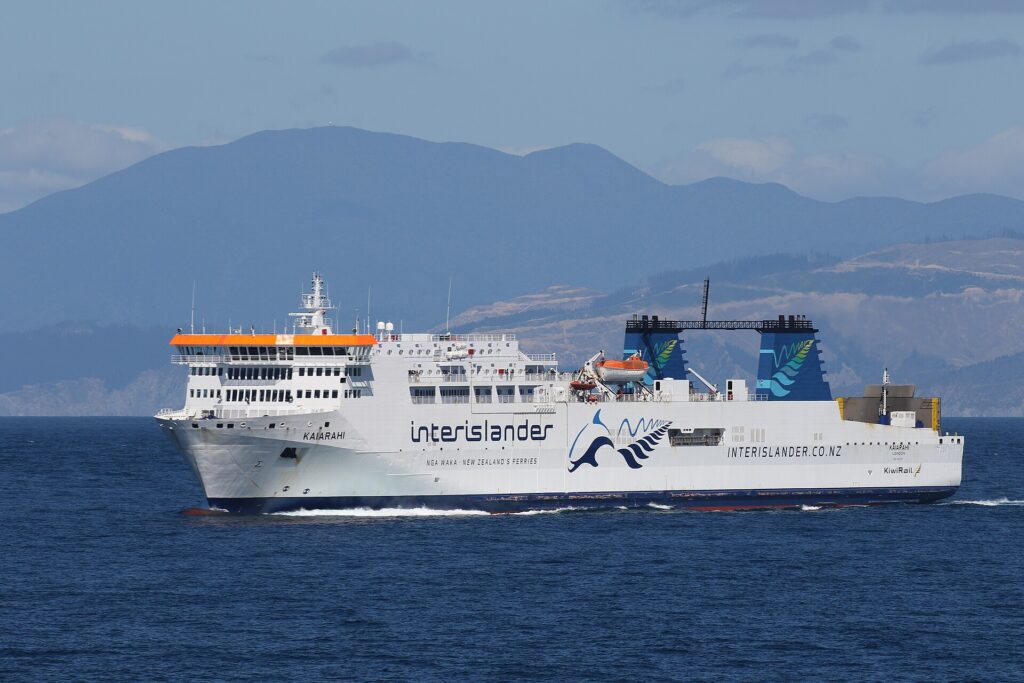
Getting between the North and South Islands means crossing Cook Strait by ferry — a 3.5-hour sailing that passes through the dramatic Marlborough Sounds. The two operators are Interislander and Bluebridge, and booking early (particularly in peak season) can make a significant difference to the price. Fares for a foot passenger booked well in advance can be as low as $49–$59 NZD each way. If you’re bringing a vehicle, book at least 6–8 weeks ahead for the best rates.
The ferry crossing itself is free entertainment — the passage through the Sounds as you approach Picton is gorgeous, especially in clear conditions.
For domestic flights within New Zealand, Jetstar and Air New Zealand compete on price, and deals appear regularly on the Air New Zealand sale page. Sign up for fare alerts and be flexible on timing.
7. Embrace the Kiwi DIY Spirit
New Zealanders have a deeply ingrained culture of self-sufficiency, improvisation, and finding beauty in simple things. This ethos, sometimes called the No. 8 wire mentality (a reference to fencing wire used to fix anything and everything on a farm), pervades the country’s approach to outdoor recreation, food, and community.
Lean into it. Go to the local op shop (opportunity shop, or thrift store) rather than buying new gear. Borrow snorkels from your hostel rather than renting them. Take the unsealed back road instead of the toll road. Talk to locals at the pub or the campsite — they’ll point you to the waterfall that isn’t on any tourist map, the beach where the locals swim, the bakery in the small town that makes the best apple turnover in the country. These encounters, and the discoveries they lead to, are the things you’ll remember longest.
New Zealand rewards curiosity and punishes the itinerary that’s planned too tightly. Leave room for detours. Stop when something catches your eye. Say yes to the unexpected invitation. The best moments here — and in most places — are the ones you didn’t book in advance.
A Realistic Budget
For a self-sufficient traveller camping or freedom camping, cooking most meals, and doing primarily free activities, a daily budget of $80–$120 NZD per person (roughly $45–$70 USD) is achievable and comfortable. This covers your share of campervan hire and fuel, groceries, the occasional DOC site fee, and leaves room for a coffee, a pie, and the odd paid attraction.
For hostel travellers without a vehicle, relying on public transport and eating mostly self-catered, budget closer to $100–$150 NZD per day once transport costs are factored in.
Either way, New Zealand will give you far more than you spend. The country is generous with its beauty — and that, mercifully, is the one thing it gives away for free.
Haere rā, and travel well.