Things to Do in Gisborne New Zealand. Gisborne is the sort of place that rewards travellers who are happy to slow down. Sitting on the east coast in the Tairāwhiti region, the city and its surrounds pack in surf beaches, bush walks, a sacred mountain, a historic wharf and a railway line that crosses an airport runway. It is also where Captain James Cook landed and where the first encounter between Māori and European took place, so the history sits right alongside the scenery as you move around.
The regional tourism site describes Tairāwhiti as a corner of Aotearoa that runs from majestic mountains to pristine Pacific shores, and that range is exactly what makes planning a visit here interesting. You can spend a morning on the sand and an afternoon in native bush without rushing. This guide covers the pick of things to do in Gisborne New Zealand, from the headline stops to the quieter coastal paths, plus a few practical notes to help you fit it all together.
Getting Your Bearings in Tairāwhiti
Gisborne sits at the centre of a region that stretches north towards the East Cape and inland towards bush, rivers and hill country. The town itself is compact and easy to walk, but a good share of the best experiences sit outside the centre, so a vehicle makes a real difference. Coastal roads link the beaches and settlements, while inland routes lead to waterfalls, arboretum paths and the trails around Maunga Hikurangi.
If you only have a day, stay close to town and pick one big out-of-town stop. With two or three days you can link the coast and the country comfortably, and with a week you can slow right down and follow the weather. Check current opening hours, access conditions and any booking requirements with the regional tourism site or the operator before you set out, since these change through the year.
Midway Beach and the Coastal Paths
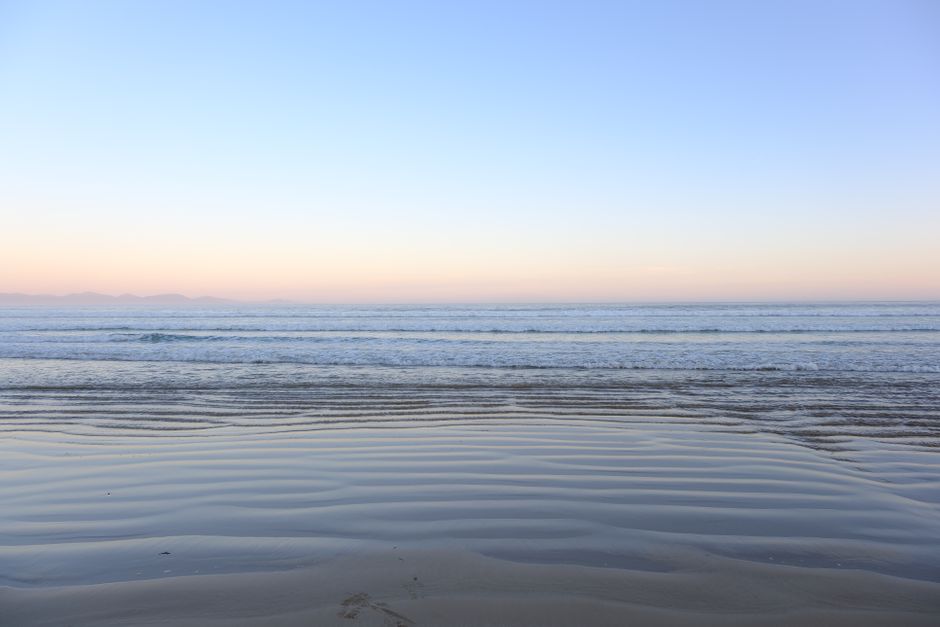
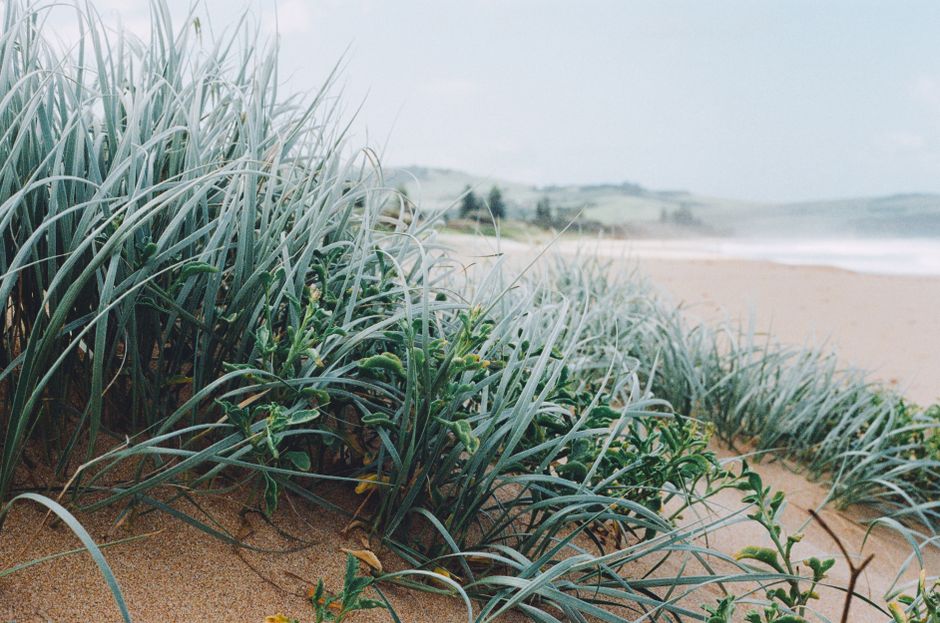
Midway Beach is a good first stop. Think wide sand, clear water, pines casting shade and mountains sitting in the distance, which is a fair summary of the Gisborne coastline on a sunny day. It is the kind of beach where a walk turns into an hour without you noticing, and it works just as well for a quick swim before breakfast as it does for an afternoon sprawl.
Beyond the main beach, locals point to coastal paths with uninterrupted views, quiet reserves where you might not see another person, and riverside walks that feel a long way from town. These are the low-key options that make a stay here feel generous rather than busy. Pack water, wear something you can walk in, and give yourself permission to follow a track just because it looks interesting.
Rere Rockslide and the Inland Waterways
Rere Rockslide sits high on most lists of things to do in the region, and it is listed as a geological formation rather than a built attraction. It is a natural rock chute in the bush that people use as a slide, which explains why it turns up on family itineraries and traveller photos again and again. The surrounding reserve adds picnic space and short walks, so it is easy to make a half day of it.
Conditions matter here more than at a swimming pool. Water levels and flow change with the weather, and the rocks are slippery underfoot, so check the current situation locally before you commit. If you are travelling with young children, watch from the edge and let the confident swimmers in your group make the call. The drive inland is scenic in its own right, with farmland and bush filling the windows.
Tolaga Bay Historic Wharf and the Cooks Cove Walk
The Tolaga Bay Historic Wharf is one of those structures that makes you stop and stare. Walking out along it puts you above the water with a wide view back towards the beach and the hills, and it is a relaxed stop for anyone travelling the coast road north of Gisborne. Pair it with a swim or a picnic and the morning disappears.
The Cooks Cove Walk is the natural companion. The regional tourism site names it alongside Maunga Hikurangi as one of the experiences that lets you have it all, and it suits walkers who want a few hours of coastal scenery with a side of history. Take sun protection, a wind layer and enough water, and check track conditions before heading off.
East Cape Lighthouse and the Coast Road
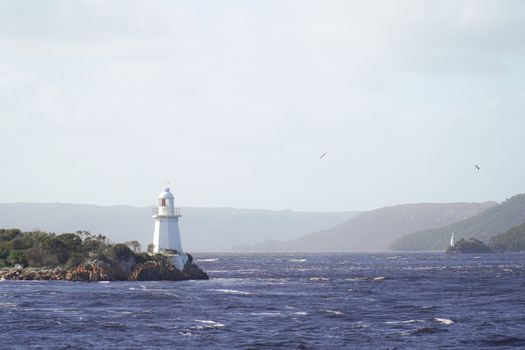
The East Cape Lighthouse anchors the northern end of the region and gives road trippers a proper destination. The drive itself is part of the appeal, with coastal settlements, empty beaches and hills that roll away towards the water. Give yourself more time than the map suggests, because the stops along the way are the point.
This is a good day to start early. Fuel up in town, carry food and water, and keep an eye on the weather, since exposed coastal roads can feel very different in wind and rain. If you are travelling in a campervan, plan your overnight stops in advance rather than relying on finding a spot at the last minute.
Climbing Maunga Hikurangi
Maunga Hikurangi is described as a sacred mountain, and climbing it is one of the region’s standout experiences. The cultural weight of the place is part of the draw, so approach it with respect and use the access arrangements that local operators and iwi have put in place. Bookings and guided options are worth checking well ahead, particularly in the busier summer months.
The reward is the sense of scale you get from higher ground, looking out over the region you have been exploring at sea level. Take a proper jacket, food and water, and ask locally about conditions before you go. If the weather turns, have a backup plan that keeps you closer to town.
Eastwoodhill Arboretum
Eastwoodhill Arboretum offers a complete change of pace. It is a tree collection with paths winding through it, which makes it a fine option for a slow afternoon, a family wander or a break from the beach. The atmosphere shifts with the season, from fresh spring growth to the rich colours of autumn, and quiet corners are never far away.
Bring a camera, wear shoes you do not mind getting a bit damp, and allow more time than you think you need. It also works as a wet-weather plan, since trees provide some shelter and the focus stays on the walking rather than the views.
Tairawhiti Museum and the Region’s Stories
Tairawhiti Museum is one of the region’s most reviewed attractions, and it earns that place by telling local stories rather than importing them. The history here is substantial, covering the arrival of Polynesian voyagers, Cook’s landing and the first encounters between Māori and European, and a museum visit gives that context before you drive out to the coast.
Do it early in your stay if you can. Knowing the background changes how the wharf, the cove and the mountain feel when you get there, and the museum is a sensible stop on a showery day when the beaches lose their appeal.
The Railway That Crosses the Runway
Gisborne has one of those transport quirks that sounds made up until you see it. The rail line crosses the airport runway, and a steam train ride over the tarmac is one of the region’s genuinely unusual experiences. It is the sort of thing that delights children and gives adults a story to take home.
Schedules vary, so check with the regional tourism site or the operator before you build a day around it. If the timing does not work, the airport area and the town’s rail heritage still make an interesting detour for anyone who likes planes and trains in the same frame.
Cycling and Mountain Biking
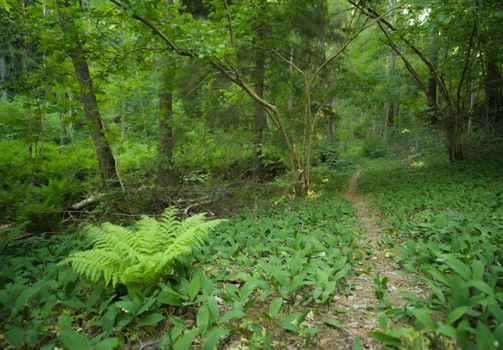
Gisborne offers superb cycling, according to the Explore the East Cape guide, with everything from flat, paved trails to an exhilarating mountain bike park. You can start or finish a ride in Gisborne, or drive out to a trailhead and build the day around two wheels instead of four.
Family groups tend to prefer the easy, flat routes, while experienced riders will find plenty to keep them busy in the bike park. Check bike hire options and trail conditions locally, and remember that coastal wind can make an easy ride feel like hard work in one direction.
Surfing, Fishing and Wild Stingrays
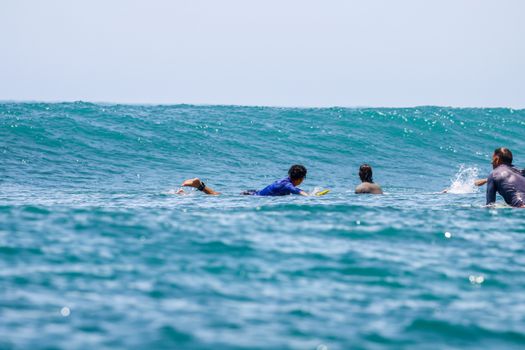
Surfing, walking and hiking, fishing, and nature and wildlife all fit neatly into a Gisborne itinerary. The coast is the centre of that action, with wild surf on the open beaches and calm water in the sheltered spots. Local operators can point you towards conditions that match your experience, whether you are standing up for the first time or chasing a decent swell.
One of the region’s claims to fame is the chance to share the reef with wild stingrays, which is a memorable way to spend a morning on the water. Go with a reputable operator, follow their guidance and give the animals space. Fishing charters run along similar lines, and a fresh catch makes an excellent dinner.
Kai Moana, Local Wine and Slow Evenings
Fresh kai moana is a big part of eating well here, and the regional tourism site pairs seafood with a side of local wine when it sums up the food side of a visit. Ask locally about cellar doors and tasting options, and check opening hours before you drive out, since small producers often run limited days.
The evening rhythm suits the town’s personality. Find a spot with a view, order something local and watch the light change over the hills. It is not a place that demands a packed schedule, and the best evenings often come from doing very little.
Free Family Friendly Things to Do in Gisborne New Zealand
The regional tourism site lists ten free family friendly activities in Tairāwhiti, which is a helpful reminder that a good day out here does not need a big budget. Building a trip around these keeps costs down and often leads to the spots locals actually use. Check the current list before you travel, as details and conditions can change.
-
Spend a morning at Midway Beach and the nearby coastal paths, where the sand, pines and sea views cost nothing.
-
Walk the Tolaga Bay Historic Wharf and explore the surrounding beach and reserve.
-
Pack a picnic for Rere Rockslide and make a day of the reserve and short walks.
-
Take the family to the arboretum for a slow wander among the trees.
-
Pick a quiet reserve or riverside walk and let the children run.
A Quick Pick List
Stop | Why it stands out | Suits |
|---|---|---|
Rere Rockslide | Natural rock formation used as a slide, set in bush | Families with older children, thrill seekers |
Midway Beach | Sand, pines and sea views close to town | Swimmers, walkers, early risers |
Tolaga Bay Historic Wharf | Historic structure that takes you out over the water | Photographers, easy strolls |
Cooks Cove Walk | Coastal walk with a strong history connection | Walkers with a few hours to spare |
East Cape Lighthouse | A landmark destination at the end of a scenic drive | Road trippers, slow travellers |
Maunga Hikurangi | Sacred mountain with climbing options | Hikers who book ahead |
Eastwoodhill Arboretum | Tree collection with quiet paths | Rainy days, gentle afternoons |
Tairawhiti Museum | Local history and the story of first encounters | Culture lovers, wet weather |
Mahia Peninsula and Other Day Trips
Mahia Peninsula appears among the region’s top attractions, and it makes a satisfying day out for anyone with time to spare. The wider region also includes Station Life in Rural New Zealand, which gives a look at farming life for travellers curious about how the land is worked. Both are best checked in advance for current visiting arrangements.
Build day trips around the weather rather than fighting it. If the coast is blowing a gale, head inland to the trees or the museum. If the sun is out, point the car at the water and stay there until the light goes golden.
When to Go and How to Plan
Summer is the classic window. The regional tourism site calls it the perfect time to explore the region, and the beaches, walks and rock slide all make more sense in warm weather. The trade is busier roads and fuller accommodation, so book ahead if you are travelling in peak season or over long weekends.
Outside summer you get quieter tracks, cooler mornings and a different kind of coast. Layering matters, and so does flexibility, since coastal weather can shift quickly. However long you stay, keep one day unplanned. Gisborne works best when you leave room for a detour, a longer swim or a second coffee by the water.
Frequently Asked Questions
What are the must do things in Gisborne?
Rere Rockslide, Tolaga Bay Historic Wharf, the Cooks Cove Walk, East Cape Lighthouse and Tairawhiti Museum cover the classics, while Maunga Hikurangi and Eastwoodhill Arboretum suit anyone heading inland. Midway Beach and the coastal paths fill the gaps between them. Give yourself at least two days to fit the coast and the country stops together without rushing.
Do you need a car in Gisborne?
A car makes the region much easier. The town beaches and museum are simple to reach, but Rere Rockslide, Tolaga Bay, Eastwoodhill Arboretum and the East Cape road all sit outside the city. Having your own vehicle lets you link stops in one day and pull over whenever the view grabs you. A campervan works well if you check overnight rules first.
How many days should you spend in Gisborne?
Two or three days is enough for the town, the beaches and a trip out to Rere Rockslide or Tolaga Bay. Add another day if you want to climb Maunga Hikurangi, walk the Cooks Cove track or drive out to East Cape Lighthouse. Travellers who surf, fish or cycle often stretch the stay to a week.
When is the best time to visit Gisborne?
Summer is the classic window, with the regional tourism site naming it as the perfect time to explore, and the beaches and rock slide are at their most appealing in warm weather. Outside summer you get quieter tracks and cooler mornings, which suits walking and cycling. Always check conditions before a coastal walk or a rockslide visit.