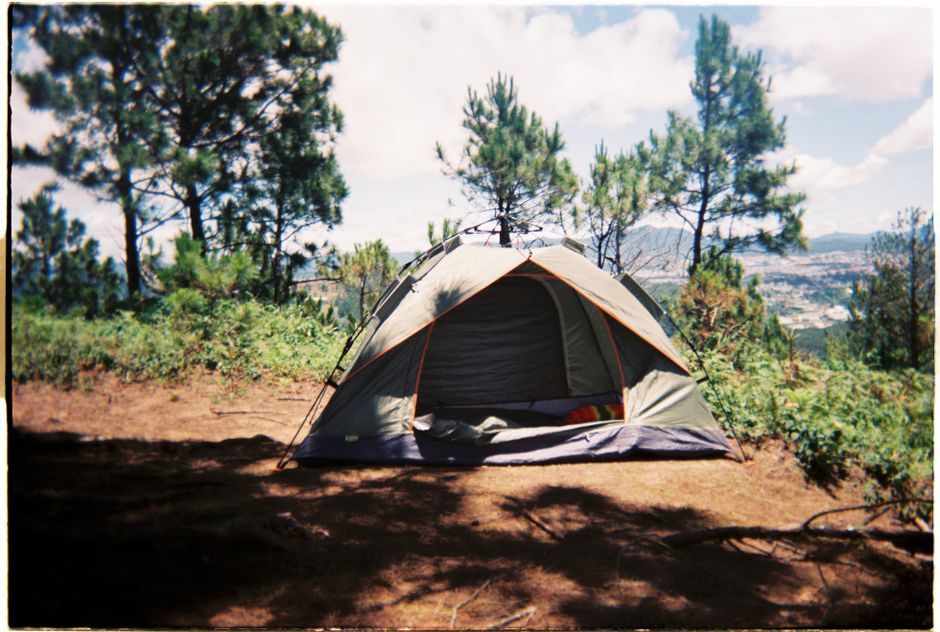
The first city in the world to see the sunrise is also one of the easier places in New Zealand to find somewhere to sleep. Camping in Gisborne covers a lot of ground, from holiday parks a short walk from the city centre to freedom camping sites where the beach is right on the doorstep. What changes through the year is which option is open to you, because the district runs on two different camping seasons and one of them needs a permit.
This guide pulls together what the Gisborne District Council, the Tairāwhiti tourism site and local campgrounds say about where you can stay, when you can stay there, and what to sort before you arrive.
Why Gisborne Works Well for Campers
Gisborne is known as the first city in the world to see the sunrise, and its reputation rests on golden beaches and a relaxed pace. For campers that matters in practical ways. The city is compact enough that a holiday park on the waterfront sits just a ten-minute walk from the centre, so you can leave the vehicle parked and walk in for coffee or supplies.
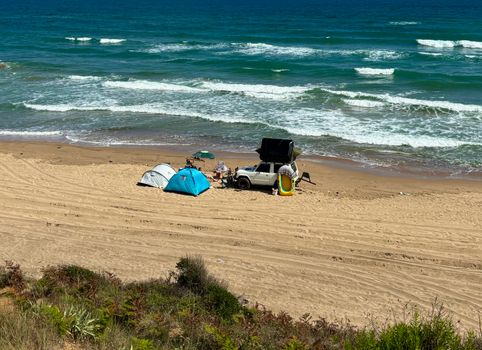
Beyond town, the Tairāwhiti coast is lined with spots where freedom camping sites have world-class views or beaches right on the doorstep. That mix of easy town access and genuine coastal camping is why the district appeals to campervan travellers, families and anyone stringing together a budget North Island road trip.
Freedom Camping in Gisborne and Tairāwhiti
Freedom camping in the district is not a free-for-all, and you cannot park up or pitch a tent anywhere you fancy. Instead there is a list of sites where freedom camping is allowed, and each one comes with conditions. Many have world-class views or beaches right on the doorstep, and you can stay there for up to three nights.
The seasons are the part that catches people out. The rules work like this:
-
In the Gisborne urban area and surrounds, freedom camping is permitted between 1 May and Labour Weekend only. The Gisborne Showgrounds Park is one of the sites in this group, and the maximum stay is three nights.
-
Over summer, camping at designated seasonal sites in the Gisborne district runs from Labour Weekend to 30 April, and you need a permit. These restricted seasonal camping areas are set in the Freedom Camping Bylaw.
-
Camping at Pouawa Beach runs from 23 October to 30 April. You must have a permit before you set up camp, and there is no charge for the permit. You apply online.
If you check the council’s summer camping page outside the season and find it closed, that is expected. Camping at the seasonal areas reopens at Labour Weekend.
Option | Where | Key detail |
|---|---|---|
Freedom camping, urban | Gisborne urban area and surrounds, including Gisborne Showgrounds Park | Permitted 1 May to Labour Weekend, maximum three nights |
Seasonal summer camping | Designated sites in the Gisborne district | Labour Weekend to 30 April, permit required |
Pouawa Beach | Pouawa Beach | 23 October to 30 April, free permit required before setting up camp |
Holiday Parks and Camping Grounds Around Gisborne
If you would rather have a powered site, a hot shower and a kitchen, the district has camping grounds and holiday parks that take the guesswork out of where you will sleep. They range from cabins to campervan sites, and several sit close to town.
Waikanae Beach TOP 10 Holiday Park
Situated on one of Gisborne’s best beaches and just a ten-minute walk from the city centre, Waikanae Beach TOP 10 Holiday Park is hard to beat on location. It sits within the TOP 10 network, which lists Gisborne camping grounds with options from cabins to campervan sites. For a first trip to the district, it is the straightforward choice if you want the beach outside your door and the city within walking distance.
Gisborne Showgrounds
The Gisborne Showgrounds is a versatile venue offering far more than the annual A&P Show. Set across 40 hectares in Makaraka, the grounds are home to the Farmers Air Event Centre, camping facilities, weddings, equestrian events and many community functions. The showgrounds also provides a peaceful motor camp close to town, with camping facilities just minutes from central Gisborne. It is popular with travellers, event-goers and families, and the grounds are peaceful and spacious rather than tightly packed.
Tatapouri Bay
Tatapouri Bay offers oceanside accommodation on the Tairāwhiti coast, with a choice of campsites, glamping tents and cabins. It suits campers who want the coast without committing to a full self-contained setup, and the mix of options works well for groups where some people want a tent and others would prefer a bed.
Powered Sites, Cabins and What to Expect
Camping grounds in Gisborne cover the full spread. Some have spacious sites with electricity and power hookups, while others focus on tent sites, cabins or glamping. A few things are worth deciding before you travel:
-
Work out whether you want power. If you are running a fridge, charging camera batteries or travelling with children, a powered site at a holiday park removes a lot of daily admin.
-
Check whether your chosen site is open in the season you are travelling, because freedom camping in the urban area and the seasonal permit sites run at opposite ends of the year.
-
Apply for any permit online before you set up camp. Pouawa Beach requires one, and it costs nothing.
-
Book ahead around events. The showgrounds and town campgrounds are popular with event-goers as well as travellers, so dates can fill up.
Which Season Suits Your Gisborne Camping Trip?
The district effectively has two camping seasons, and the one you pick shapes the trip.
From Labour Weekend to 30 April, the designated seasonal sites open with a permit, and Pouawa Beach is available from 23 October. This is the stretch when camping on the coast is at its most appealing, and it is also when holiday parks hit their busiest period.
From 1 May to Labour Weekend, the freedom camping window shifts to the Gisborne urban area and surrounds, including the showgrounds, with a three-night maximum.
That split means you rarely have access to everything at once. If your heart is set on a particular beach site, check the dates against your travel plans before you book anything else. If you are travelling in the cooler months and want a base close to town, the urban freedom camping sites are the ones to look at.
What to Sort Before You Leave
Two jobs come before everything else. First, work out which side of the season your travel dates fall on, because that decides whether you are choosing a permit site or an urban freedom camping spot. Second, settle on the style of camping. A powered site at a holiday park, an oceanside campground with cabins, or a self-contained stay at a freedom camping site each ask different things of you.
From there the checklist is short. Apply for any permit online. Note the maximum stay of three nights at freedom camping sites. Book your holiday park or campsite if you are travelling over the busy summer period or around a local event. Then confirm the details directly with the Gisborne District Council and the campground, since the council sets the rules for freedom camping and the seasonal areas.

Practical Tips for Camping in Gisborne
A few habits make camping in the district easier.
-
Confirm the current rules with the Gisborne District Council before you travel. Site lists, permit requirements and seasonal dates are set by the council and can change between seasons.
-
Apply for permits early rather than on arrival. The rule at Pouawa Beach is clear: you must have a permit before you set up camp.
-
Keep within the three-night maximum at freedom camping sites, and move on rather than overstaying.
-
Leave each site as you found it and take your rubbish with you. Freedom camping only keeps working while campers respect the places they stay.
-
Have a backup plan. If a site is full or closed for the season, a holiday park or the showgrounds motor camp gives you a fallback near town.
-
Pack for coastal conditions. Beachside sites are exposed, so decent pegs and a rain layer earn their place in the boot.
Frequently Asked Questions
Do I need a permit to camp at Pouawa Beach?
Yes. Camping at Pouawa Beach runs from 23 October to 30 April, and you must have a permit before you set up camp. There is no charge for the permit, and you apply online. Sort it before you arrive rather than turning up and hoping, because the requirement is to have it in hand first.
How long can I stay at a freedom camping site in Gisborne?
The maximum stay is three nights at freedom camping sites in the district. That applies to the urban sites too, including the Gisborne Showgrounds Park. If you want to stay longer, plan a move to another site, or book into a holiday park or campground for a few nights.
Can I freedom camp in Gisborne over summer?
In the Gisborne urban area and surrounds, freedom camping is permitted between 1 May and Labour Weekend only. Over the summer months, camping switches to designated seasonal sites running from Labour Weekend to 30 April, and those require a permit. Check the council’s summer camping information before you plan a summer trip.
Is there a campground within walking distance of Gisborne city centre?
Yes. Waikanae Beach TOP 10 Holiday Park sits on one of Gisborne’s best beaches and is a ten-minute walk from the city centre. The Gisborne Showgrounds also runs a peaceful motor camp close to town, just minutes from central Gisborne. Both give you a base where you can leave the vehicle parked.
What types of accommodation are available at Tatapouri Bay?
Tatapouri Bay offers oceanside accommodation on the Tairāwhiti coast, with campsites, glamping tents and cabins to choose from. That range makes it a flexible option for groups with mixed preferences, and it is a good fit if you want coastal camping without a fully self-contained setup.