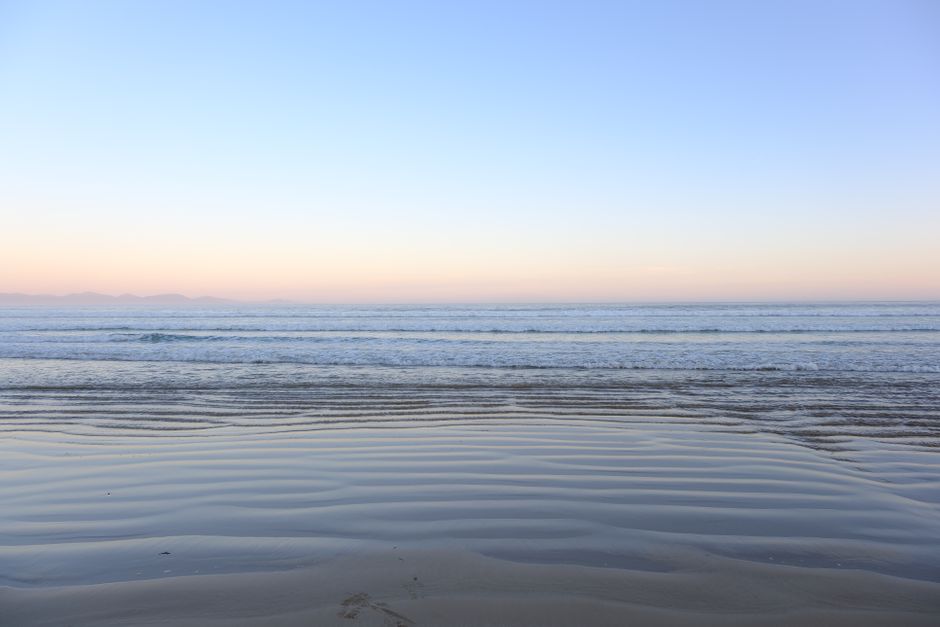
Gisborne Beaches in New Zealand. Gisborne sits on a curve of coastline that looks straight into the morning sun, and the region around it, Tairāwhiti, is famous for beaches that catch some of the first light anywhere in the world. That shapes the rhythm of a day here. People are on the sand early, the water is clean, and the coastline keeps going long after the city limits run out.
The beaches near Gisborne range from easy town spots with parking, picnic tables and walking tracks to surf breaks that draw riders from overseas, plus quiet bays an hour or so up State Highway 35 where you might have the whole place to yourself. This guide runs through the ones worth planning a day around, and what each is actually good for.
Why Gisborne Beaches in New Zealand Stand Out
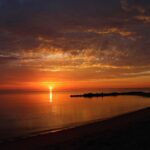
Two things set this stretch of coast apart. The first is the light. Because the coastline faces east, the beaches north of the city, particularly Turihaua and Pouawa, are known as some of the best places in the world to watch the sunrise. The second is the surf. Tairāwhiti Gisborne attracts surfers from around the world, who come for the variety of breaks, consistent swells and uncrowded waters.
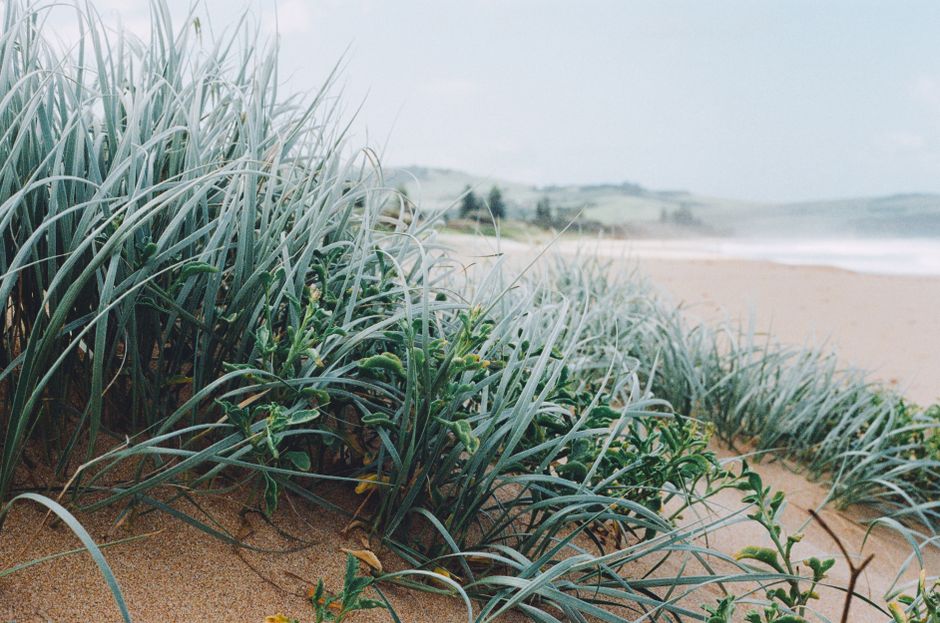
Between those two extremes you get everything else: safe family swimming, rock pools, marine reserves, fishing spots, campgrounds and long empty sand that takes a decent walk to cross. It is a coastline that rewards a slow approach rather than a rushed checklist.
The Main Gisborne Beaches at a Glance
If you are short on time, this table gives you the quick version of what each beach is known for and who it suits best.
Beach | Known for | Best for |
|---|---|---|
Waikanae Beach | Accessible city beach and surf | Easy swims close to town |
Midway Beach | Accessible swimming and the Midway Pipe break | Families and surf watching |
Wainui Beach | Surf, reserves and walking tracks | Surfers and longer beach days |
Makorori Beach | Surf and stingray encounters | Surfing and wildlife |
Tatapouri Beach | Dive Tatapouri and the stingrays | Guided marine experiences |
Sponge Bay and The Island | Rocky shoreline and a surf break | Exploring and short surfs |
Pouawa and Turihaua | Sunrise, swimming, fishing, camping | Quiet days and early mornings |
Anaura Bay and Tokomaru Bay | Coastal escapes further north | Day trips up the coast |
Waikanae and Midway: The Easy City Beaches
Waikanae Beach and Midway Beach are the two most straightforward options if you are based in Gisborne itself and want a swim without a long drive. Both are among the region’s more accessible swimming beaches, and both also work as surf spots when the swell is right. Midway is home to the break known as the Midway Pipe, which is one of the better known waves in the area.
These beaches suit families, casual swimmers and anyone who wants to combine a walk with a swim. Waikanae Beach is one of the popular beaches regularly named alongside Wainui, Midway and Makorori, and its position near town makes it the obvious first stop on a short visit. Expect company on warm days and a relaxed, local feel.
Wainui Beach: The Surf Beach
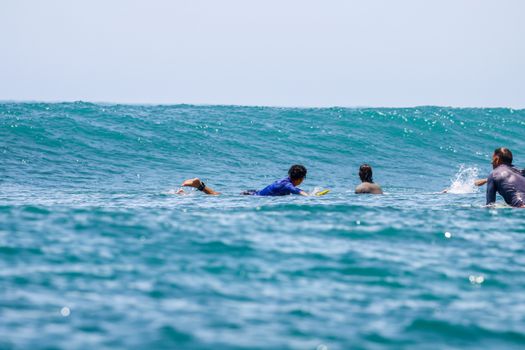
Wainui Beach is one of the beaches Gisborne is best known for, and it appears on nearly every list of the region’s top surf spots. It is also far more than a single break. The Wainui Beach Reserve provides car parking, picnic spots, viewpoints walking tracks, and access for swimming, sunbathing, surfing, horse riding and jogging.
That mix makes Wainui a good half day rather than a quick stop. Bring a picnic, walk a section of the reserve, and watch the surfers work the sets. If you are travelling with children who are confident in the water, it can work as a swimming beach too, though the surf is the main event here rather than calm, flat water.
Makorori and Tatapouri: Stingrays and Longboards
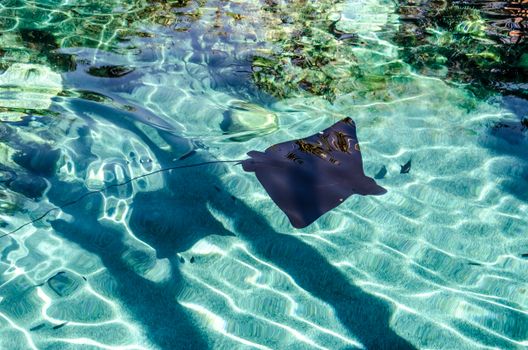
Head north out of the city and Makorori Beach is one of the first stops that feels properly away from town. It is a well known surf beach, and it is also where you can enjoy the unusual experience of stroking friendly stingrays swimming in their natural environment. That combination of a good wave and a marine encounter is rare, and it is a big part of why Makorori keeps showing up on lists of the best beaches in the region.
Tatapouri Beach, a little further on, is home to Dive Tatapouri and the stingrays, one of the standout experiences on this coast. If interacting with stingrays in shallow water appeals, this is the place to build a booking around. Even if you skip the guided experience, the beach itself is worth a look on the way up the coast.
Sponge Bay and The Island
Sponge Bay sits on the southern side of the city and is one of the beaches named among the best in Gisborne. The surf spot known as The Island, at Sponge Bay, is listed among the region’s top breaks, which gives you a sense of the variety packed into a short stretch of shoreline.
This is a good area for a wander at low tide, when the rocky edges and pools open up. It is less about a long lazy swim and more about exploring, watching the water and seeing a different, craggier side of the coast than the long sand at Wainui or Waikanae.
Te Tapuwae o Rongokako Marine Reserve
Te Tapuwae o Rongokako Marine Reserve is one of the most striking spots on this coastline, and visitors regularly describe the beach there as among the most beautiful around Gisborne. Marine reserves protect the underwater life, which means the rock pools and shallows are richer than at unprotected stretches of coast.
Treat it with the respect a reserve deserves. Take only photos, leave shells and marine life where they are, and keep your distance from wildlife. The reward is a beach that feels untouched and a shoreline that keeps giving you something new to look at.
North of the City: Pouawa, Turihaua and the Sunrise Coast
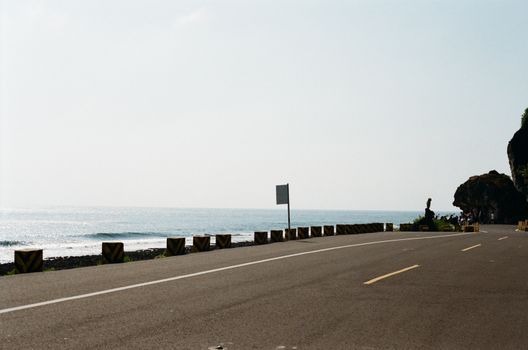
About a 30 minute drive from central Gisborne, heading north along State Highway 35, you reach Turihaua and Pouawa beaches. The official regional tourism line is that these are enchanting coastal areas, and that they are perfect spots to catch that first in the world sunrise. Both are idyllic for swimming, fishing and camping, and both are easy to access.
If you want the classic Tairāwhiti morning, this is where you go. Pack a thermos, get there before dawn, and watch the light come up over the Pacific with barely anyone else around. Because camping is possible here, you can also turn a sunrise into an overnight stay and do it twice.
Further Up State Highway 35: Cooks Cove, Anaura Bay and Tokomaru Bay
Keep driving north and the coastline opens into a string of beaches that are quieter again. Cooks Cove, also known as Ōpoutama, along with Anaura Bay and Tokomaru Bay, are all named among the best beaches in Tairāwhiti Gisborne. They sit further from the city, so they suit a dedicated day trip or an overnight stop rather than a quick dip on the way to somewhere else.
This stretch is where the region’s remoteness really shows. Fewer people, longer views, and small settlements rather than city streets. Fuel up and stock up before you leave Gisborne, since services thin out as you head north.
Surfing in Tairāwhiti Gisborne
Gisborne is genuinely a surf destination rather than a place with a couple of lucky breaks. The waves that come up again and again in local guides include Wainui Beach, Makorori Beach, Midway Pipe and The Island at Sponge Bay. There is also Waikanae Beach, named alongside Wainui and Makorori as one of the region’s best surf beaches.
What makes it work is the combination of variety, consistent swell and space. Even when the main breaks are busy by New Zealand standards, there is usually somewhere else to paddle out. If you are new to the area, local surf shops and the wider surf community are the quickest way to work out which break suits your level on the day.
Practical Tips for a Day at the Beach
A few habits make a beach day on this coast much better.
-
Check a tide chart before you go. The beaches of Gisborne are often mapped alongside tide information for good reason, and low tide opens up rock pools and wider sand at places like Sponge Bay.
-
Ask locally about conditions. Swells and currents change, and the safest swimming spots are not always the most famous ones.
-
Take sunscreen, water and shade. There is not much cover on long open sand, and the east coast sun is strong.
-
Plan around the light. Sunrise is the signature experience here, and the northern beaches are the ones to aim for.
-
Carry cash or a card for the small settlements, and fill the tank in Gisborne before heading up State Highway 35.
-
Respect marine reserves and wildlife. Stingray encounters should be done with a licensed operator rather than by chasing animals yourself.
When to Go and How Long to Allow
Summer is the obvious time for swimming, but the beaches here work year round for walking, surfing and sunrise watching. A short visit can cover Waikanae, Midway and Wainui in a single day without much driving. Makorori and Tatapouri fit neatly onto the same run north.
Give yourself a full day, ideally two, if you want to reach Pouawa, Turihaua and the beaches beyond. Distances on this coast look modest on a map, but the road winds and the scenery slows you down in the best way. Build in slack time, and do not try to cram the whole coastline into one afternoon.
Frequently Asked Questions
Which Gisborne beach is best for swimming?
Waikanae Beach and Midway Beach are the most accessible swimming beaches close to the city, and both are regularly named among Gisborne’s popular spots. Further north, Pouawa and Turihaua are also described as idyllic for swimming, fishing and camping. Conditions change with the swell and tide, so check locally before you get in.
Can you swim at Gisborne beaches?
Yes. Several Gisborne beaches are used for swimming, including Waikanae, Midway, Wainui and the northern beaches around Pouawa and Turihaua. Some spots, such as Wainui and Makorori, are better known for surf than for calm water. Always assess the conditions on the day and ask locals if you are unsure.
What are the best surf spots in Gisborne?
The breaks most often named in Gisborne are Wainui Beach, Makorori Beach, Midway Pipe and The Island at Sponge Bay. Waikanae Beach is also listed among the region’s best surf beaches. Tairāwhiti Gisborne draws surfers from around the world thanks to its variety of breaks, consistent swells and uncrowded waters.
How far north of Gisborne are Pouawa and Turihaua?
Pouawa and Turihaua are about a 30 minute drive from central Gisborne, heading north along State Highway 35. Both beaches are easy to access and are known as some of the best places in the world to catch a first light sunrise. They also work well as swimming, fishing and camping spots.
Where can you see stingrays near Gisborne?
Stingray encounters happen around Makorori Beach and Tatapouri Beach, north of the city. Tatapouri is home to Dive Tatapouri and the stingrays, and Makorori is known for the experience of stroking friendly stingrays in their natural environment. Book through the operator rather than approaching the animals on your own.
Gisborne’s beaches ask for a little patience and a reasonably early start, and they give back a coastline that feels far less crowded than its reputation for good surf and good light would suggest. Pick two or three, give them proper time, and let the tides and the sunrise set the schedule.