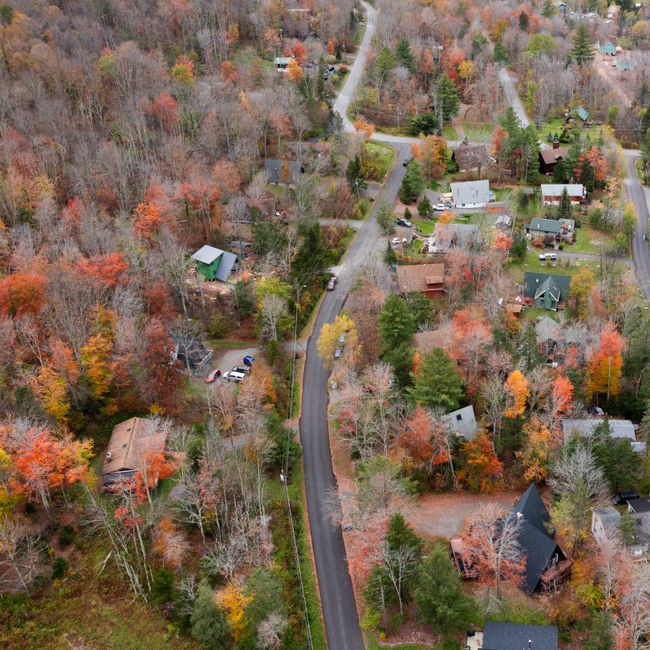
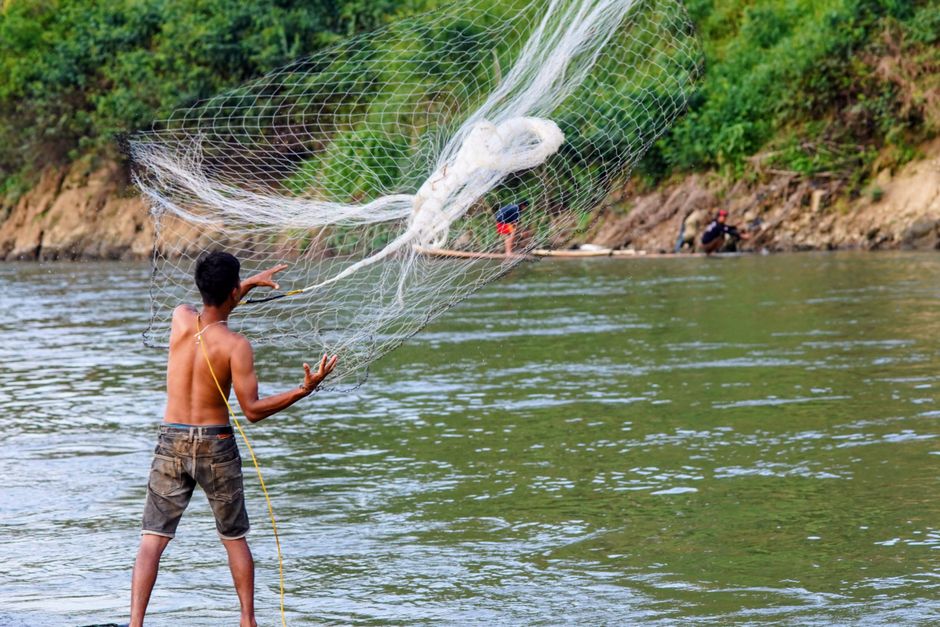
Whanganui sits at the mouth of the river that gives the region its name, and the district around it spills out into beaches, backcountry and quiet lakes. For travelling hunters and anglers, that mix is the whole appeal. You can spend the morning sorting gear at a locally owned store in Gonville and the afternoon standing waist deep in a river. Very few New Zealand towns offer that kind of turnaround.
This guide covers the practical side of it: where the Whanganui Hunting & Fishing store is, what it stocks, when it opens, and how hunting and fishing actually fit into a Whanganui itinerary. Phones and details change, so treat everything here as a starting point and confirm the fine print with the store or the regional authorities before you commit.
What Makes Whanganui Worth Packing the Rod For
Discover Whanganui, the region’s official discovery guide, lists hunting and fishing alongside the district’s other outdoor draws, and names the beaches, rivers and lakes as the places people use. The same guide points travellers towards hunting lodges for accommodation and towards guides and charters for anyone who would rather book somebody who already knows the water.
That structure works nicely for visitors. If you are travelling with your own gear and your own plans, you have room to move. If you have flown in with nothing but a suitcase, you can lean on a guide or a charter and skip the logistics of carting rods and rifles around the country. Either way, Whanganui rewards people who plan around the water rather than around a fixed list of attractions.
The region’s reputation is also tied to the river itself. The Whanganui River is the spine of the district, and it does a lot of the heavy lifting when it comes to freshwater fishing.
The Local Store: Whanganui Hunting & Fishing
The district’s outdoor retail hub is an independent, locally owned store at 64 Carlton Avenue in Gonville. You will see it written both ways depending on where you look, so if you have been searching for a Wanganui hunting and fishing shop, it is the same place. The team covers hunting, fishing, diving, camping, tramping, clothing and hockey gear, which means one stop can sort out a weekend trip and a school sports season in the same visit.
Detail | Information |
|---|---|
Address | 64 Carlton Avenue, Gonville, Whanganui 4500 |
Phone | 06 348 0400 |
Wanganui.Store@huntingandfishing.co.nz | |
Monday to Friday | 8:30am to 5:30pm |
Saturday | 8:30am to 4:00pm |
Sunday | 9:00am to 4:00pm |
One small thing to watch: the store’s social media page has listed weekend hours as 9am to 4pm on both Saturday and Sunday, while the national store locator splits Saturday and Sunday slightly differently. If you are making a special trip into town for something specific, a quick phone call before you drive over saves a wasted morning.
At least one store listing notes that a Farm Source Rewards card can be used to pay for purchases, which is a handy detail if you are travelling through on the way to or from a rural stay. The store also appears in the national store locator alongside gift card and help pages, so vouchers are an option if you are buying for somebody else.
Shopping Online Before You Fly
Hunting & Fishing New Zealand runs an online store that is open around the clock, which matters if you are ordering from overseas or from another part of the country before a trip. The chain describes itself as 100 percent locally owned and operated, with 40 stores nationwide and what it calls New Zealand’s largest outdoor range. Whether you buy in Gonville or order ahead, the range is deep enough that you can usually fill gaps rather than rebuild a kit from scratch.
For visitors, the sensible approach is to buy the bulky or awkward items locally and fly with the rest. Tents, chilly bins, large packs and waders are miserable to check in, and picking them up in Whanganui means you are not hauling them through three airports first.
Hunting Around Whanganui
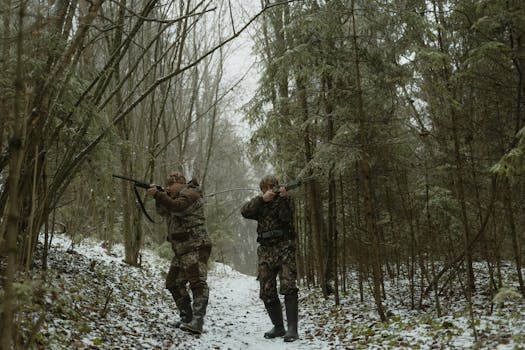
The Discover Whanganui guide keeps its hunting advice simple and practical: hunt in the district’s outdoors, and if you want a bed and a base, look at a hunting lodge, or book a guide who knows the ground. For anyone new to the area, that is genuinely the fastest route in. Local knowledge about access, animal numbers and where the country gets steep is worth far more than a pin dropped on a map.
Access is the part that catches people out. Land in the Whanganui district is a patchwork of private holdings, reserves and other tenures, and the rules differ depending on which one you are standing on. Before you plan a hunt, confirm who manages the land you have in mind and what permissions or permits apply. Ask the store staff too. A locally owned outdoor shop is often the best informal source of who to talk to in a given valley.
If you are travelling with firearms, sort out your paperwork well before you book flights. New Zealand has specific requirements for visitors bringing firearms into the country, and the details are handled by the relevant authorities rather than by retailers. Check the official channels, then come back to your gear list.
Fishing the River, the Coast and the Lakes
Freshwater fishing in the Whanganui area is covered by the regional fisheries information published by Fish & Game, which maintains a dedicated Whanganui fisheries page. That page is the place to look for current regional detail, and it is also where you will find pointers to the rules and licence requirements that apply to freshwater fishing in New Zealand. Rules and conditions change, so read the current version rather than relying on a blog post from three summers ago.
Whitebait and Trout Runs on the Whanganui River
The Whanganui River attracts a significant whitebait run over spring. That is the headline event for a lot of people who fish the river, and it draws attention to the lower reaches in particular. The same regional fisheries information notes that each season, several large sea or estuarine run brown trout turn up as well. If you are planning around either of those, spring is the window worth circling on the calendar, and the fish themselves do not run to a fixed timetable.
Beyond the river, Discover Whanganui points to the district’s beaches and lakes as fishing settings. Coastal fishing and lake fishing ask different things of you: different gear, different tides or conditions, and different expectations about what is on the end of the line. A charter is an efficient shortcut if you want to fish the salt without learning a new coastline from scratch, and the district guide lists charters as an option for visitors.
Getting Your Gear There Without the Headache
Whanganui is a driveable destination for most North Island travellers, which changes the packing maths completely. If you are coming by car or campervan, you can bring the full kit: rods, waders, boots, packs, the lot. If you are flying in, work backwards from what you can realistically carry and plan to top up in Gonville.
A few habits make outdoor travel easier regardless of how you arrive:
-
Keep wet gear separate from everything else, because waders and boots never dry as fast as you think they will.
-
Pack layers rather than one heavy jacket, since Whanganui weather shifts through the day.
-
Bring or buy a decent head torch, because early starts and late finishes are the norm for both hunting and fishing.
-
Check your airline’s rules on anything with a blade or a gas canister, and leave those purchases until you land.
-
Screenshot your booking details for lodges, guides and charters, since coverage in the backcountry is patchy.

Check Conditions and Rules Before You Go
Fishing conditions, licence requirements and hunting access rules all sit with official bodies rather than with retailers, so build a short verification checklist into your planning. Start with the Fish & Game regional fisheries information for Whanganui, which covers freshwater fishing in the area. Use the Discover Whanganui guide for the wider picture on lodges, guides and charters. Then ring the store on 06 348 0400 if you want a straight answer on what is in stock and what is happening locally.
Do that before you lock in accommodation, not after. A quick check on conditions, rules and opening hours at the start of planning is the difference between a smooth trip and a morning spent driving around Gonville looking for a shop that shut two hours ago.
Frequently Asked Questions
Where is the Whanganui Hunting & Fishing store?
It is at 64 Carlton Avenue in Gonville, Whanganui 4500. You can reach the team on 06 348 0400 or by email at Wanganui.Store@huntingandfishing.co.nz. The store is listed under both Whanganui and Wanganui depending on the source, so if you are searching for a Wanganui outdoor shop, it is the same independently owned store.
What are the store’s opening hours?
The national store locator lists 8:30am to 5:30pm Monday to Friday, 8:30am to 4:00pm on Saturday and 9:00am to 4:00pm on Sunday. The store’s social media page has advertised weekend hours of 9am to 4pm on both days, so ring ahead on a weekend if you are making a special trip into town.
Is Hunting & Fishing New Zealand locally owned?
The chain describes itself as 100 percent locally owned and operated, and the Whanganui store is listed as an independent, locally owned shop. It is part of a network of 40 stores nationwide, and the chain operates an online store that is open 24 hours a day for orders placed ahead of a trip.
What can you catch near Whanganui?
The Whanganui River attracts a significant whitebait run over spring, and the regional fisheries information notes that several large sea or estuarine run brown trout show up each season. Discover Whanganui also points to the district’s beaches, rivers and lakes as fishing settings, with charters available for visitors who want to fish the coast.
Do you need a guide to hunt or fish in Whanganui?
No, but the district guide recommends lodges, guides and charters as straightforward options, especially for first-time visitors. Access rules vary across private land, reserves and other tenures, so confirm who manages the land you plan to use and what permissions apply. Guides also cut the learning curve on unfamiliar water and country.