Whangamata New Zealand. Whangamatā has a way of staying in your memory. Perched on the southeast coast of the Coromandel Peninsula in the North Island of New Zealand, this welcoming surf town is set against a backdrop of native forest park and fronted by one of the best beaches in the country. Each summer, tens of thousands of holidaymakers arrive to swim, surf and soak up the relaxed coastal atmosphere. A day trip, a long weekend or the full school holidays all work well here, and the town greets visitors with a warm Nau mai haere mai.
For families, surfers and anyone who loves the outdoors, this small town punches well above its weight. The combination of beach, rainforest and surf is rare, and the town centre adds a lively, modern edge with great food and shopping. For anyone planning a North Island holiday, Whangamatā deserves a place on the itinerary.
Where Is Whangamatā?
Whangamatā sits on the southeast coast of the Coromandel Peninsula in the Waikato region of the North Island. It is located 30 kilometres north of Waihi, placing it within easy reach of other Coromandel towns and attractions. The town is roughly 45 miles from Auckland, which makes it a realistic option for a weekend escape from New Zealand’s largest city.
Despite its popularity, Whangamatā remains a small coastal town with a population slightly below 4,000 people. That intimate scale is part of the charm. Once the summer crowds arrive, the town feels alive and busy, but the residential streets and local community keep a relaxed, unhurried character. The surrounding hills and native forest park wrap around the town, giving it a sheltered, scenic setting that is hard to beat.
What Makes Whangamatā Famous?
Whangamatā is famous for its unique combination of beach, rainforest and surf. It is an unusual mix. Plenty of New Zealand towns have a beach, and plenty have bush walks nearby, but very few can offer a world-class surf beach alongside native forest and a vibrant town centre in such a compact area.
The reputation of the beach itself is the biggest drawcard. Kiwis say it is simply one of the best beaches in New Zealand, and it regularly appears in Top 10 lists of beaches voted in summer. Visitor reviews describe it as a real New Zealand summer beach, with a long sandy stretch, great waves and lots of public facilities. The water sits at about 20 degrees during the warmer months, which makes swimming comfortable without being too cold.
The town also benefits from the wider Coromandel setting. Visitors can enjoy the ocean beaches and saltwater estuaries, and the region is known as an aquatic playground. From catching a wave to catching a fish, there is always something to do in and around the water.
The Beach: World-Class Surf and Safe Swimming
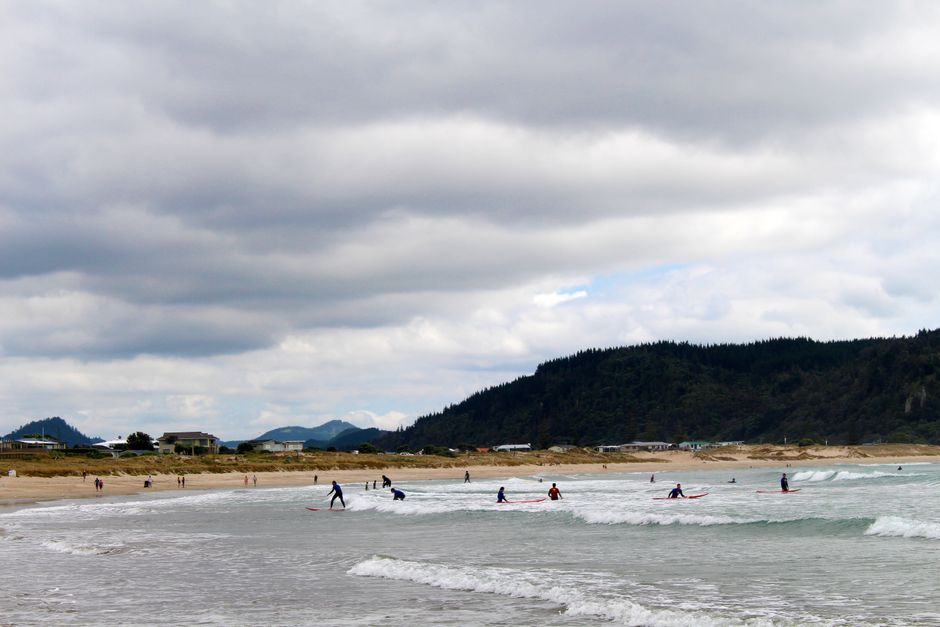
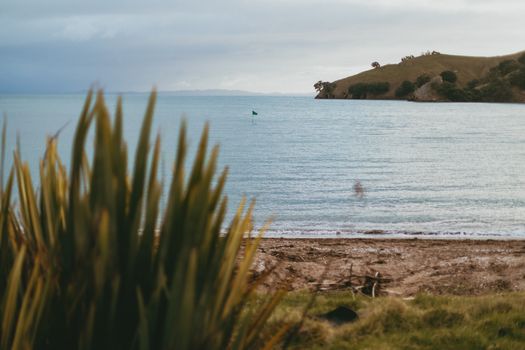
Whangamatā’s ocean beach is the heart of the town, and it offers something that very few beaches in New Zealand can claim. It has some of the best surf breaks in the country, yet it also offers some of the safest swimming in Aotearoa New Zealand. That combination makes it genuinely special.
For surfers, the beach is a proven destination. The waves are consistent and the breaks are well known, making Whangamatā a reliable place to surf in New Zealand. Beginners and experienced surfers alike will find conditions that suit their level, and the beach culture is welcoming and relaxed.
For swimmers, the safety record is reassuring. Families can let children enjoy the water with confidence, and the long sandy beach provides plenty of space for everyone. Public facilities along the beach make it easy to spend a full day there, with room for swimming, surfing, building sandcastles or simply lying on the sand.
That balance between surf and safety is the reason the beach is so beloved. It is a place where a parent can watch the kids splash in the shallows while a surfer paddles out beyond the break, and everyone leaves happy.
Why Whangamata New Zealand Is Perfect for Families
Whangamatā is one of New Zealand’s most popular beach destinations, and it offers an idyllic setting for families looking to unwind and make memories together. The safe swimming conditions are a huge draw for parents, and the long beach gives children endless room to run, play and explore. The town is used to hosting holidaymakers, and the local amenities reflect that.
Each summer, tens of thousands of families flock to the ocean beaches and saltwater estuaries of Whangamatā. The estuaries add another layer of fun, with calm, sheltered water that is ideal for young children and paddleboarding. This aquatic playground keeps kids entertained for hours, and the variety of water conditions means there is always a suitable spot, whatever the weather or tide.
When the beach day is done, the vibrant town centre offers top-notch eateries where families can refuel. From fish and chips to a proper cafe meal, there is something to satisfy every appetite. The relaxed pace of the town makes it easy to slow down and enjoy a proper family holiday.
Beyond the Beach: Town Centre and Native Forest
Whangamatā is not just a beach town. The town centre is vibrant and welcoming, with a range of places to eat, drink and shop. Boutique shopping adds a touch of style, and the local businesses give the town a character that goes beyond the typical holiday destination. Taking a break from the sand to explore the centre is well worth the effort.
The native forest park that surrounds the town is another major highlight. The green backdrop is visible from the beach, and walking tracks take visitors from the coast into peaceful bush. This connection to nature is part of what makes Whangamatā special. You can swim in the morning, walk through native forest in the afternoon and enjoy a cafe meal in the evening, all within a short distance.
For visitors who want to keep track of what the region has to offer, the Hauraki Coromandel travel app is a practical tool. It provides real-time road updates, trail information, tides and weather all in one place. Having that information on hand makes planning your days much easier, especially if you want to combine beach time with walks and other activities.
Is Whangamatā a Good Place to Live?
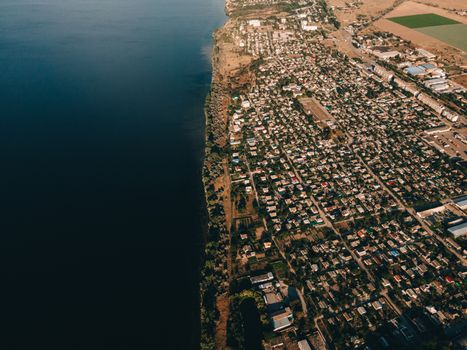
For anyone who dreams of living by the beach, Whangamatā has obvious appeal. It is a small coastal town with a population slightly below 4,000 people, and residents get to enjoy the beach, the surf and the native forest every day. The town has the amenities needed for everyday life, and the vibrant centre means you do not have to travel far for good food or shopping.
There is also a strong seasonal rhythm to life in Whangamatā. During summer, the town is busy and energetic as holidaymakers arrive. Outside the peak season, it settles back into a quieter pace. For people who love the outdoors and a strong sense of community, that rhythm can be very appealing.
Is Whangamatā Worth Visiting?
The short answer is yes. Whangamatā is described as the perfect place to relax, recharge and explore, and that reputation is well earned. The beach alone is worth the trip, with its long sandy stretch, world-class surf and safe swimming. Add the native forest, the saltwater estuaries and the friendly town centre, and you have a destination that appeals to a wide range of travellers.
It is also easy to include in a broader Coromandel itinerary. Its location on the southeast coast of the peninsula, 30 kilometres north of Waihi and roughly 45 miles from Auckland, makes it accessible for both day trips and longer stays. First-time visitors to New Zealand will find it an excellent introduction to the beach culture of the North Island, and returning visitors will understand why it is so popular.
When Is the Best Time to Visit Whangamatā?
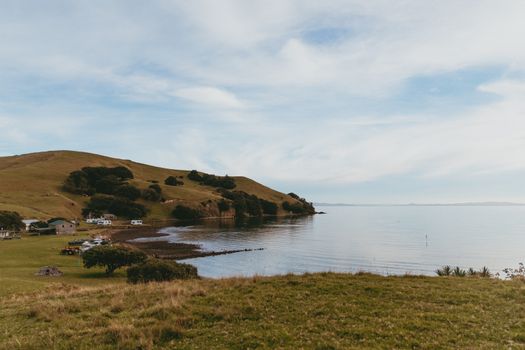
Summer is the time when Whangamatā truly comes alive. That is when the water warms to around 20 degrees and the holiday crowds arrive to enjoy the aquatic playground. If you want the full experience, with the town buzzing and the beach packed with families, the summer months are the obvious choice.
That said, the shoulder seasons also have plenty to offer. The surf is still reliable, the walks through the native forest are enjoyable in cooler weather, and the town is far quieter. For travellers who prefer a more relaxed experience without the peak season crowds, visiting outside summer can be a smart choice. Either way, it is a good idea to check local sources for current conditions and events.
Frequently Asked Questions
Here are answers to some common questions about visiting Whangamatā.
What is Whangamatā known for?
Whangamatā is known for its stunning beach, world-class surf and the unique combination of beach, rainforest and surf. It is considered one of the best beaches in New Zealand, with some of the best surf breaks in the country alongside some of the safest swimming in Aotearoa New Zealand.
Is Whangamatā worth visiting?
Yes. Whangamatā is one of New Zealand’s most popular beach destinations and is described as the perfect place to relax, recharge and explore. Its long sandy beach, great waves, public facilities and vibrant town centre make it a rewarding destination for families, surfers and anyone seeking a classic New Zealand summer beach holiday.
Is Whangamatā a good place to live?
Whangamatā is a small coastal town with a population slightly below 4,000 people. Residents enjoy a relaxed lifestyle with easy access to the beach, native forest park and a vibrant town centre. The town gets busy during the summer holiday season, but the setting is genuinely beautiful and the community is welcoming.
Where is Whangamatā located?
Whangamatā is on the southeast coast of the Coromandel Peninsula in the North Island of New Zealand. It is located 30 kilometres north of Waihi and about 45 miles from Auckland, in the Waikato region. The town is set against a backdrop of native forest park.
What can you do in Whangamatā besides the beach?
Beyond the beach, visitors can explore the vibrant town centre with its top-notch eateries and boutique shopping. The surrounding native forest park offers walking opportunities, and the saltwater estuaries are popular for swimming and water play. Whangamatā is also a place to catch a fish, making it a well rounded coastal destination.