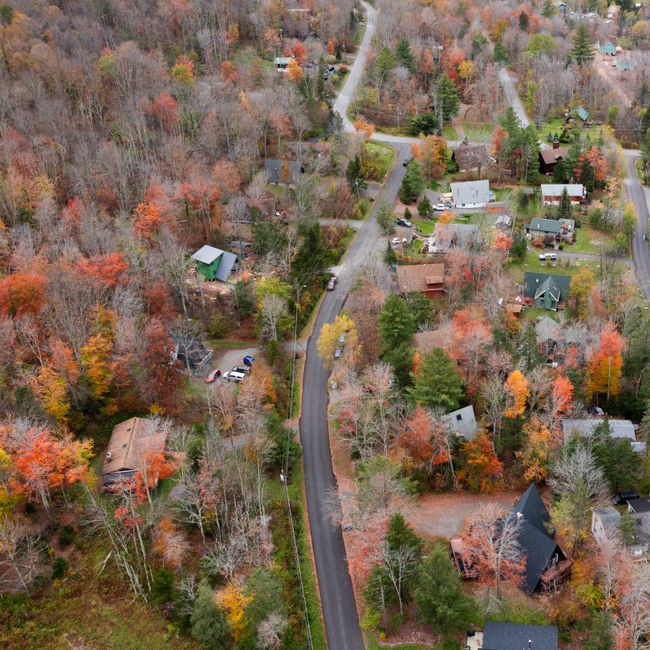
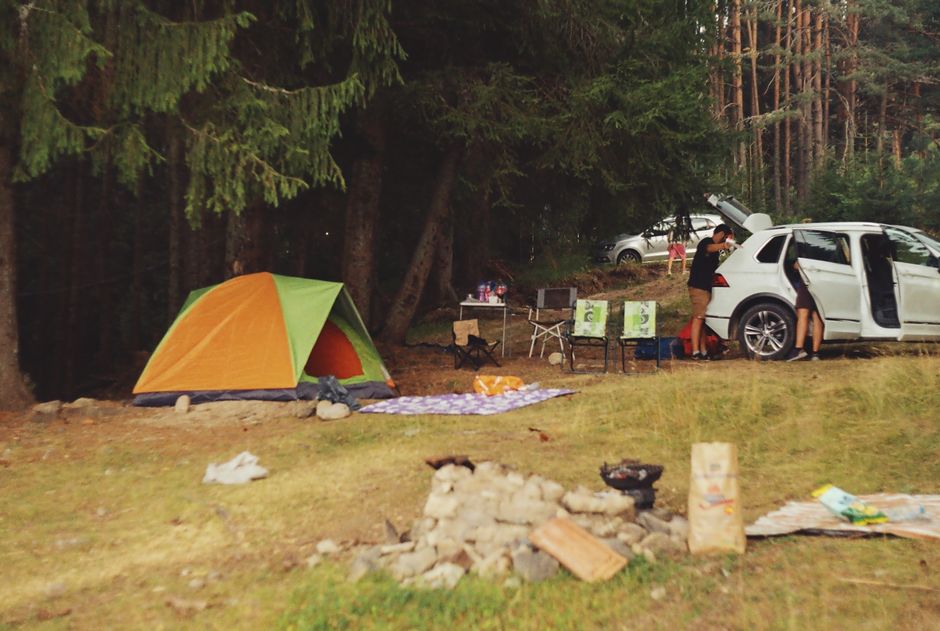
Whanganui camping. Whanganui sits on the river that shares its name, close to the coast, which means the camping options here stretch from beachside holiday parks to riverside sites deep in the national park. You can wake to the sound of surf at Castlecliff, park the campervan under trees a short drive from town, or paddle to a flat grassy campsite in the Whanganui National Park and fall asleep to the sound of the awa.
That spread of choice is what makes the district a solid stop on any lower North Island road trip. Travelling with kids, touring in a self-contained van or walking a section of the river, there is a camp that fits. This guide covers the holiday parks, the freedom camping sites the council allows, and the river camps that sit further out.
Why Whanganui works well for a camping trip
Discover Whanganui’s camping guide sums up the appeal neatly: you can camp near the beach or out in the countryside, and the options run from full holiday parks through to freedom camper sites. Few districts in the lower North Island pack that much variety into such a short drive.
The city centre gives you supplies, cafes and fuel before you head out, while the coast and the river valley give you the quiet. Holiday parks cluster around Whanganui itself and the nearby beaches, and the wilder camping begins as you move inland towards Pipiriki and the national park.
Holiday parks in and around Whanganui
Holiday parks are the simplest option if you want power, hot showers and a bit of comfort. Three stand out in the district, and they suit quite different kinds of trips.
Whanganui River TOP 10 Holiday Park
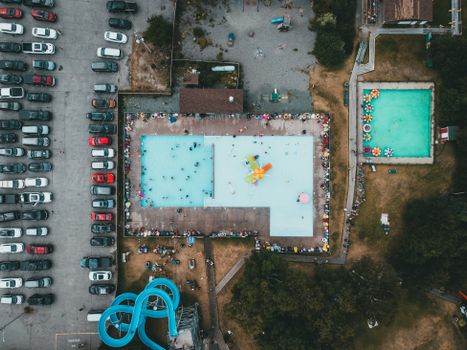
This park sits by the river and offers tent sites, cabins and units, with a range of views across the grounds. Facilities include a swimming pool, spa and playground, which makes it an easy pick for families as well as solo travellers. The camping area is pet friendly by prior arrangement, so ask before you book if you are bringing a dog. The park markets itself on the simple pleasure of relaxing by the awa, watching the riverboats go by and letting the gentle flow of the water ease the day away.
Because the river setting is the main draw, it pays to book ahead in summer and over school holidays rather than assuming a site will be free when you roll in.
Whanganui Seaside Holiday Park at Castlecliff
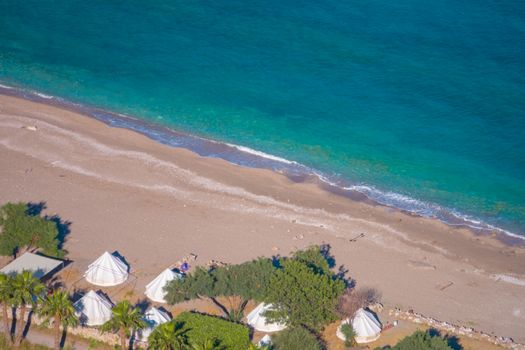
If you would rather hear surf than river, this is the one. It is a beachside holiday park at Castlecliff, about 8km from the Whanganui city centre, with powered sites, cabins and motel units set in three acres of park-like grounds. The beach is right there, and a large adventure playground sits next door, which is handy if you are travelling with children. There is a BBQ complex on site for easy evening meals, and the park is set up for every budget. You can reach the team on 020 4084 0628 or at info@whanganuiholiday.co.nz.
Kai Iwi Beach Holiday Park
Kai Iwi Beach Holiday Park is another coastal option, only about 10 minutes from the Whanganui CBD. It has a wide range of camping and accommodation options, so it works for tents, vans and people who would rather have a cabin bed than a sleeping mat. The short drive into town makes it a practical base if you want to mix beach time with errands, and it is a good fallback when the parks closer to the city are full.
Freedom camping in the Whanganui district
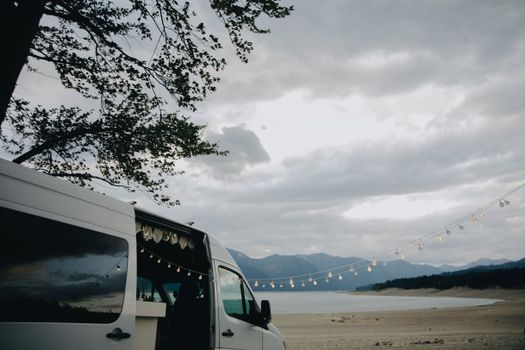
Whanganui District Council allows self-contained freedom camping at a set list of locations, including Babbage Place, Jubilee Stadium Carpark, Westmere Lake carpark, Castlecliff Beach and Moutoa Quay. These sites give van travellers a low-cost place to stay, but they come with conditions, and at least one has restricted hours rather than round-the-clock access.
What self-contained actually means
Freedom camping spots in the district are for self-contained vehicles, which means your van needs its own toilet and wastewater storage. If you are not sure whether your vehicle qualifies, check the council’s freedom camping page before you arrive. Rules and site lists do change over time, so confirm the current position rather than relying on an old blog post or a friend’s memory of last summer.
Castlecliff Beach freedom camping
Castlecliff is described as one of the better-equipped freedom camping sites in Whanganui. Toilets, handbasins and cold showers are available on the ground floor of the building there, which is more than most freedom sites offer. It also puts you within easy reach of the beach, so you get a coastal stay without paying holiday park rates. Busier periods fill up quickly, so arriving earlier in the afternoon gives you a better chance at a level spot.
Moutoa Quay and other town sites
Moutoa Quay is one of the central options, and the council lists it with time restrictions rather than unrestricted access. The other town sites, including Babbage Place and the Jubilee Stadium Carpark, are convenient if you want to be close to services. Because allowed hours and locations can be reviewed by the council, treat any list you find online as a starting point and confirm the details on the council website before you park for the night.
Camping on the river and in Whanganui National Park
Head inland and the camping gets quieter and more scenic. The river valley is the main draw, and there are two very different options depending on how far you want to go.
Pipiriki Camping Grounds
Pipiriki Camping Grounds offer Whanganui River accommodation in a secluded and secure campground that suits campervans, campers and group bookings. It is a good base for river trips and for exploring the valley, and the group-friendly setup makes it a sensible choice for clubs, families travelling in convoy or anyone organising a larger gathering. Being further up the valley, it is quieter than the coastal parks and puts you close to the start of the more dramatic river country.
Whakahoro Campsite
Whakahoro Campsite is a DOC campsite in Whanganui National Park. It is a large, flat, grassy site beside the river and works well as a starting point or a mid-point stop on a longer river trip. DOC lists it as a Great Walk campsite in the Whanganui area, which tells you it is set up for people arriving on foot or by water rather than by car alone. Check DOC’s website for current fees, booking requirements and any alerts before you build a trip around it.
Comparing your Whanganui camping options
The quickest way to choose is to match the site to how you are travelling and what you want out of the trip.
Option | Where it is | Best for |
|---|---|---|
Whanganui River TOP 10 Holiday Park | By the Whanganui River | Families and solo travellers who want a pool, spa and playground |
Whanganui Seaside Holiday Park | Castlecliff, about 8km from the city centre | Beach lovers, with powered sites, cabins and motel units |
Kai Iwi Beach Holiday Park | About 10 minutes from the Whanganui CBD | Coastal camping with a short drive into town |
Pipiriki Camping Grounds | Further up the river valley | Campervans, campers and group bookings |
Whakahoro Campsite | Whanganui National Park | River trips, walkers and paddlers |
Freedom camping sites | Babbage Place, Jubilee Stadium Carpark, Westmere Lake carpark, Castlecliff Beach, Moutoa Quay | Self-contained vans on a tighter budget |
Practical tips for a Whanganui camping trip
-
Book ahead in summer. Coastal parks and river campsites are popular in the warmer months and over school holidays.
-
Check the rules before you freedom camp. Designated sites are for self-contained vehicles, and at least one has restricted hours.
-
Ask about pets. Some camping areas accept dogs by prior arrangement, but you need to confirm first rather than turning up.
-
Stock up in town. Once you head towards Pipiriki and the national park, shops and fuel are harder to find.
-
Pack for wet weather as well as sun, because a camping trip in this part of the country can deliver both in a single day.
-
Confirm details at the source. Fees, hours and booking rules change, so check each park, the council or DOC directly before you travel.
Frequently Asked Questions
Can you freedom camp in Whanganui?
Yes. Whanganui District Council permits self-contained freedom camping at a set list of sites, including Babbage Place, Jubilee Stadium Carpark, Westmere Lake carpark, Castlecliff Beach and Moutoa Quay. Your vehicle must be self-contained, and at least one site has restricted hours. Because the council can review its list and conditions, check the current freedom camping page before you park up for the night.
Can you camp at Castlecliff Beach?
You can. Castlecliff Beach is one of the freedom camping locations in the district and is described as one of the better-equipped, with toilets, handbasins and cold showers on the ground floor of the building there. It is for self-contained vehicles only, and it sits beside Whanganui Seaside Holiday Park, which offers powered sites, cabins and motel units if you would rather have full facilities.
Which Whanganui holiday park is best for families?
Whanganui River TOP 10 Holiday Park is a strong choice, with a swimming pool, spa and playground alongside tent sites, cabins and units, and it welcomes families and solo travellers. Whanganui Seaside Holiday Park at Castlecliff is another good option for families, since a large adventure playground sits next to its three acres of park-like grounds by the beach.
Do you need to book Whanganui campsites in advance?
It is wise to book holiday parks ahead during summer and school holidays, when coastal sites fill quickly. For the DOC campsite at Whakahoro, and for Pipiriki Camping Grounds, check the relevant website for booking requirements and current fees, since these can change. Freedom camping sites are generally not bookable, so plan to arrive with time to find a spot.
Can you take dogs camping in Whanganui?
At least one park allows it. Whanganui River TOP 10 Holiday Park says its camping area is pet friendly by prior arrangement, which means you need to ask before you book rather than simply turning up with a dog. Other parks, campsites and freedom camping areas may have different rules, so confirm with each one directly before you pack the lead.