Turangi New Zealand is a small town on the west bank of the Tongariro River, about 50 kilometres south-west of Taupō on the North Island Volcanic Plateau. It is the sort of place that rewards travellers who slow down. The fishing is serious, the river walks are easy to reach, and the surrounding country serves up a mix of lake and river trails alongside tracks of thermal and historic interest. This guide covers what the town is known for, how it fits into a North Island road trip, and what to sort out before you arrive.
Where Tūrangi Sits on the Map
Tūrangi is a small town in the Waikato region, positioned on the west bank of the Tongariro River. Taupō lies roughly 50 kilometres to the north-east, which makes Tūrangi an easy add-on to a Taupō itinerary or a sensible overnight stop on a longer drive through the central North Island.
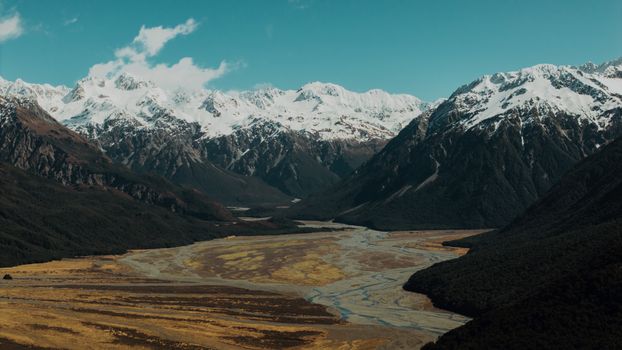
The town sits on the North Island Volcanic Plateau, so the setting is river valley and plateau country rather than coastline. That geography explains a lot about the place: cold, clear water, walking tracks that follow the river, and a strong outdoors culture that revolves around the water.
Detail | Tūrangi |
|---|---|
Region | Waikato, North Island |
Location | West bank of the Tongariro River |
Distance from Taupō | About 50 kilometres south-west |
Landscape | North Island Volcanic Plateau |
Known for | Rainbow trout fishing on the Tongariro River |
Walking options | Lake and river walks, plus thermal and historic tracks |
A Town Built Around Trout
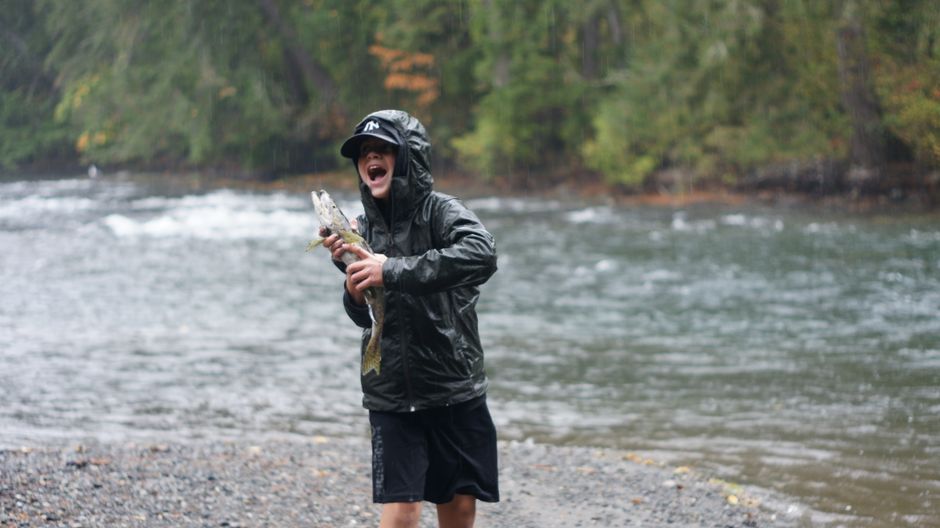
Fishing is the local obsession in Tūrangi. The town sits on the banks of the Tongariro River, which is famous near and far for its rainbow trout, and that single fact shapes everything from the local economy to the conversations in the shops.
Tūrangi is regularly described as a basecamp for world-class fly fishing on the pristine Tongariro River. Anglers travel here for the river itself, and the town has built its identity around them. If you are visiting to fish, plan your trip around the water rather than the town, and be realistic about how much time you want on the river versus how much time you want walking or exploring.
If you are not a fisher, that is fine. The fishing culture is still worth experiencing from a distance: the riverside is where locals gather, and the rhythm of the town follows the river. Anyone planning to fish should check current licence requirements, seasons and local regulations with the relevant official authority before travelling, because rules and conditions change and the research behind this guide does not cover them in detail.
Walks, Trails and Time on the Water
The Tūrangi area covers a variety of environments, ranging from lake and river walks to tracks of thermal and historic interest. That spread is one of the town’s quieter strengths. You do not need to commit to a full-day tramp to see something worthwhile, and you do not need to be an experienced hiker to enjoy the riverside.
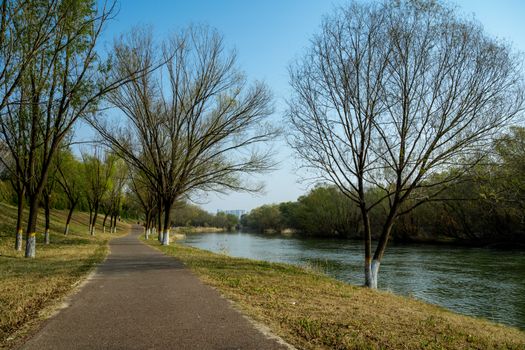
The Tongariro River Trail is the best-known walking option in the area, following the water and giving easy access to the river environment that defines the town. Beyond that, the Department of Conservation’s Tūrangi area pages are the place to look for track listings, current conditions and any closures. Track information does change, so it is worth checking before you set out rather than relying on an old blog post or a printed map.
-
River and lakeside walks for an easy half day out
-
Tracks with thermal interest for something a bit different
-
Historic tracks for context on the area’s past
-
The Tongariro River Trail for time beside the water
Pack for changeable conditions. The Volcanic Plateau can turn cold and wet quickly, and riverside tracks are exposed in places. A light rain jacket and proper footwear make a bigger difference here than they would in a coastal town.
Getting There and Getting Around
Tūrangi’s position 50 kilometres south-west of Taupō makes it straightforward to reach by road as part of a self-drive trip. Most visitors arrive by car or campervan, and that is also the easiest way to get around once you are here. Public transport options in small central North Island towns are limited, so having your own vehicle gives you far more flexibility for exploring the surrounding area.
Fuel up and stock up before you arrive if you are heading further into the plateau, and check official road condition sources in winter, when weather in this part of the country can affect driving. The town itself is compact and walkable, so once you have parked, you can leave the car behind for the day.
Where to Stay and What to Eat
Accommodation in Tūrangi covers the usual small-town spread, from motels and holiday parks through to hotels and lodges. Hotel search sites list a good range of options, and rates move around with season and demand, so it pays to compare a few booking platforms rather than locking in the first result you see. Availability can tighten during busy holiday periods, so book ahead if your dates are fixed.
For eating, the town caters largely to travellers passing through and to anglers staying a while, which usually means solid, unfussy food rather than destination dining. Self-catering is a practical option if you are on a budget or arriving late, and it keeps costs down on a longer road trip. Check current opening hours directly with venues, as small-town hospitality hours shift with the season.
When to Visit Turangi New Zealand
Tūrangi sits on the North Island Volcanic Plateau, where weather can change quickly at any time of year. Rather than chasing a perfect month, plan around what you want to do: river time, walking, or simply using the town as a quiet base. Check the forecast in the days before you travel and again on the morning you head out.
Summer brings the most reliable conditions for walking, while the cooler months suit travellers who do not mind layers and shorter days. Fishing has its own seasons and rules, so if the river is the reason for your trip, verify the current regulations before you book anything.
Tūrangi as a Base for the Central North Island
Tūrangi works well as a basecamp rather than a single-stop destination. It is described as a gateway to the beauty and adventure of the surrounding Central Plateau, which makes it a natural launching point for everything the region offers. Staying two or three nights lets you mix river time with day trips and still have evenings free.
For local events and what is happening in the community, the Taupō and Tūrangi news coverage and the regional tourism site for the Taupō district are useful starting points. Both are updated regularly and are more reliable than social media posts when you are planning around a specific date.
Budget-Friendly Ways to Enjoy Tūrangi
Tūrangi suits travellers watching their spending. The town’s best assets are outdoors and free to access, which means you can fill a day on river and lake walks without paying an entry fee.
-
Walk the river and lakeside tracks instead of booking paid activities
-
Stay in motels or holiday parks and cook your own meals where possible
-
Use Tūrangi as a base and day-trip rather than moving accommodation often
-
Travel outside peak holiday periods to widen your accommodation options
If you are planning to camp, check the current rules with the Department of Conservation or the local council before you travel, as permitted areas and conditions are not something to guess at.
Practical Tips for First-Time Visitors
A few small preparations make a Tūrangi stop much smoother, particularly if you are combining it with other North Island destinations.
-
Bring layers and a waterproof jacket, whatever the forecast says.
-
Confirm fishing licence requirements and local regulations before you arrive.
-
Check Department of Conservation track information for anything beyond an easy riverside walk.
-
Book accommodation ahead during popular holiday periods.
-
Fuel and groceries up before heading deeper into the plateau.
-
Keep your plans flexible, because weather in this region can shift quickly.
Treated as a quiet overnight stop, Tūrangi can feel like nothing much. Treated as a base with a day or two up your sleeve, it becomes one of the more memorable small towns on a North Island itinerary: a river town with a genuine identity, easy walking, and a location that puts a lot of the central plateau within reach.
Frequently Asked Questions
Where is Tūrangi?
Tūrangi is a small town on the west bank of the Tongariro River, about 50 kilometres south-west of Taupō. It sits in the Waikato region on the North Island Volcanic Plateau. That position makes it a practical stop on a self-drive trip through the central North Island, and an easy side trip from Taupō.
What is Tūrangi best known for?
Trout fishing. The town sits on the Tongariro River, which is famous for its rainbow trout, and fishing is the local obsession. Tūrangi is widely described as a basecamp for world-class fly fishing on the river. Even if you never pick up a rod, the fishing culture clearly shapes the town.
What is there to do in Tūrangi if you do not fish?
Plenty. The Tūrangi area covers a range of environments, from lake and river walks to tracks of thermal and historic interest. The Tongariro River Trail is a popular option along the water. The town also works well as a quiet base for exploring the surrounding Volcanic Plateau, so check the Department of Conservation’s Tūrangi area pages for current track details.
Is Tūrangi worth visiting?
If you enjoy rivers, easy walking and small-town New Zealand, yes. Tūrangi is compact and simple to explore, and its position 50 kilometres south-west of Taupō makes it a natural stop on a North Island road trip. Come for the trout fishing, the river trails, or simply as a calmer alternative to the bigger centres.