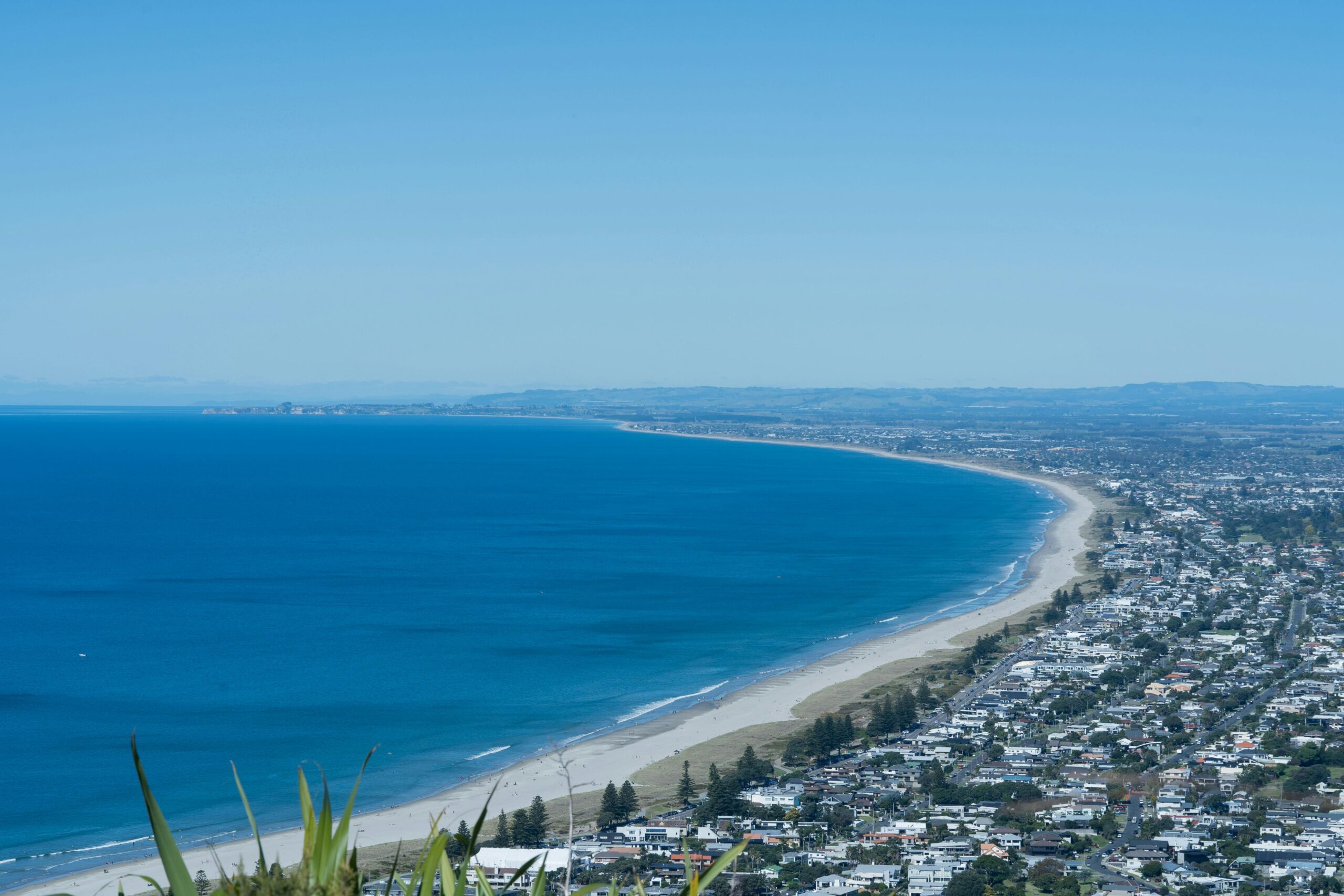
Warm water, volcanic islands, world-class surf, and steaming geothermal pools — the Bay of Plenty delivers every time
There’s a reason the Bay of Plenty got its name. When explorer James Cook sailed along this stretch of coastline in 1769, he was struck by the abundance of food, the warmth of the people, and the richness of the land. More than 250 years later, the Bay of Plenty still lives up to that name — and for anyone living in the North Island, it represents one of the most rewarding weekend escape destinations in the country.
Stretching from Waihi Beach in the west to Ōpōtiki in the east, the Bay of Plenty offers an almost embarrassing range of weekend options. You can laze on white sand beaches, hike an active volcanic island, soak in natural hot pools, surf world-class breaks, explore vibrant café culture, and kayak through mangrove channels — often within the same 48 hours. The region enjoys more sunshine hours than almost anywhere else in New Zealand, the kiwifruit orchards and avocado groves give it a lush, tropical feel, and the small towns that dot the coast each have their own distinct character.
Whether you’re based in Auckland, Hamilton, Rotorua, or somewhere in between, here are the best weekend getaways the Bay of Plenty has to offer.
Whakatāne and Whakaari/White Island — Volcanic Drama at Its Finest
Whakatāne is the Bay of Plenty’s most underrated town. Sitting at the mouth of the Whakatāne River, it’s a warm, unhurried place with excellent coffee, a strong Māori cultural identity — it sits in the heart of the Ngāti Awa rohe — and some of the most striking coastal scenery in the region. The surrounding beaches, particularly Ōhope Beach, are among the finest in the North Island: long, golden, and reliably uncrowded even in the height of summer.
But the defining feature of Whakatāne is what lies 48 kilometres offshore: Whakaari/White Island, New Zealand’s most active marine volcano. The island sits in the Bay like a smouldering mirage — visible on clear days from the shore, trailing a plume of volcanic steam that never quite disappears.
Following the tragic eruption of December 2019, land-based tours to the island remain suspended, and the situation should be checked carefully before any visit to the region. However, scenic flights over Whakaari operated from Whakatāne Airport offer a spectacular and safe way to witness the island’s extraordinary volcanic activity — the acid crater lake, the constantly shifting steam vents, and the raw geological power of an active caldera viewed from the air is genuinely unlike anything else in New Zealand.
On the mainland, the Ōhope Scenic Reserve offers easy walks through coastal bush above the beach with sweeping views across the Bay. The Whakatāne Heads walkway traces the clifftops above the river mouth and is one of the region’s best sunset walks. For cultural depth, the Mataatua Wharenui — a magnificently carved meeting house with a remarkable history of having been sent to Australia and England before finally returning home in 1996 — is a must-visit.
Stay: Whakatāne has a good range of motels, holiday parks, and beach houses available on Airbnb and Bookabach, particularly around Ōhope.
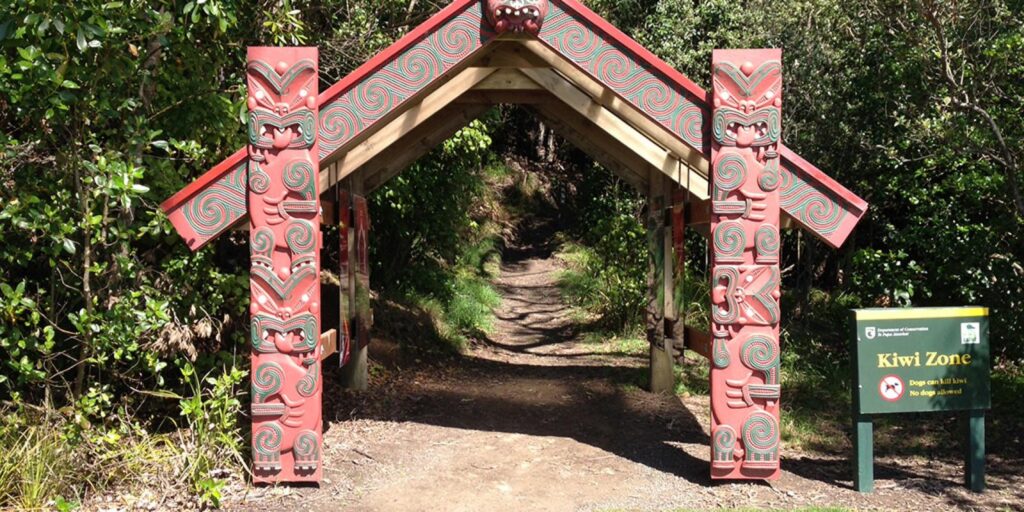
Mount Maunganui — The Bay’s Coolest Beach Town
If you want a weekend that mixes excellent beaches, great food, craft beer, and enough activity to feel like you’ve earned the relaxation, Mount Maunganui — affectionately known as “the Mount” by locals — is the Bay of Plenty’s most complete weekend destination.
The town is built around Mauao, a distinctive 232-metre volcanic cone that rises at the tip of a narrow peninsula where the harbour meets the ocean. The summit walk takes around 45 minutes and rewards with panoramic views stretching from Whakaari in the east to the Coromandel Peninsula in the west. The base track around the foot of the mount is an easy 3.4-kilometre stroll popular with locals at all hours.
The main ocean beach stretching south from Mauao is one of New Zealand’s best surf beaches — consistent waves, a long sandy break, and a reliable lifeguard patrol in summer. Surf hire and lessons are available from several operators on the beachfront. For calmer water, the harbour side of the peninsula offers sheltered swimming and a boat ramp where kayak and paddleboard hire is available.
The town itself has evolved significantly over the past decade and now has a dining and café scene that punches well above its size. Bliss Bakery draws queues on weekend mornings, the Mount Mainstreet strip has a relaxed, village feel, and several excellent bars and craft beer venues make evenings equally worthwhile.
The Pilot Bay lawn on the harbour side is a beloved local gathering spot — bring a picnic, watch the harbour traffic, and let the afternoon dissolve in the most pleasant way possible.
Stay: Mount Maunganui has accommodation at every price point. Book well ahead for summer weekends — the Mount is enormously popular with Aucklanders and fills quickly.
Rotorua — Geothermal Wonders an Hour from the Coast
Rotorua sits just inland from the Bay of Plenty coast, about an hour’s drive from Tauranga or Whakatāne, and it earns its place in any Bay of Plenty weekend itinerary without apology. The city sits atop one of the world’s most active geothermal fields and has built an entire tourism industry around the fact that the earth here is barely contained.
For a weekend getaway, Rotorua works best as a complement to the coast — combine a night or two at the Mount with a night in Rotorua and you have a weekend that covers beaches, adventure, culture, and wellness in a single trip.
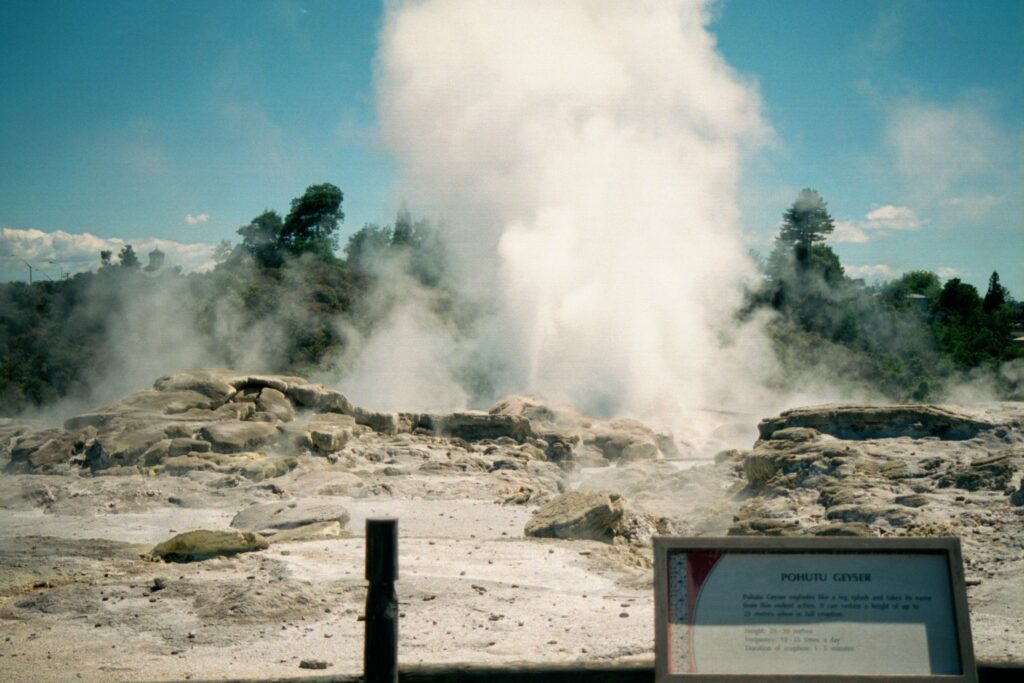
Te Puia offers the most comprehensive introduction to both the geothermal landscape and Māori culture — the enormous Pōhutu geyser erupts multiple times daily, and the carving and weaving schools on site offer a genuine window into living Māori artistry. Wai-O-Tapu Thermal Wonderland, south of the city, is arguably even more visually spectacular — the Champagne Pool with its vivid orange mineral crust and the Lady Knox geyser (theatrically encouraged to erupt at 10:15am daily) make for extraordinary photography.
For something more intimate, the Kerosene Creek free natural hot stream south of Rotorua is one of the region’s best-kept secrets — a warm, geothermally heated stream running through native bush where you can soak for free. Go early morning or late afternoon to avoid the midday crowds.
The Redwoods Whakarewarewa Forest is free to enter and offers mountain biking and walking tracks beneath towering California redwoods that were planted as a timber experiment over a century ago and now form one of the most beautiful forests in the North Island.
Stay: Rotorua has abundant accommodation including thermal motels where the pools are heated by the earth itself — a very fine way to end a day of sightseeing.
Tauranga — The Bay’s Urban Heart
Often overlooked in favour of its neighbour across the harbour, Tauranga is a city that has come into its own over the past decade. It is now one of New Zealand’s fastest-growing cities, and the food, arts, and café scene has grown to match its population. For a weekend that leans more urban — markets, galleries, good restaurants, waterfront walking — Tauranga is the Bay of Plenty’s most complete city destination.
The Tauranga Farmers’ Market on Saturday mornings at Tauranga Primary School is one of the best in the North Island — seasonal produce, artisan bread, specialty coffee, locally grown avocados, and the kind of unhurried weekend atmosphere that makes you want to stay all morning.
The Strand along the waterfront has been revitalised with café and bar offerings that make it a particularly pleasant place to spend a Friday evening. The Tauranga Art Gallery is small but thoughtfully curated, with a strong representation of Bay of Plenty and Māori artists.
For something more active, the Kaimai-Mamaku Forest Park begins almost at Tauranga’s doorstep. The Wairere Falls track in the Kaimais is one of the region’s best half-day walks, climbing through native forest to a 153-metre waterfall with views across the Waikato plains.
Stay: Tauranga’s central accommodation options are varied and generally well-priced outside peak season. The suburb of Papamoa, stretching along the beach east of the city, has excellent holiday park and rental options for those wanting sand at their doorstep.
Waihi Beach — The Bay’s Quieter Western Edge
At the western end of the Bay of Plenty, where the region blurs into the Coromandel, Waihi Beach offers something slightly different: a long, exposed surf beach with a genuinely relaxed, unhurried character that draws families and surfers rather than the Mount Maunganui weekend crowd.
The beach itself is magnificent — over nine kilometres of dark golden sand backed by low dunes and coastal pohutukawa trees. The surf is consistent and the rips require respect, but the northern end near the estuary offers calmer water suitable for children and paddleboarders.
The nearby town of Waihi is worth an hour of your time — it sits atop one of New Zealand’s richest gold-mining histories, and the Martha Mine lookout gives you a vertiginous view into an open-cut mine of remarkable scale that operated until recently. The Karangahake Gorge Historic Walkway, a short drive away, threads through old mining tunnels and along a dramatic river gorge and is one of the most atmospheric short walks in the region.
Stay: Waihi Beach has a handful of excellent holiday parks and a growing selection of beach houses available for rent. It fills quickly in January but is beautifully uncrowded in autumn and spring.
Practical Tips for a Bay of Plenty Weekend
Getting there: From Auckland, Tauranga and Mount Maunganui are 2.5 hours by car via SH1 through the Kaimai Ranges. Whakatāne is around 3 hours. Air New Zealand operates frequent flights from Auckland to Tauranga if you’d rather skip the drive.
What to pack: Sunscreen is non-negotiable — the Bay of Plenty receives some of New Zealand’s highest UV levels. A wetsuit top extends your swimming and surfing season significantly into autumn and spring. Walking shoes for the volcanic cones and forest tracks round out the essentials.
Timing: January and February are peak season and prices reflect it. March through May is the Bay of Plenty at its most golden — warm sea temperatures, autumn light, ripe avocados at every farmgate stall, and barely a queue in sight.
The Bay of Plenty has a way of making weekends feel longer than they are. Come with an open itinerary, follow the sunshine, and let the Bay do the rest.
Ka kite anō — see you again soon.