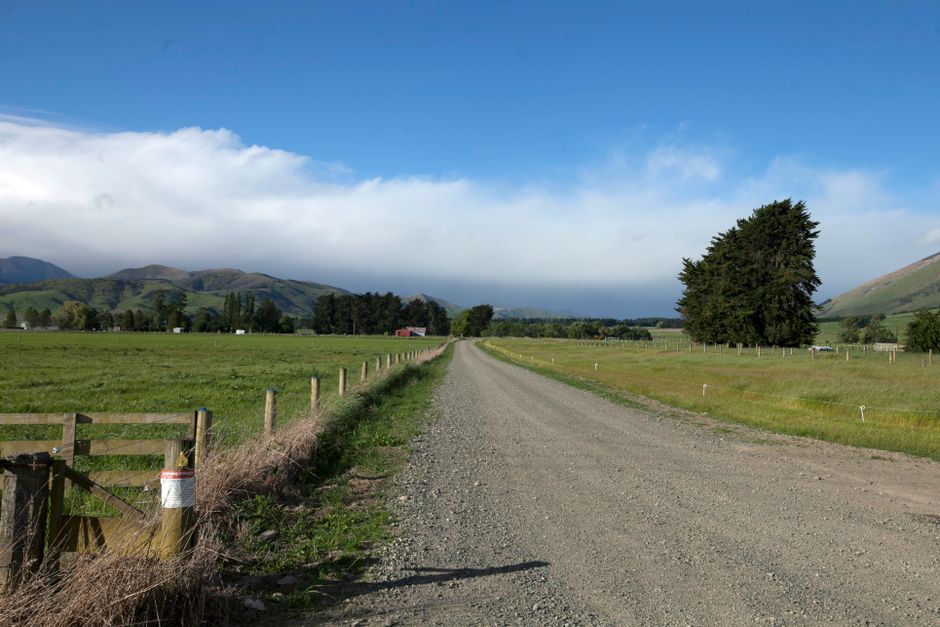
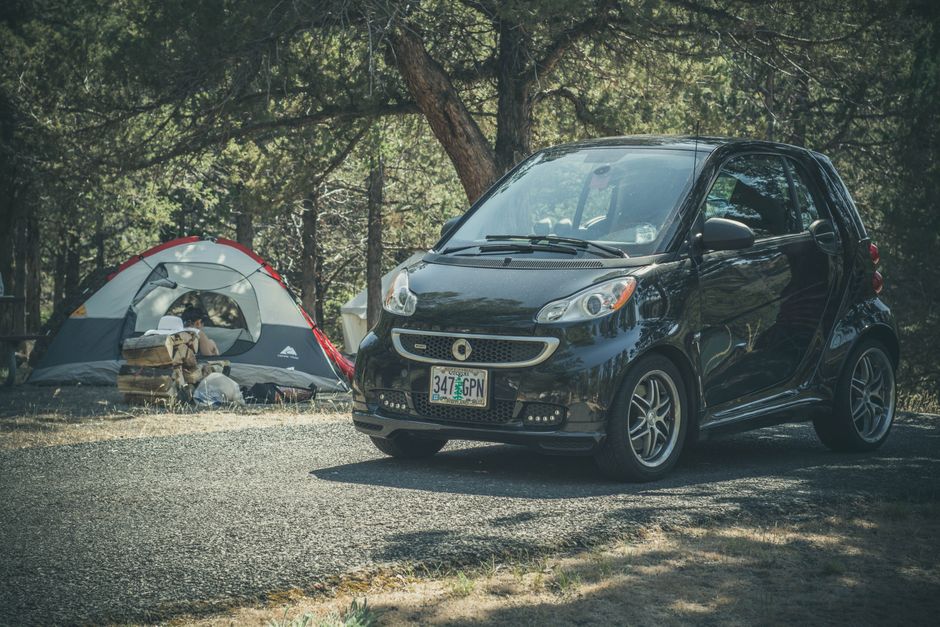
North Island New Zealand road trip. Somewhere between Auckland and Wellington there is a version of the North Island that fits almost any traveller. Geothermal fields that steam beside the road. A volcanic plateau that glows in the late afternoon. Coastlines good enough for snorkelling, and a harbour city at the end of it all where you can put your feet up with a decent flat white. A self-drive trip is the simplest way to stitch those pieces together, and the North Island is compact enough that you are never driving for days to reach the next highlight.
What follows is a practical framework: how long to allow, a route skeleton you can build on, driving distances worth knowing before you book, and the details that catch first-timers out.
Why the North Island Works Well for a Self-Drive Trip
The short answer is variety per kilometre. A customisable North Island highlights tour marketed to self-drive visitors lists scenery, geysers, art deco architecture and vineyards among its drawcards, which is a fair summary of how fast the landscape changes as you head south from Auckland. An 11-day winter itinerary based out of Auckland promises geothermal wonders and hot pools, skiing on volcanic peaks and even winter paddle boarding to a natural pool, all within a few hours’ drive of the city.
That density is what makes the North Island forgiving. Rather than long motorway days, you get a morning at a hot pool and an afternoon on a walking track, with the driving slotted in between. If a day goes sideways because of weather, you can usually reshuffle without wrecking the whole trip.
How Long Do You Need?
There is no single correct answer, and published itineraries range widely depending on how much ground you want to cover. Here is how the common options stack up.
-
One week: several operators publish one-week North Island itineraries that include overnight options, so a seven-day loop is realistic if you are comfortable moving most days.
-
Eleven days: an 11-day winter route from Auckland is built around a winter wonderland reachable within a few hours’ drive, which leaves room for weather delays and a rest day.
-
Seventeen days: some travellers set aside 17 days for the North Island alone, planning to save the South Island for a separate trip. At that pace you can add detours instead of racing the main route.
-
Eight days guided: if you would rather not drive, guided North Island tours run for 8 days and 7 nights, covering Auckland and Wellington.
A useful rule of thumb is to add a day for every two days of planned driving. Weather, roadworks and the urge to pull over for a photo all eat into a tight schedule, and the roads in the central North Island are slower than the distances suggest.
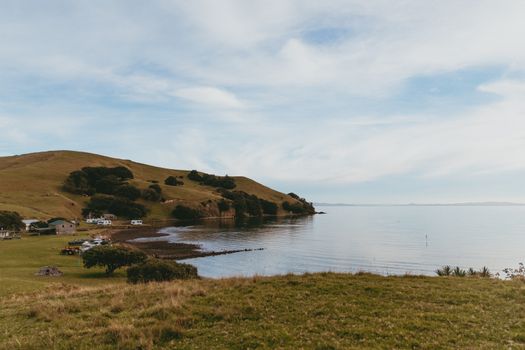
A Route Skeleton From Auckland to Wellington
Most trips begin at Auckland airport and finish in the capital, or the reverse. The outline below is deliberately loose, so you can stretch or compress each leg depending on how much time you have.
Auckland and the Far North
Auckland is where most international flights land, and it pays to give yourself a day or two before committing to long drives. From there, plenty of travellers head north first to shake off the jet lag on quieter roads. A post in a New Zealand travel forum described arriving in Auckland in early March and deciding, fairly late, to drive north to start the trip, which is a reminder that the top of the island is easily its own short break if you have the days.
Waitomo and the King Country
Heading south, the wider Waitomo area deserves a full day rather than a quick stop and a photo. One published itinerary devotes a day to the region, taking in Piripiri Cave, Marokopa Waterfalls and Mangapohue, and notes that the driving alone comes to roughly 270 km. Treat that as a whole day with an early start. Cave and waterfall sites can be affected by heavy rain, so check current conditions before you set off.
Taupō and the Central Plateau
Taupō is the natural halfway point on the classic run south. Auckland to Taupō is about 270 km, or 168 miles, which works out at roughly 3.5 hours of driving without stops. In practice, allow longer, because there is plenty to pull over for. The town makes a comfortable base for geothermal hot pools, lake time and family-friendly activities, and it puts you within easy reach of the volcanic plateau.
Tongariro and the Volcanic Plateau
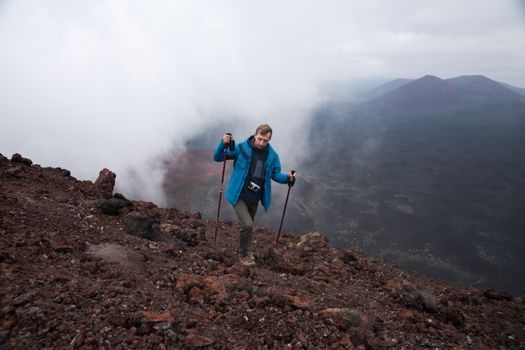
The Tongariro Alpine Crossing is the headline walk in this part of the island, and the Emerald Lakes are the image most people carry home from it. It is a genuine alpine day out rather than a casual stroll, so plan around the forecast, start early, and check the current track status before you commit. If the weather packs in, the surrounding national park still offers shorter walks and lookouts that work in far less forgiving conditions.
Wellington
Wellington rounds off the classic southbound route with a harbour, steep hills and a cable car that looks out over the city buildings and the blue water below. It is a sensible place to end a one-way trip, drop off a rental car or catch a flight home. If you are planning to continue beyond the capital, research that leg separately and book it early rather than assuming you can sort it out on arrival.
Driving Distances to Plan Around
Published itineraries give a few useful markers. Use them as a starting point and confirm current figures with a mapping tool before you travel, because roadworks and seasonal conditions change the picture.
Route | Distance | Driving time |
|---|---|---|
Auckland to Taupō | About 270 km / 168 miles | Roughly 3.5 hours |
Wider Waitomo day (Piripiri Cave, Marokopa Waterfalls, Mangapohue) | Approximately 270 km | A full day once you add stops |
Timing Your Trip Around the Seasons
Winter in the North Island is more appealing than many first-timers expect. A dedicated winter road trip itinerary builds in geothermal wonders and hot pools, skiing on volcanic peaks and winter paddle boarding to a natural pool. If you are travelling in the colder months, stay flexible around mountain weather and check road conditions before setting out each morning.
Spring and autumn are the shoulder seasons, and both suit a road trip well. One traveller planning an October visit listed snorkelling, wildlife photography, astrophotography and scenery as their priorities, which is a very achievable mix on the North Island if you are willing to move around the weather. Autumn brings quieter roads and softer light, and it is a comfortable time to be outdoors for long stretches.
Whichever month you choose, treat posted driving times as estimates, keep a warm layer and rain jacket in the car, and check official road and track status pages before you leave each day. Conditions on alpine tracks and backcountry roads change quickly, and a plan that ignores that will eventually bite.

Matching the Route to Your Interests
Snorkelling and Marine Life
If snorkelling is a priority, build your route around coastal stops rather than treating the sea as something you fit in at the end. Check tide times, water temperature and local rules for marine reserves before you get in, and be honest about your comfort level in open water. A wetsuit makes a big difference outside the warmest months.
Astrophotography and Night Skies
Astrophotography rewards patience more than equipment. Get away from town lights, plan around the moon phase, and accept that clear skies are the deciding factor. Camping or staying somewhere rural for a night or two gives you far more chances than trying to shoot from a city hotel balcony between dinner and bed.
Wildlife Photography
Wildlife photography works best when you slow down. Pick two or three locations and spend proper time there rather than trying to cover the whole island. Early mornings are usually calmer and quieter, and keeping a respectful distance matters both for the animals and for your shots.
Self-Drive or a Guided Tour?
Both approaches work, and the right one depends on how much planning you enjoy. Self-driving gives you the freedom to change plans when the weather turns, stop at a lookout for an hour, and stay somewhere that never makes it onto a standard itinerary.
If you would rather hand over the logistics, guided options exist. An eight-day, seven-night North Island tour covering Auckland and Wellington is priced from $1,706 per person, and weaves together nature and wildlife with the enduring stories of Māori tradition along the route. Customisable self-drive packages sit between the two, letting you pick a highlights route while someone else arranges accommodation and activities. Prices, inclusions and departure dates change, so confirm current details directly with the operator before you book.
North Island New Zealand Road Trip Practical Tips for First-Timers
-
Do not over-schedule. Two hours of driving on paper can easily become four with stops, roadworks and slow traffic behind a campervan.
-
Book accommodation ahead in peak periods, especially in Taupō and Wellington, where demand spikes around events.
-
Fuel up in towns rather than assuming the next stretch will have a station.
-
Keep water and snacks in the car. Distances between places to eat can be longer than you think.
-
Download offline maps before you leave. Coverage drops out in the central plateau and along quieter coastal roads.
-
Carry layers year round. Mountain weather can shift fast, even in summer.
-
Check official road and track status sources each morning, and again before any alpine walk.
Frequently Asked Questions
How many days do you need for a North Island road trip?
Seven days covers the main Auckland to Wellington corridor at a quick pace, and several one-week itineraries include overnight options to make that work. Eleven days gives you room for weather delays and a proper stop at the volcanic plateau. If you have 17 days, you can add detours and still travel without rushing. More time almost always means a better trip.
How far is it from Auckland to Taupō?
The drive is roughly 270 km, or 168 miles, which is about 3.5 hours without stops. Most people take considerably longer, because there are geothermal areas, lookouts and small towns worth pulling into along the way. Treat it as a half day of driving plus however long you want to spend exploring, and check current mapping before you travel.
Is the North Island worth visiting on its own?
Yes. It combines geothermal wonders and hot pools, volcanic landscapes, art deco architecture, vineyards and coastlines within a manageable driving distance. Winter travel is genuinely appealing too, with skiing on volcanic peaks and warm pools to retreat to afterwards. Plenty of travellers devote their entire New Zealand trip to the North Island and leave the South Island for another visit.
Should you self-drive or book a tour?
Self-driving suits travellers who want flexibility and do not mind planning. Guided tours suit those who would rather have logistics handled, and an eight-day, seven-night option covering Auckland and Wellington starts from $1,706 per person. Customisable self-drive packages are a middle ground. Compare what each includes before deciding, and confirm current pricing with the operator directly.
What is the best time of year for a North Island road trip?
Summer and the shoulder seasons are easiest for long driving days and outdoor activities. Winter is underrated for geothermal hot pools and volcanic skiing, and an 11-day winter itinerary shows how much fits within a few hours of Auckland. Whatever month you choose, check conditions daily and keep your plans flexible enough to move a walking day when the weather turns.