New Plymouth Taranaki rewards a slow look. It sits on the west coast of the North Island with a mountain rising behind it and the sea in front, which gives the city a setting few places of its size can match. Surf, art, food, music and walking country all sit within easy reach of each other, so you can build a trip that mixes coast and mountain without a complicated itinerary.
If you are planning a North Island route and wondering whether Taranaki deserves a slot, the short answer is yes. What follows is a practical look at what the region offers, how to get there, what the weather does, and how long to allow.
New Plymouth: The Main City of the Taranaki Region
New Plymouth, known in te reo Māori as Ngāmotu, is the major city of the Taranaki region on the west coast of the North Island. Population figures vary depending on what is being counted. The city is often quoted at around 90,100, while travel sources describe an urban population of about 58,000, and the wider Taranaki region is home to more than 117,000 people. If you need accurate numbers for planning or study, check the latest figures with the relevant official source, because the definitions behind each statistic differ.
For visitors, the setting matters more than the numbers. The conical shape of Taranaki Maunga provides a dramatic backdrop to the city, a constant reminder that the hiking trails of Te Papa-Kura-o-Taranaki are close by. Some days the mountain is sharp and clear on the skyline. Other days it vanishes behind cloud entirely, and locals will tell you that is simply part of living here.
Why Taranaki Suits Surfers, Food Lovers and Art Fans
Tourism sources describe the region as an inspired holiday destination for people who love surf, food, art, music events and adventure. Taranaki offers a blend of natural landscapes, rich history, vibrant arts and culture, sun-drenched beaches and world-class events. That combination is what separates it from a straightforward beach stop. You could swim in the morning, wander a gallery in the afternoon and catch a show in the evening without travelling far between them.
Surf and the coast
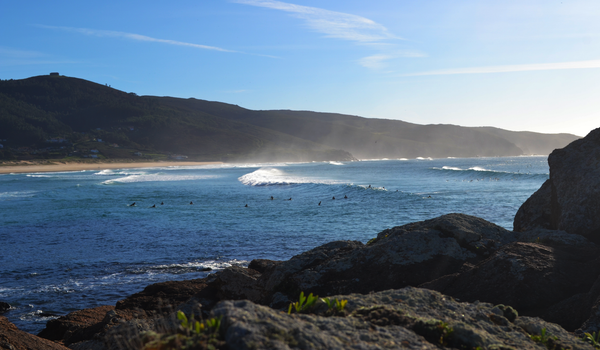
The same west coast exposure that shapes Taranaki’s weather also delivers surf, and the coastline is central to how people here spend their weekends. The foreshore below the city skyline is an obvious place to start a walk, with the mountain often visible behind you. Even if you never pick up a board, the beach and coastal edges are worth an afternoon of your trip.
Arts, culture and events
New Plymouth punches well above its weight on the cultural side. The district has purpose-built event venues, including the Bowl of Brooklands, and local listings have featured large concerts there alongside a steady calendar of community events. Puke Ariki acts as the city’s museum and heritage hub, with exhibitions covering local history, including life in Ōpunakē and South Taranaki through the Feaver Collection.
Programmes change from year to year, so if a specific concert, exhibition or festival is the reason for your visit, confirm the date and venue details with the district council or the venue itself before you book flights and accommodation.
Food and the working region
Generous sunshine hours and rich rainfall make Taranaki a lush, fertile place, and the region has strong rural farming, forestry, fishing and oil and gas industries behind it. That working base gives the district a grounded feel. For visitors, it means a food culture connected to what the land and coast actually produce, rather than a resort scene built for tourists alone.
Getting to New Plymouth and Taranaki
Taranaki sits roughly halfway between Auckland and Wellington on the western coast of the North Island, which makes it a natural stop on a longer drive rather than an awkward detour. Air New Zealand operates a domestic service into the region, and road access is straightforward via the major state highways.
Driving gives you the most flexibility, particularly if you want to combine the city with mountain trails and smaller towns in the same trip. Flying in works well for a shorter break, but you will want to sort out transport once you arrive, since the region’s highlights are spread out beyond the city centre.
Taranaki Sunshine, Rainfall and What to Pack
The region’s event and venue body describes Taranaki as the sunniest region in New Zealand, noting it recorded the most sunshine hours in the country in 2021, 2022 and 2025. The same generous sunshine and rich rainfall are exactly what make the place so green and fertile, and they shape how you should pack.
Plan for both in a single day. Light layers, a waterproof jacket and comfortable walking shoes will serve you better than a wardrobe built around one forecast. A clear morning in Taranaki does not guarantee a clear afternoon, and that is especially true the higher up the mountain you go.
Walking and Hiking Around Taranaki Maunga
Hiking is one of the main reasons people build Taranaki into a North Island itinerary. The trails of Te Papa-Kura-o-Taranaki are the headline act, and they sit within reach of the city, which means you can sleep in town and still spend a full day on the mountain.
Because mountain weather is unpredictable, treat any trail day as a moving target. Check current track and access information with the relevant official sources before you set out, carry more layers than you think you need, and be willing to change plans if the cloud comes in. The mountain is a volcanic environment, and conditions near the top bear little resemblance to conditions at the trailhead.
The Wider Taranaki Region and Day Trips
New Plymouth is the hub, but the region extends well beyond the city boundary. Towns such as Ōpunakē and the wider South Taranaki area have their own history and character, and local museum collections have documented that heritage in detail.
Because Taranaki is compact, a single base in New Plymouth suits most trips. You can drive out to mountain trails, coastal spots or a smaller town for the day and be back in the city for dinner without a long haul. That flexibility is one of the region’s underrated strengths, particularly for families and anyone travelling with limited time.
How Long Should You Stay?
Two nights is a reasonable minimum if you want to see the city properly and get a taste of the coast. Three to four nights opens things up considerably. That extra time lets you add a proper mountain walk, a day trip to a smaller Taranaki town, and a relaxed afternoon in the galleries or on the waterfront.
If an event is your reason for coming, work backwards from that date instead. Taranaki hosts concerts, festivals and community gatherings across the year, and accommodation in the city fills faster when something big is on. Booking early is the simplest way to avoid paying over the odds or staying further out than you intended.

Practical Tips for Planning Your Visit
- Confirm event dates, venues and ticketing details directly with the district council or the venue before locking in travel.
- Book domestic flights and city accommodation early if your dates line up with a major event.
- Plan around the mountain as well as the city. Build in a spare day so a cloudy one does not ruin your hiking plans.
- Pack for sunshine and rain in the same 24 hours, with layers you can add or shed.
- Check track and road conditions with official sources if you are heading onto the mountain.
- Use New Plymouth as a single base and day trip from there rather than moving accommodation repeatedly.
Frequently Asked Questions
Is New Plymouth the same as Taranaki?
No, though the two are often mentioned together. Taranaki is the region on the west coast of the North Island, and New Plymouth is its major city, known in te reo Māori as Ngāmotu. When people say they are visiting Taranaki, they usually mean basing themselves in New Plymouth and exploring the surrounding district, coastline and mountain trails from there.
What is the largest city in Taranaki?
New Plymouth is the largest city in the Taranaki region, with population figures for the city quoted at around 90,100 and an urban population of about 58,000. The wider region is home to more than 117,000 people. Because definitions differ between city, urban area and district, check the latest official statistics if you need exact numbers.
Is New Plymouth worth visiting?
For most travellers, yes. It combines surf beaches, a strong arts and events scene, a well-regarded museum and easy access to the hiking trails of Te Papa-Kura-o-Taranaki, all in one compact region. It also sits roughly halfway between Auckland and Wellington, which makes it a convenient stop on a North Island driving route rather than a special detour.
Is New Plymouth a good place to live?
That depends on what you want. New Plymouth offers a coastal lifestyle with mountain access, a busy events calendar, strong primary industries and a district vision built around the idea of thriving today and being resilient tomorrow. It is smaller and quieter than Auckland or Wellington. Anyone considering a move should research employment, housing and schooling through official sources first.
How do you get to New Plymouth?
Air New Zealand operates a domestic service into the region, and the city is reachable by road via the major state highways. It sits roughly halfway between Auckland and Wellington on the western coast, so many visitors arrive as part of a longer North Island road trip. Driving gives you the most freedom for exploring mountain trails and outlying towns.
Whether you come for the surf, the galleries, a concert at the Bowl of Brooklands or a day on the trails of Te Papa-Kura-o-Taranaki, New Plymouth works best when you give it room to breathe. Base yourself in the city, keep a day spare for the mountain, and let the weather decide the order of things. Taranaki has a habit of turning a quick stop into the part of the trip you talk about most.