Few places in New Zealand deliver the sheer sensory punch of Huka Falls in Taupo. The moment you step onto the viewing platform, you hear it first. A low, constant roar that builds as you approach. Then you see it: more than 200,000 litres of water thundering through a narrow rock canyon every single second. It is the kind of sight that stops people mid-sentence and leaves them staring in silence. You can visit year-round, entry is free, and it is only a five-minute drive from the centre of Taupō town. That combination of raw power and easy access makes Huka Falls one of the most popular natural attractions in the country, and for good reason.
Where Is Huka Falls and How Do You Get There?
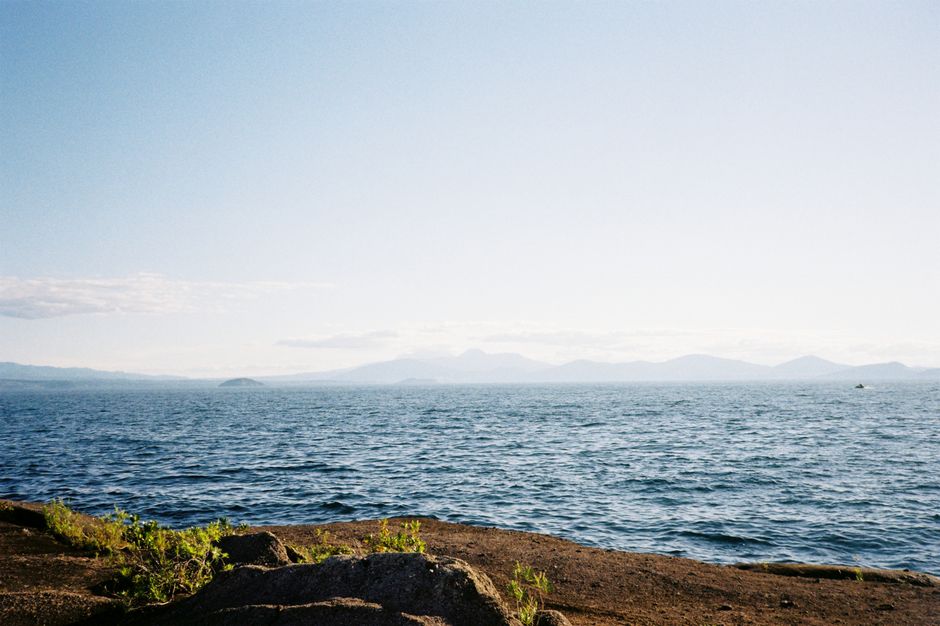
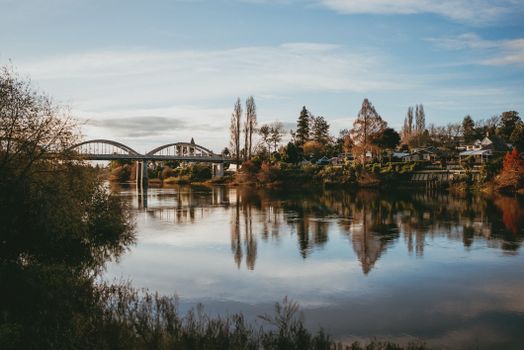
Huka Falls sits on the Waikato River, the longest river in New Zealand at 434 kilometres. The river flows out of Lake Taupō, which is the largest lake in the country and covers roughly 622 square kilometres. To give you some perspective, Lake Taupō is about the same size as Singapore. The falls are located just a five-minute drive from the Taupō town centre, so you can easily slot them into a day of exploring the region.
If you are driving, there is a car park right at the falls, and it is free to use. No parking fees, no entry fees. You simply park, walk a few metres, and you are at the main viewing platform. The address is easy to find on any map, and the route is clearly signposted from the town centre. The falls are also accessible by bike or on foot from town if you want to make a longer trip of it.
What Makes Huka Falls So Powerful?
The magic of Huka Falls lies in geology and physics. The Waikato River starts out roughly 100 metres wide as it leaves Lake Taupō. By the time it reaches the falls, the river has been forced through a narrow canyon that squeezes it down to just 15 metres wide. All that water has to go somewhere, and it goes through the canyon with astonishing force.
The average flow rate is 220 cubic metres per second. That is 220,000 litres of water every second. To put that number in everyday terms, the flow at Huka Falls would fill an Olympic swimming pool in just 11 seconds. The flow does vary depending on the season and recent rainfall. It can drop to as low as 32 cubic metres per second in drier conditions and rise to 270 cubic metres per second during periods of high water. The falls are most spectacular after rain and in spring, when melting snow adds extra volume to the river.
The Final Drop
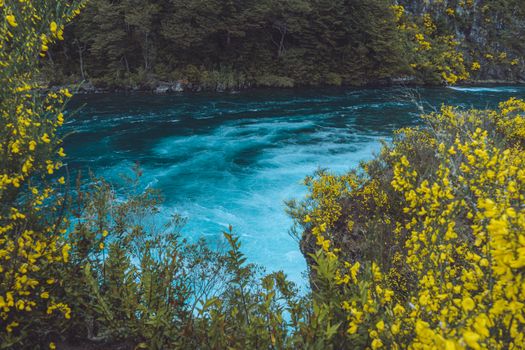
The last stage of the falls is an 11-metre drop, but that is only the finale. Above that final plunge, there is a set of smaller waterfalls dropping about eight metres. Together, these two stages create the full Huka Falls experience. The water does not just fall. It surges, churns, and turns a vivid shade of electric blue before roaring through the canyon below. The colour comes from the extreme turbulence, which forces air into the water and scatters light in a way that produces that signature aquamarine hue.
The Geology of the Canyon
The canyon at Huka Falls is carved into lake floor sediments that were laid down before the Oruanui eruption, which happened about 26,500 years ago. That eruption was one of the largest on Earth in the past 70,000 years, and it created the basin that now holds Lake Taupō. The rock layers you see at the falls are a direct reminder of the volcanic forces that shaped this entire region. It is humbling to stand there and realise the canyon has been cut through ancient sediments by nothing more than the relentless force of running water.
Things to Do at Huka Falls in Taupo
There is plenty to do at Huka Falls beyond simply watching the water. You can easily spend an hour or two exploring the area, and the activities cater to a range of interests and fitness levels.
Walking Tracks
Walking tracks are available on both sides of the falls, and they offer different perspectives. On one side, you get the classic view of the main waterfall head-on. On the other, you can see the river approach and the canyon from above. Both are worth doing if you have the time.
One of the most popular walks is the Spa Thermal Park to Huka Falls walk, managed by the Department of Conservation. This is a short, easy walk that is suitable for children, so it works well for families. The track follows the Waikato River and passes natural hot pools at Spa Thermal Park along the way. You can combine a walk to the falls with a soak in the hot pools, which makes for a very pleasant afternoon.
Jet Boat and River Cruises
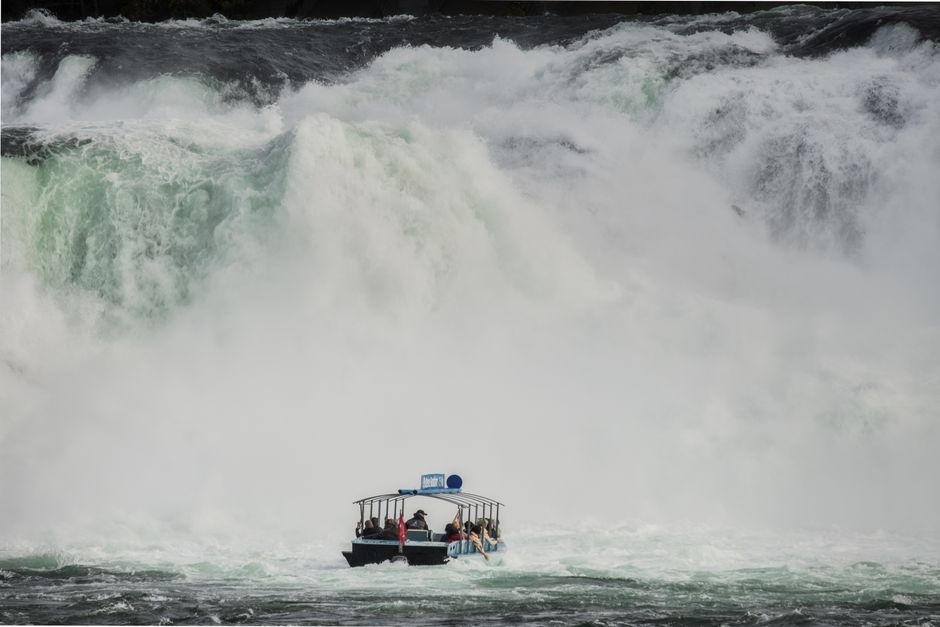
If you want to experience the falls from the water, you can take a jet boat or a river cruise. Jet boats bring you right up close to the base of the falls, and the drivers are skilled at manoeuvring the canyon for an adrenaline-fuelled ride. River cruises offer a more relaxed pace, with commentary about the history and geology of the area. Both options operate from the Taupō area and give you a perspective that you simply cannot get from the viewing platform.
Safety and Respect at Huka Falls
Huka Falls is a place to view the power of nature, not to swim or paddle. The current is dangerously strong, and the water is cold. Do not enter the water at Huka Falls. Stay on designated paths and behind all barriers and fences. The edges of the canyon are steep and slippery. The official advice from the Department of Conservation and Tourism New Zealand is clear: this is a viewing-only attraction. Take your photos, enjoy the spectacle, and keep yourself and your family safe by staying on the marked tracks.
When Is the Best Time to Visit Huka Falls?
You can visit Huka Falls at any time of year, and each season offers a slightly different experience. The falls are most spectacular after rain and in spring, when snowmelt from the central North Island mountains swells the Waikato River. During these times, the flow rate is at its highest, and the roar of the water is at its loudest.
The flow rate is regulated by Mercury NZ Ltd through the Taupō Control Gates. This means the water level can vary even within a single day, depending on power generation needs. If you want to see maximum flow, it is worth checking the river flow data online or asking at the Taupō i-SITE visitor centre before you go. Morning and late afternoon also offer the best light for photography, as the sun hits the water at an angle that brings out the blue colour.
What Does ‘Huka’ Mean?
The name Huka comes from te reo Māori and means ‘foam’. It is an apt name. When the water crashes through the canyon and over the drop, it churns into a white, foamy mass that contrasts sharply with the deep blue of the river. The foam spreads across the pool below the falls and gradually dissipates as the water flows downstream. You can see it clearly from the viewing platform, and it is one of the details that makes the falls so photogenic.
Why Huka Falls Belongs on Your Taupō Itinerary
Huka Falls is one of New Zealand’s most visited natural attractions, and that reputation is well earned. It is free, it is easy to reach, and it delivers a visual and auditory experience that punches well above its size. The combination of the narrow canyon, the high flow rate, and the vivid blue water creates a spectacle that you will remember long after you leave.
Whether you are on a road trip around the North Island, visiting Taupō for a weekend, or looking for a family-friendly activity that does not cost a cent, Huka Falls in Taupō should be on your list. Park the car, walk a few steps, and watch the Waikato River do what it has been doing for thousands of years. It is one of those rare places that looks exactly like the photos and then some.
Frequently Asked Questions
Is there an entry fee for Huka Falls?
No, there is no charge to visit Huka Falls or use the car park. Access to the viewing platforms and walking tracks is completely free. You can visit as often as you like without paying a cent.
How long do you need at Huka Falls?
Most visitors spend between 30 minutes and an hour at the main viewing areas. If you plan to walk the Spa Thermal Park to Huka Falls track or take a jet boat ride, allow at least two hours for the full experience.
Can you swim at Huka Falls?
No, you must not enter the water at Huka Falls. The current is extremely strong and dangerous, and the water is cold. Stay on the designated paths and behind all barriers. The falls are for viewing only.
What is the best time of year to see Huka Falls?
The falls are most spectacular after rain and in spring, when melting snow increases the water flow in the Waikato River. The flow rate also varies depending on the Taupō Control Gates, so check local conditions for the highest water levels.