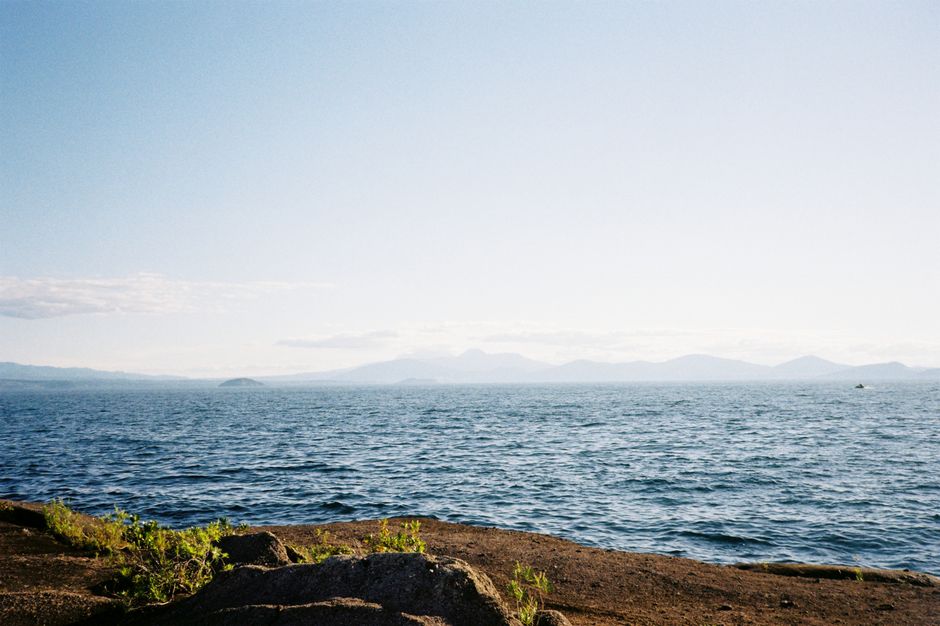
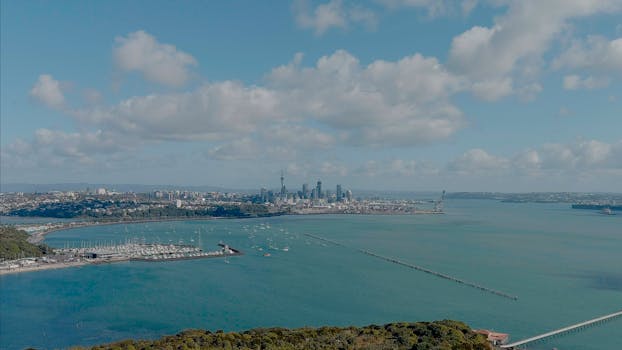
Waiheke Island sits a short ferry ride from downtown Auckland, yet it feels a world away. With around 9,310 permanent residents and an estimated 3,400 second homes dotting its hillsides, the island is a popular escape for locals and visitors alike. Its 92 square kilometres, stretching 19.3 kilometres at its longest point, pack in more than 40 kilometres of beaches, rolling vineyards, and native bush walks. The highest point, Maunganui, rises 231 metres above the Hauraki Gulf, offering wide views across the water. Whether you have a single day or a long weekend, Waiheke rewards a relaxed pace.
Getting to Waiheke Island by Ferry
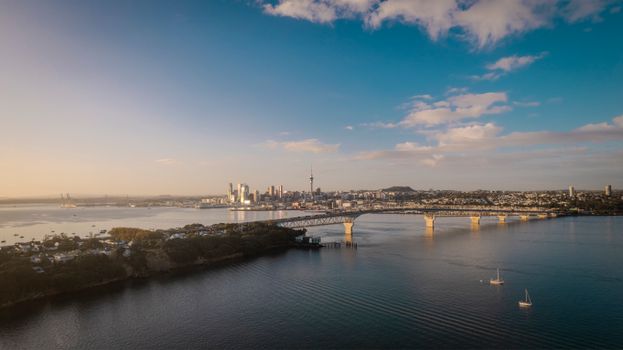
Two ferry operators run passenger services from downtown Auckland to Matiatia Bay, the main ferry terminal on Waiheke. The crossing takes between 40 and 45 minutes. Book early on summer weekends and public holidays, as services can fill up quickly.
Fullers360 Ferry
Fullers360 is the larger operator, with frequent daily sailings from the Auckland ferry terminal. A one-way ticket starts from $31. You can buy tickets online or at the terminal, but buying ahead online saves time. The ferries are large and carry both foot passengers and bicycles. If you are driving to the terminal, Wilson Parking at Princes Wharf offers all-weekend parking for $30 using the promo code PWSHED30, which is worth noting if you plan to leave your car in the city overnight.
Island Direct Ferry
Island Direct runs smaller boats from the Auckland wharves. Their service is less widely advertised, but some regular travellers recommend it as a way to skip the sometimes lengthy queues for Fullers360. Because the boats are smaller, spots are limited, so it pays to arrive early or book ahead. Check their schedule online before you travel, as sailings may vary by season and day of the week.
Getting Around the Island
Once you step off the ferry at Matiatia Bay, you have several options for exploring Waiheke. The island is long and hilly, so walking everywhere is not practical if you want to cover much ground. Plan your transport before you arrive, especially if you are on a day trip.
Public Buses
Waiheke has a public bus network that connects Matiatia Bay with the main settlements, including Oneroa, Ostend, and Onetangi. Buses are a budget-friendly option, but services can be infrequent outside peak times, particularly on weekdays. Check the local bus timetable and allow some flexibility in your schedule.
Car Hire
Several car hire companies operate on the island. You can book in advance and pick up a car near the ferry terminal. A car gives you the freedom to visit wineries, beaches, and viewpoints at your own pace. Booking ahead is wise during summer and around holidays, when demand is highest.
Motor Scooters and Mountain Bikes
For those who enjoy two wheels, motor scooters and mountain bikes are available for hire. The island’s hills can be steep, so electric bikes are a good option if you are not used to cycling. Scooters are a popular choice for couples or small groups wanting to zip between vineyards. Remember to bring a helmet and drive carefully on the winding roads.
Taxis and Ride Services
Taxis are available at Matiatia Bay and can be booked for longer trips. They are a convenient option if you are visiting a few wineries and do not want to worry about driving. Fares add up quickly, so taxis work best for groups sharing the cost.
Waiheke Vineyards and Dining
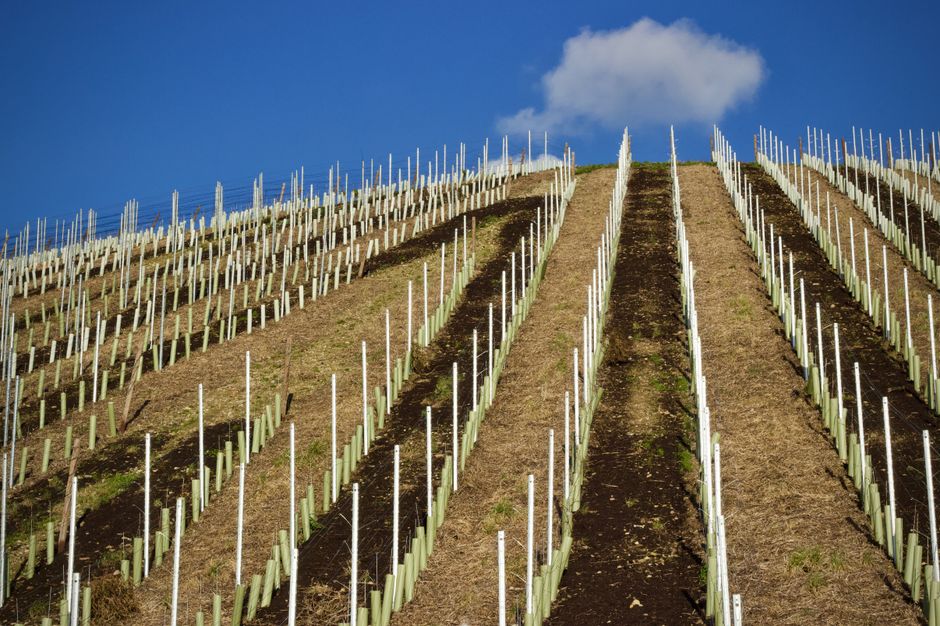
Waiheke is known as a haven of beautiful vineyards, olive groves, and beaches. The island’s warm, dry climate suits grape growing, and its wineries produce award-winning reds, particularly Syrah and Cabernet blends. Many vineyards have cellar doors and restaurants with water views. One important thing to know: many smaller vineyards are only open from Thursday through Sunday, so plan your visits for the end of the week if you want to try a range of boutique producers. The larger, more well-known wineries tend to stay open daily, but it is always a good idea to confirm hours on their websites before you go.
Dining options extend beyond wineries. Oneroa village has several cafes, bakeries, and restaurants serving everything from fresh fish and chips to fine dining. For a casual lunch, grab a pie or sandwich and take it to a nearby beach. Onetangi and Palm Beach also have a few food spots, but options thin out the further you get from the main settlement.
Beaches on Waiheke Island
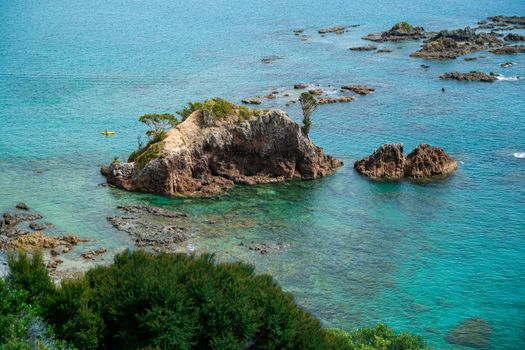
With 133.5 kilometres of coastline and around 40 kilometres of beaches, Waiheke offers plenty of spots to swim, sunbathe, and picnic. Most beaches are sandy and sheltered, with calm waters in summer.
- Oneroa Beach is the closest to the ferry terminal and the most popular. It has a long stretch of sand, a playground, and a few cafes nearby. It can get busy on fine weekends.
- Onetangi Beach is the island’s longest beach, running for almost two kilometres. It is a great choice for a long walk or a game of volleyball. There are a couple of cafes and a winery close by.
- Palm Beach is a smaller, more sheltered cove with golden sand. It is a favourite for families and has a small shop selling ice cream and basic supplies.
- Little Oneroa Beach sits next to Oneroa Beach and is often less crowded. It is a good spot for a quiet swim.
Walking and Hiking Trails
Waiheke has a network of walking trails that cross private land, farmland, and native bush. Some tracks connect beaches with vineyards, making for a satisfying day of walking and tasting. The Te Ara Hura walkway is a series of trails that loops around the island, but you can walk short sections on a day trip. The climb up to Maunganui, the highest point at 231 metres, rewards you with sweeping views of the gulf and the Coromandel Peninsula on clear days. Always carry water, sun protection, and a map, as some sections are exposed and signposting can be limited.
Day Trip or Overnight Stay
Waiheke is often described as Auckland’s best day out, and for good reason. A well-organised day trip lets you catch a morning ferry, visit a couple of vineyards, swim at a beach, and still be back in Auckland by evening. But many people find one day is not enough, especially if you want to explore the east end of the island, do a decent walk, or relax without rushing. Overnight accommodation ranges from backpacker hostels and holiday parks to boutique lodges and private beach houses. If you can, staying one or two nights gives you a much fuller experience of the island’s laid-back atmosphere.
When to Visit
Summer, from December to March, is the most popular time to visit Waiheke. The weather is warm and settled, the beaches are perfect for swimming, and the vineyards are buzzing. However, this is also when ferries are busiest and accommodation prices rise. Spring and autumn offer milder weather and fewer crowds. The vines are green and lush in spring, while autumn brings harvest activities and golden light. Winter is quiet and cool, but some wineries and cafes remain open, and you can enjoy a more peaceful island experience. Check the weather forecast before you go, as the ferry can be cancelled in strong winds, though this is not common.
Practical Tips for Your Visit
- Book ferry tickets online in advance, especially in summer and on weekends.
- If you are driving to the Auckland ferry terminal, consider the Wilson Parking promo code for savings on longer stays.
- Check winery opening hours before you leave, as many small vineyards are closed Monday through Wednesday.
- Bring a reusable water bottle, sunscreen, and a hat. The sun is strong even on cloudy days.
- Wear comfortable walking shoes if you plan to explore beyond the villages.
- Allow extra time for buses, which run less frequently than in the city.
Frequently Asked Questions
How much does the ferry from Auckland to Waiheke cost?
A one-way ticket with Fullers360 costs from $31 per adult. Island Direct also runs services, but their fares were not available at the time of writing. Buying online in advance is the best way to secure a spot and often the cheapest option.
How long does the ferry take?
The passenger ferry from downtown Auckland to Matiatia Bay takes between 40 and 45 minutes. This applies to both Fullers360 and Island Direct services. The journey is generally smooth, though it can be choppy in windy weather.
Is Waiheke a good day trip from Auckland?
Yes, many people visit Waiheke as a day trip and have a wonderful time. You can fit in a winery visit, a beach swim, and a walk. However, if you want to explore the island more thoroughly or avoid rushing, an overnight stay is worth considering.
When is the best time to visit Waiheke?
Summer from December to March offers the best beach weather and a lively atmosphere. Spring and autumn are quieter, with milder conditions. Winter is quiet and some businesses close, but you can still enjoy the island’s scenery and hospitality at a relaxed pace.
Do I need a car on Waiheke?
Not necessarily. Public buses, mountain bikes, scooters, and taxis can get you around. But a hire car gives you the most flexibility, especially if you want to visit multiple vineyards or reach beaches on the eastern side of the island. Book ahead in peak season to ensure availability.