Auckland Zoo has been a favourite destination for locals and visitors since it first opened its gates in 1922. Set in parkland on the edge of Western Springs Reserve, this not-for-profit conservation organisation offers a full day of wildlife encounters, from African savannah species to the unique creatures of Aotearoa. Whether you are planning a family outing, a solo wander, or a special-event evening, a little advance knowledge helps you make the most of your visit. This guide covers the practical details, major exhibits, conservation credentials, and seasonal highlights so you can plan with confidence.
Location and Getting There
Auckland Zoo is located on Motions Road, directly beside Western Springs Reserve, just west of downtown Auckland. The setting is easy to reach whether you are driving, taking a ride-share, or catching public transport. The zoo’s position next to the reserve also means you can easily combine your visit with a walk around the lake or a picnic in the park.
For those driving, the zoo’s main carpark on Motions Road charges $3 per hour between 9am and 5pm daily, with a maximum daily charge of $9. Accessible parking bays are available in the same carpark for vehicles displaying a mobility parking permit. The paid parking system helps keep the zoo’s operating costs low and supports its conservation work, so it is worth bringing a little change or having a payment card handy. If you prefer public transport, the closest bus stop is stop 8124 on Great North Road, which is a short walk from the zoo entrance. It is a good idea to check the Auckland Transport website for up-to-date route and timetable information before you travel.
Opening Hours and Best Times to Visit
The zoo is open every day from 9:30am to 4:30pm, with the single exception of Christmas Day when it remains closed. Last entry is at 3:30pm, so plan to arrive with enough time to explore the full site. The 16-hectare property takes several hours to cover comfortably, and arriving early gives you the best chance of seeing animals when they are most active, especially during the warmer months. Morning visits also tend to be quieter before the midday crowds arrive. If you prefer a less busy experience, weekday visits outside school holidays are a good option.
What to See: Major Exhibits
Auckland Zoo is home to at least 130 different species and more than 2,800 animals, according to the zoo’s own records. The exhibits are arranged by region, giving you a journey around the world in a single outing. Here are the main zones you can explore:
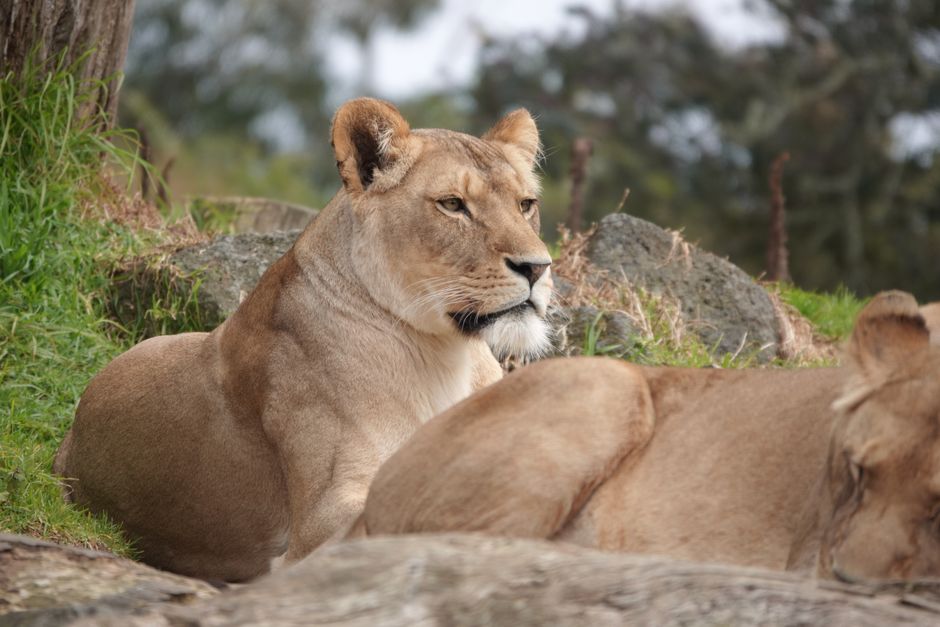
- Africa – This zone features species from the African savannah and woodland, including some of the zoo’s most recognisable animals. The large open spaces are designed to mimic natural habitats.
- Australia – Meet the distinctive wildlife of our nearest neighbour, including kangaroos, wallabies, and other Australian natives in thoughtfully designed enclosures.
- Sri Lanka – A relatively new addition that highlights the wildlife of this island nation, with species that reflect the region’s tropical forests and wetlands.
- South America – This area showcases creatures from the Amazon and beyond, including monkeys, birds, and reptiles that call South America home.
- Te Wao Nui – The zoo’s dedicated New Zealand zone is a highlight for anyone wanting to see native species. This section recreates six different habitats from around Aotearoa, from the coast to the high country. It is the best place to encounter our unique flora and fauna in a single walk-through experience.
- KidZone – Designed with younger visitors in mind, this area offers close-up encounters with farmyard and domestic animals. It is a hands-on space where children can learn about animal care and behaviour.
The zoo covers between 16 and 17 hectares, depending on the source you check, and the layout is easy to navigate on foot. Comfortable walking shoes are essential, especially if you plan to see every zone. The paths are generally pram and wheelchair friendly, and there are rest spots and cafes throughout the grounds.
Conservation and Accreditation
Auckland Zoo is more than a place to see animals; it is an active conservation organisation with a strong environmental record. The zoo is owned by Auckland Unlimited, a council-controlled organisation, and operates as a not-for-profit entity. All revenue from admissions, parking, and events goes back into animal care, habitat maintenance, and conservation programmes.
The zoo holds several notable accreditations that reflect its commitment to high standards. It is a full institutional member of the Zoo and Aquarium Association (ZAA), and also belongs to the World Association of Zoos and Aquariums (WAZA) and the European Association of Zoos and Aquaria (EAZA). In addition, the site is ISO 14001 accredited for environmental management, certified net carbonzero, and holds Qualmark EnviroGold status. These credentials mean that when you visit, you are supporting an organisation that takes its environmental responsibilities seriously.
The animal counts vary depending on the data source. The zoo’s own website states there are at least 130 species and over 2,800 animals, while Wikipedia records 135 species and more than 1,400 animals. The difference likely comes from variations in counting methods or the timing of the data. Either way, the number of species and individuals on site is substantial, and the collection is managed with professional care.
Seasonal Events: Dinosaur Nights and Lights
One of the zoo’s most popular seasonal events is Dinosaur Nights & Lights, which runs from Friday 3 July to Saturday 18 July each year, from 5:30pm to 8:30pm. This evening experience transforms parts of the zoo into a prehistoric landscape with 20 animatronic dinosaurs representing 15 different species. The glowing trail and life-sized moving dinosaurs create a memorable outing for families and dinosaur enthusiasts alike. Pre-booking is essential because this event often sells out. Check the zoo’s official website for dates and availability, as the exact schedule can vary from year to year.
Dinosaur Nights & Lights is a good example of the seasonal programming that Auckland Zoo offers throughout the year. It is worth keeping an eye on the zoo’s events calendar for other special evenings, such as the annual High Tea event, though specific details like pricing and menus change seasonally and are best confirmed directly with the zoo.
Tips for Your Visit to Auckland Zoo
To get the most out of your day, arrive by 10am to beat the busiest period and give yourself a full five hours or more before the 4:30pm closing. Wear comfortable walking shoes, bring a rain jacket in case of Auckland’s famously changeable weather, and pack sunscreen and a water bottle for summer visits. The zoo has cafes and food outlets, but you are also welcome to bring your own picnic. There are plenty of shaded tables and grassy areas, especially near the Western Springs side of the property.
If you are visiting with children, pick up a map at the entrance and plan a route that matches their energy levels. KidZone is a natural drawcard for little ones, while Te Wao Nui offers a calm, educational experience that suits all ages. The zoo is also a great option for solo travellers and couples who enjoy wildlife photography. Early mornings and late afternoons offer the best light for photos and the most active animals.
Parking is straightforward but fills up quickly on weekends and during school holidays. Arriving early also helps you secure a spot close to the entrance. If the main carpark is full, there may be overflow parking on nearby streets, but check the signs carefully for any parking restrictions.
Frequently Asked Questions
How long does a visit to Auckland Zoo usually take?
Most visitors spend between three and five hours exploring the zoo. If you want to see every exhibit, attend a talk or feed, and take a break for lunch, plan for a full half-day. Arriving at opening time gives you the best chance to see everything at a relaxed pace.
Is there a place to store bags or luggage?
The research pack does not specify whether luggage storage is available at the zoo. If you are travelling with bags, it is best to contact the zoo directly before your visit or use the luggage storage options in central Auckland. A small daypack with essentials is the most convenient option.
Can I bring my own food and drinks into the zoo?
Yes, you are welcome to bring your own picnic and drinks. There are plenty of benches, tables, and grassy areas throughout the grounds where you can sit and eat. The zoo also has cafes if you prefer to buy food on site.
Is the zoo suitable for people with mobility challenges?
Yes, the zoo is designed to be accessible. There are accessible parking bays in the Motions Road carpark, and the main pathways are suitable for wheelchairs and prams. Motorised scooters may be available for hire; it is best to check with the zoo in advance to confirm availability and pricing.
Whether you are visiting for the first time or returning after many years, Auckland Zoo offers a rewarding experience that connects you with wildlife from New Zealand and around the world. The combination of spacious exhibits, strong conservation ethics, and seasonal events makes it a worthwhile addition to any Auckland itinerary. Plan ahead, arrive early, and enjoy a day out that supports a good cause.