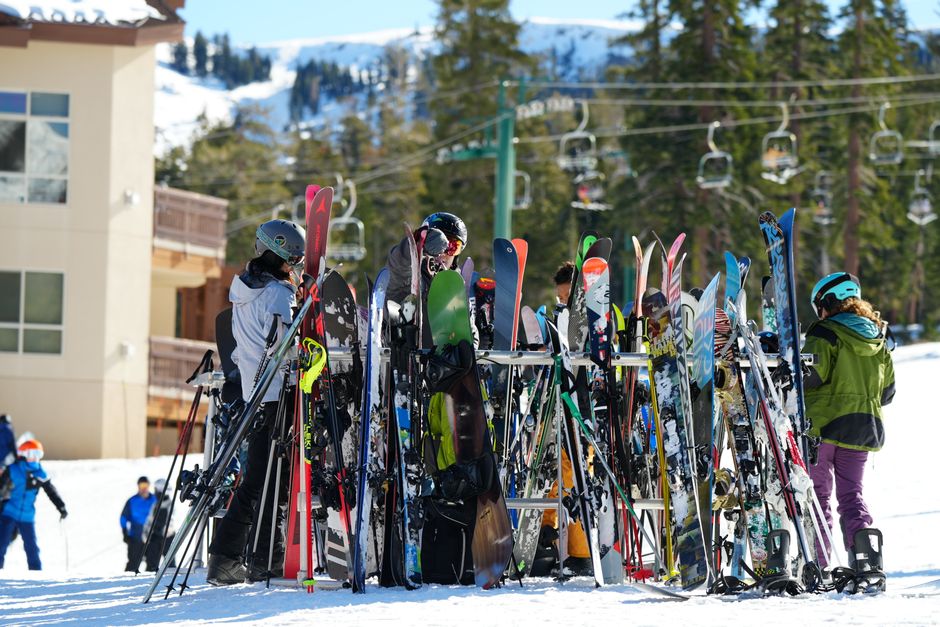
Ohakune New Zealand skiing. Ohakune has earned its place as one of the North Island’s best known ski towns. The village sits close to the south-western slopes of Mt Ruapehu, the mountain fills the view from autumn through to spring, and for a few months each year the whole town revolves around snow. Two world-class ski areas operate on Mount Ruapehu in winter, Tūroa on the southern side and Whakapapa on the northern side, and Ohakune has long been the natural base for the southern one. This guide covers what each ski area offers, how far the slopes are from the village, and the practical details worth sorting before you leave home.
Why Ohakune Is a Winter Playground
Ohakune is well known in New Zealand as a winter playground, and the reason is obvious the moment you drive into town. The dramatic slopes of Ruapehu shimmer in the distance from autumn to spring, beckoning skiers and snowboarders up the mountain road. The village sits within reach of Tongariro National Park, a dual World Heritage area, and Mount Ruapehu rises from the heart of the North Island rather than from any coastal range.
The mountain itself is volcanic, and its terrain is formed by solidified lava. That geology shapes everything about the skiing here. The runs follow old flows, the upper slopes are wide and open, and the whole experience feels quite different from the manicured pistes of a European resort. In winter, two world-class ski areas run on the maunga, and between them they provide some of the most exhilarating skiing and snowboarding in the country.
Because Ohakune is the main service town for the southern ski area, it fills with cars, roof boxes and rental vans through the season. Book accommodation early if you plan to travel during school holidays, and expect the village to be livelier midweek than a typical small town at other times of year.
Tūroa Ski Area: Ohakune’s Home Mountain
Tūroa is the main ski area for Ohakune and the one most people mean when they talk about skiing from the village. It sits on the south-western slopes of Mt Ruapehu, roughly 19 kilometres from the centre of Ohakune, which works out to about a 25-minute drive up the mountain road. Tūroa is one of New Zealand’s largest ski areas, and it holds the longest vertical descent in the country at 722 metres. The terrain is expansive, with something on offer for a wide range of ability levels, and the ski area also sells multi-day passes for people planning more than a single day on the snow.
Driving Up to Tūroa from the Village
The drive from Ohakune to Tūroa takes around 25 minutes in normal conditions, but mountain roads have their own rules. Tūroa publishes a snow report and snow cams on its official website, and these are the quickest way to check what you are driving into before you leave the village. Road status, chain requirements and lift operations can all change through the day, so treat the official channels as your first stop every morning of your trip rather than relying on yesterday’s forecast.
Passes, Lessons and Booking Ahead
Tūroa offers multi-day passes, which suits anyone staying in Ohakune for a week or a long weekend. Pricing, season dates, lesson availability and rental options change from year to year, so confirm the current details directly with the ski area before you book anything else. During school holidays, lessons and gear hire are the first things to sell out, and locking those in early takes a lot of stress out of the first morning.
Whakapapa Ski Area on the Northern Slopes
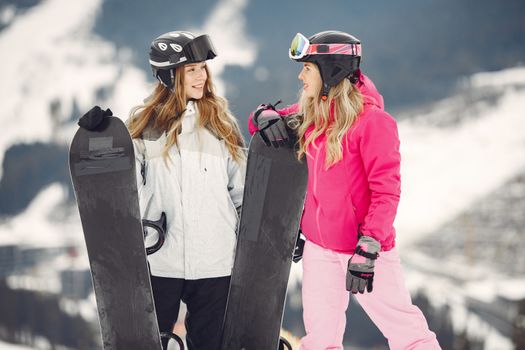
Whakapapa sits on the north-western slopes of Mt Ruapehu and is New Zealand’s largest ski area, with over 65 trails spread across 1050 hectares. It is on the far side of the mountain from Ohakune, so a day there means a longer drive around the maunga. Plenty of people based in Ohakune still make the trip, because the two areas ride differently and a single holiday is a good chance to sample both.
Whakapapa describes itself as New Zealand’s best place to learn on snow. Its Snow School runs friendly ski and snowboard lessons from Levels 1 to 5 for all ages and abilities, which makes it a strong choice for families with first timers in the group. In summer, Whakapapa keeps operating with sightseeing trips aboard the Sky Waka gondola, food and beverage options, and marked walks. Tūroa is also working towards a summer offering, with food, drink and other activities in development, so the mountain is gradually becoming a year-round destination rather than a winter-only one.
Tūroa and Whakapapa at a Glance
The two ski areas serve different purposes for anyone staying in Ohakune. This table pulls together what the official sources say about each.
Feature | Tūroa | Whakapapa |
|---|---|---|
Position on the mountain | South-western slopes of Mt Ruapehu | North-western slopes of Mt Ruapehu |
Distance from Ohakune | About 19 km from the village centre, roughly a 25-minute drive | On the other side of the maunga, so allow extra travel time and check current routes with official sources |
Size | One of New Zealand’s largest ski areas | New Zealand’s largest ski area, with over 65 trails on 1050 hectares |
Vertical descent | Longest vertical descent in New Zealand at 722 metres | Check the official Whakapapa site for current figures |
Learning to ski | Terrain suited to a range of abilities | Snow School lessons from Levels 1 to 5 for all ages and abilities |
Multi-day passes | Available | Check the official site for current pass options |
Summer activities | Summer offering in development | Sky Waka gondola sightseeing, food and drink, marked walks |
Learning to Ski or Snowboard Around Ohakune
For complete beginners, the choice of ski area matters as much as the choice of town. Whakapapa leans hard into its reputation as the country’s best place to learn on snow, with structured Snow School lessons running from Level 1 up to Level 5 and programmes designed for every age group. Tūroa covers a broad range of abilities too, from gentler slopes through to more challenging descents, so neither area shuts out new riders.
A few things make the first day easier. Book lessons before you arrive, arrive early enough to sort gear without rushing, and be honest about your ability when you sign up so you land in the right group. If your group is mixed, splitting into a lesson and a free-riding pair for the morning often works better than trying to keep everyone together on terrain that suits nobody. Rental options and lesson times are listed on the official ski area websites, and those pages are the ones to trust over any second-hand advice.
When to Go and How to Beat the Crowds
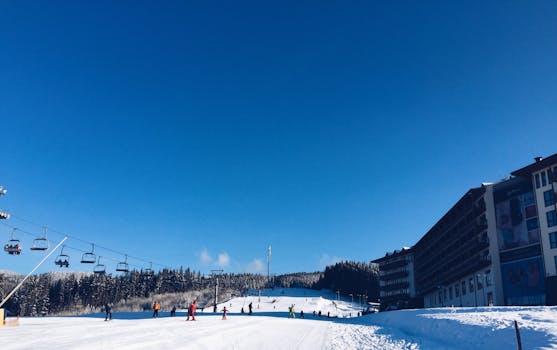
The ski season sits in the winter months, when both world-class areas on the mountain are operating. The slopes of Ruapehu are visible from Ohakune from autumn right through to spring, so the shoulder weeks either side of the main season can still deliver good conditions.
Crowds are the main thing that shapes a day on Ruapehu. Weekends and school holidays are the busiest periods, and car parks, lift queues and rental desks all feel the pressure on those mornings. Midweek visits are noticeably quieter. If you have any flexibility in your dates, watching the snow report and picking a clear, calm window will give you a better day than sticking rigidly to a plan made weeks earlier. Check the official snow reports, webcams, and road status before every drive up, and confirm season dates, opening hours and pass prices with the ski areas themselves, since these details change through the season.
What to Pack for a Day on the Mountain
Ruapehu’s weather can shift quickly, and the difference between the village and the upper slopes is real. Layering is the simplest way to stay comfortable, because you can strip down on a warm, still afternoon and bundle up again when the wind picks up.
-
A waterproof outer jacket and pants, since wet snow soaks through casual gear fast.
-
Thermal base layers and a warm mid layer, plus a spare pair of gloves.
-
Goggles and sunglasses, as visibility and glare change constantly on the snow.
-
Sunscreen and lip balm, because sun on snow burns quickly even on a cold day.
-
Water, snacks and a packed lunch if you want to avoid peak-time queues at the cafes.
-
A change of clothes and footwear for the drive back to Ohakune.
If you are hiring gear, confirm what is included before you travel so you are not paying twice for the same items. Helmets and wrist guards are worth asking about, particularly for children and anyone new to the sport.

Making the Most of Ohakune New Zealand Skiing Off the Slopes
The village is more than a place to sleep between ski days. Ohakune has a long-standing reputation as a winter destination, and the town’s atmosphere through the season reflects it, with the mountain as a constant backdrop and a steady flow of people coming and going from the access road. Because it sits close to Tongariro National Park, the surrounding area also offers plenty beyond the lifts, which makes it a sensible base for a mixed group where not everybody wants to ski every day.
If you are travelling outside winter, the region still works. Whakapapa runs gondola sightseeing, food and drink, and marked walks in summer, while Tūroa continues to develop its own summer offering with food, beverage and activities. Planning a trip around those options gives you a second reason to visit Ohakune that has nothing to do with snow.
Frequently Asked Questions
Is Mt Ruapehu in Ohakune?
No. Mount Ruapehu rises from Tongariro National Park, a dual World Heritage area, rather than from within the town. Ohakune is a base village on the mountain’s south-western side, and the closest ski area, Tūroa, sits roughly 19 kilometres from the village centre, which is about a 25-minute drive. Think of Ohakune as the gateway, not the slopeside address.
Which ski area is closest to Ohakune?
Tūroa is the main ski area for Ohakune and the closest of the two. It sits on the south-western slopes of Mt Ruapehu, about 19 kilometres from the centre of the village and roughly a 25-minute drive up the mountain road. Whakapapa, on the north-western slopes, sits on the other side of the maunga and takes longer to reach from Ohakune.
Is Ohakune a good place to learn to ski or snowboard?
It can be. Whakapapa describes itself as New Zealand’s best place to learn on snow, with Snow School lessons from Levels 1 to 5 for all ages and abilities. Tūroa also caters to a broad range of abilities, from gentler slopes through to challenging descents. Book lessons well ahead during school holidays, when demand is highest.
How long is the vertical descent at Tūroa?
Tūroa boasts the longest vertical descent in New Zealand at 722 metres, which is a big part of its appeal for anyone staying in Ohakune. The ski area is also one of the largest in the country and offers multi-day passes for people riding across several days. Confirm current lift hours and pass details with the official Tūroa channels before you travel.
Do I need to check conditions before driving up to the ski area?
Yes, and it should be part of your morning routine. The ski areas publish snow reports and webcams, and road status can change quickly on the mountain. Check those official pages before you leave Ohakune, allow extra time in poor weather, and remember that conditions near the top often differ from what you see from the village.