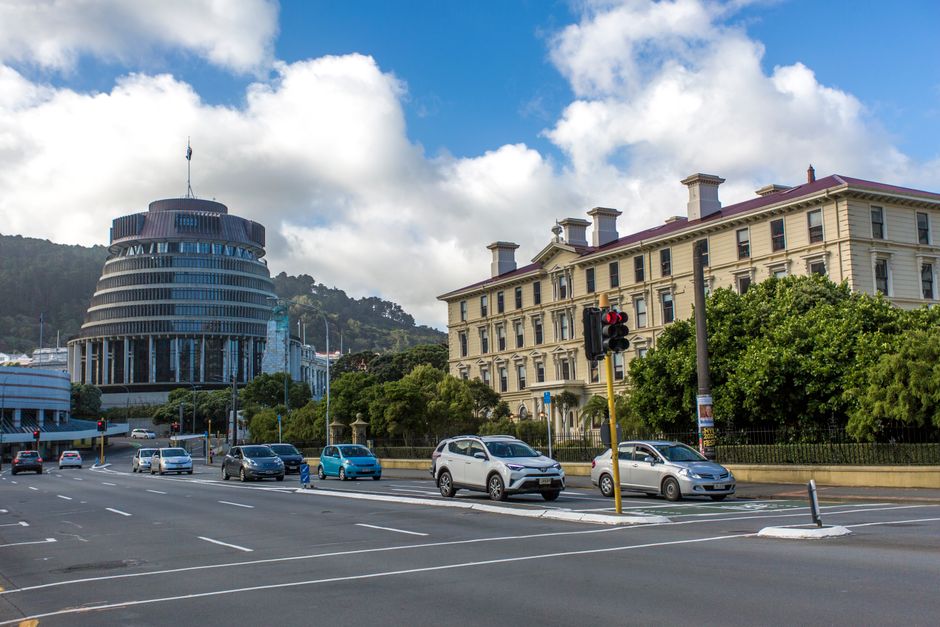
Wellington is home to the Museum of New Zealand Te Papa Tongarewa, the country’s national museum and the most popular attraction on TripAdvisor in all of New Zealand. Known simply as Te Papa (which means “our place” in te reo Māori), this six-storey waterfront museum offers a deep dive into Aotearoa’s art, history, natural environment, and cultural heritage. With general admission free for New Zealand residents and a rotating lineup of world-class exhibitions, it is a must-visit stop on any Wellington itinerary. This guide covers everything you need to know about Museum of New Zealand Wellington.
A Brief History of Te Papa
Te Papa opened its doors on 14 February 1998, born from the merger of the former National Museum and National Art Gallery. The museum was designed from the start as a bicultural institution, operating under a philosophy that emphasises the living stories behind the taonga (treasures) it holds. Over its more than 25 years of operation, Te Papa has welcomed nearly 34 million visitors and has grown to hold more than two million objects across art, natural history, history, Māori, and Pacific cultures. Its director is Courtney Johnston, with Arapata Hakiwai serving as Kaihautū, reflecting the museum’s commitment to Māori leadership and partnership. Te Papa is not just a collection of exhibits; it is a place where the stories of Aotearoa are told from both indigenous and settler perspectives.
Location and Practical Information
Where to Find Te Papa
Te Papa is located on Wellington’s waterfront, making it easy to find whether you are arriving on foot, by car, or on public transport. The building stretches across 36,000 square metres and rises six storeys, making it the largest museum in New Zealand. Its prominent position on the harbour means you can combine a visit with a walk along the waterfront or a coffee at one of the nearby cafés. The address is 55 Cable Street, Wellington, but the museum is visible from many points along the city’s central waterfront strip.
Opening Hours and Admission
Te Papa is open daily from 10am to 6pm. The only day it closes each year is Christmas Day, so you can plan a visit on most public holidays and weekends. General admission is free for New Zealand residents, which means you can explore the permanent galleries without paying a cent. If you are an international visitor, it is best to check the official Te Papa website for the most up-to-date admission policy, as the information can change. Some special exhibitions may carry an entry fee, but the vast majority of the museum’s highlights are included in the free general admission.
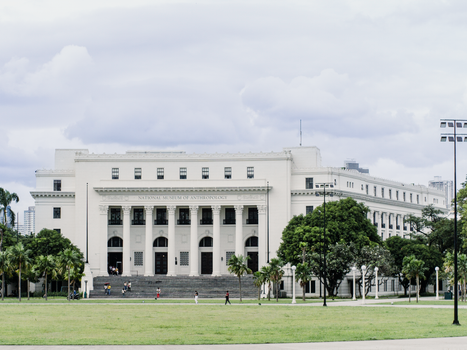
What to See at Te Papa Museum of New Zealand Wellington
The museum’s collections span five areas: Art, History, Pacific, Māori, and Natural Environment. Within these collections, several permanent exhibitions stand out as absolute must-sees.
Gallipoli: The Scale of Our War
This exhibition is arguably Te Papa’s most famous. Created in partnership with Wētā Workshop, the Wellington-based effects company behind The Lord of the Rings films, “Gallipoli: The Scale of Our War” features larger-than-life models of real New Zealand soldiers, built at 2.4 times human size. The exhibition tells the story of the Gallipoli campaign through the eyes of eight individuals, combining personal accounts with stunning, lifelike figures. Due to its ongoing popularity, the exhibition has been extended and will continue until April 2032. If you are visiting before then, make sure you allocate extra time for this powerful and moving experience.
Te Taiao Nature
For lovers of the natural world, Te Taiao Nature is the museum’s dedicated natural environment exhibition. It showcases New Zealand’s unique flora and fauna, including the famous colossal squid specimen. The gallery also explores geological forces that have shaped the land, such as earthquakes and volcanoes, and highlights the conservation work happening to protect native species. Interactive elements make it a hit with children and adults alike.
Toi Art
As the primary art gallery within the national museum, Toi Art presents a rotating selection of works from Te Papa’s extensive art collection. You will find everything from historic colonial paintings to contemporary Māori and Pacific art, as well as international works. The gallery space itself is designed to welcome visitors into the world of visual art with ample seating and clear labels.
Bush City
Bush City is an outdoor exhibition that runs along the side of the museum, simulating a New Zealand forest environment. It includes a rocky cave, a suspension bridge, and native plantings that give city dwellers a taste of the outdoors. It is free to wander through and provides a nice break between indoor galleries.
Māori and Pacific Collections
Te Papa holds one of the most important collections of Māori taonga in the world, as well as significant objects from across the Pacific. The museum’s bicultural approach means these items are displayed with deep respect for their cultural context. Look out for the carving of the great house Te Hau-ki-Tūranga, a masterpiece of Māori carving from the 1840s, and the Pacific navigation displays that tell stories of voyaging and settlement.
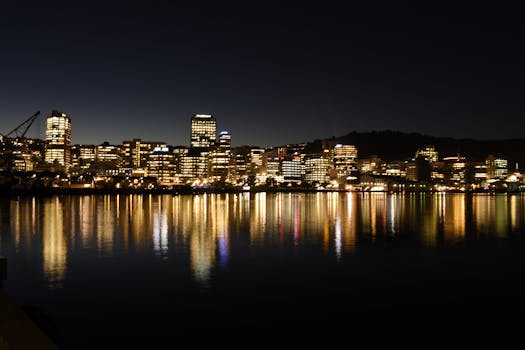
Te Papa vs Wellington Museum: What’s the Difference?
It is easy to confuse Te Papa with the Wellington Museum, but they serve different purposes. Wellington Museum, also known as Te Waka Huia o Ngā Taonga Tuku Iho, is a regional museum housed in a historic 1892 building on the harbour. While Te Papa tells national and international stories, Wellington Museum focuses specifically on the history and people of the Wellington region. The table below summarises the key differences.
Feature | Te Papa (National Museum) | Wellington Museum (Regional Museum) |
|---|---|---|
Scope | National – art, history, natural environment, Māori, Pacific | Regional – Wellington City’s stories and culture |
Building | Purpose-built in 1998, 36,000 sqm, 6 storeys | Historic 1892 building |
Admission | Free for New Zealand residents (some special exhibitions may charge) | Free entry for residents (check current policy) |
Key Exhibition | Gallipoli: The Scale of Our War (until 2032) | Varied, often including Māori and settler history of the region |
Visitor Numbers | Averages over 1.1 million annually | Smaller foot traffic |
If you have time, both are worth visiting. Te Papa requires at least half a day to see the highlights, while Wellington Museum can be enjoyed in an hour or two. They are only a short walk apart along the waterfront.
Visitor Tips for Your Te Papa Trip
To make the most of your visit, allow two to three hours for the permanent galleries, more if you plan to see a special exhibition. Start on the top floor and work your way down to the entrance level. The museum has a café and a gift shop, so you can refuel without leaving the building. Te Papa is fully wheelchair accessible, and free Wi-Fi is available throughout. Because it is the most visited museum in Oceania, it can get busy during school holidays and weekends; arriving just after opening at 10am is a good strategy for a quieter experience. Bring a camera – photography is allowed in most areas, though some temporary exhibitions may restrict it.
Frequently Asked Questions
Is Te Papa free for international visitors?
The museum’s official policy states that general admission is free for New Zealand residents. International visitors are also admitted without a fee in most cases, but the museum does not explicitly advertise free entry for all. Check the official Te Papa website before your visit to confirm the current rules for non-residents.
How long should I plan to spend at Te Papa?
Most visitors find that two to three hours is enough to see the permanent exhibitions thoroughly. If you want to include the Gallipoli exhibition and spend time in the gift shop and café, plan for a full half-day. Bush City can be explored in 20 minutes.
What is the most popular exhibition at Te Papa?
The Gallipoli: The Scale of Our War exhibition is the most famous. It features models made by Wētā Workshop at 2.4 times human size and has been extended until April 2032 due to popular demand. It is considered a must-see for anyone visiting Wellington.
Can I take photos inside Te Papa?
Yes, photography is permitted in most of the permanent galleries. Flash and tripods may be restricted in certain areas, especially near fragile taonga. Always check signage at the entrance to each exhibition space.
What else is near Te Papa on the waterfront?
Te Papa is surrounded by Wellington’s waterfront attractions. You can walk to the Wellington Museum, the City Gallery, the cable car, and the many cafés and restaurants on the harbour. The park areas outside the museum are perfect for a picnic after your visit.