Some parts of New Zealand feel as though they belong at the very edge of the map. The Far North New Zealand is exactly that kind of place. Sitting at the top of the North Island, this is the furthest north you can travel in Aotearoa New Zealand before the land gives way to open sea. For travellers who love dramatic coastlines, genuine cultural experiences and the freedom of the open road, the Far North delivers on every count.
This is also the most remote and dramatic region of Northland. It is often described as stretching from the northern edge of the Bay of Islands all the way to Cape Reinga. Along the way you will find windswept beaches, native bush and some of the most scenic coastal drives in the country. The journey north from Auckland gradually changes character, and by the time you reach the Far North you will understand why so many people rate it so highly.
What Exactly Counts as the Far North New Zealand?
In official terms, the Far North District is the northernmost territorial authority district of New Zealand. It covers the northern part of the Northland Peninsula, the long finger of land that reaches up from the rest of the North Island towards Cape Reinga. The council for this district is known as the Far North District Council, and its main offices are headquartered in Kaikohe.
Travel guides often use the name Far North in a looser way, and that is the definition most visitors will find useful. In this sense, the region runs from the northern edge of the Bay of Islands to Cape Reinga. The wider Northland region sits below it and covers all the area up to Cape Reinga at the northern tip of New Zealand. For trip planning, think of the Far North as the top layer of the North Island, the part you reach after the main tourist towns are behind you.
For first-time visitors, understanding the scale of the Far North is half the battle. The district is not a single town or a single beach; it is a collection of communities, harbours and coastlines spread over a substantial area. Build your itinerary around regions rather than individual attractions, and you will waste less time criss-crossing the map.
A Region With Many Names
The Far North is a land of many names. Depending on who you talk to, you will hear it called the Top of the North, Muriwhenua or Te Hiku-o-te Ika-a-Māui. These names are not just alternatives; they reflect different ways of understanding the same landscape. English speakers tend to talk about geography and distance, while Māori names often connect the area to creation stories and the living history of the land.
The name difference matters for travellers because it sets the tone for the whole visit. This is not simply the end of a road trip. It is a region where cultural roots run deep and where the landscape has been shaped by human history as much as by wind and tide. Take the time to learn a few of the local names before you arrive, and the places you visit will carry much more meaning.
Nature at Its Most Dramatic
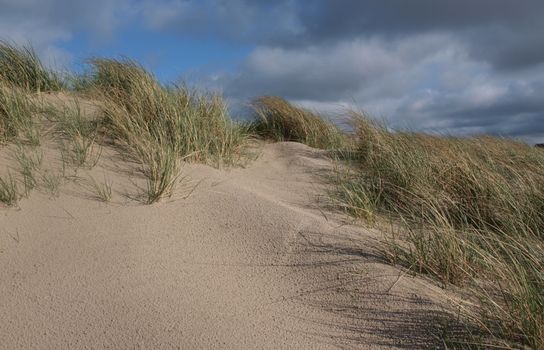
The Far North is home to some of New Zealand’s most captivating natural landscapes, and the range of scenery is impressive for such a compact region. One day you might be walking through ancient forest, and the next you will be standing on a dune looking out over a beach that seems to stretch forever. The coastlines are the main draw for most visitors, but the bush and farmland behind the coast have their own quiet appeal.
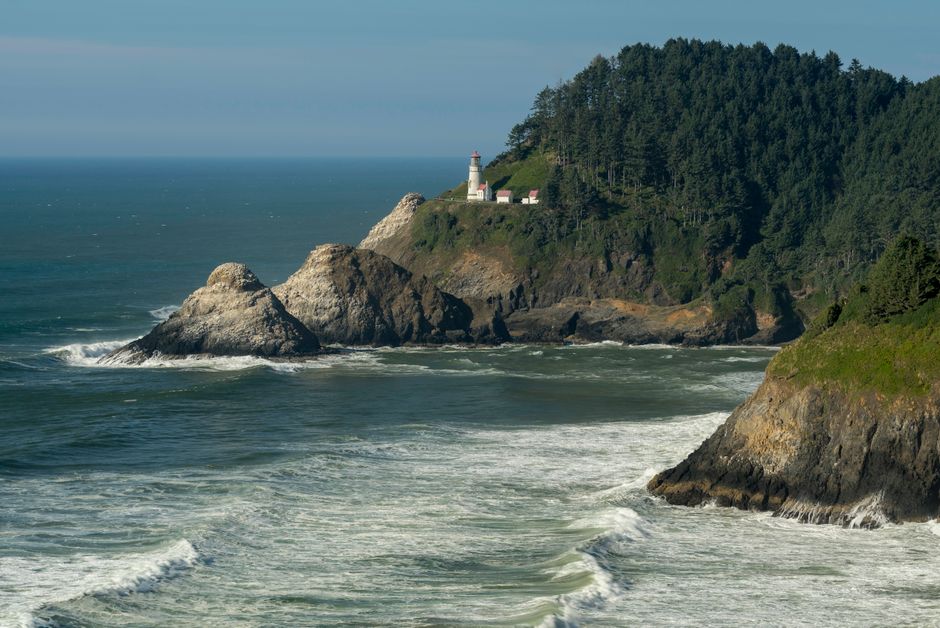
Cape Reinga is the landmark that most people associate with the Far North. It sits at the very tip of the North Island and draws travellers who want to stand at the furthest point of the country. The wild coastline around the cape is a reminder of how exposed this part of New Zealand is. Expect wind, big skies and views that make the long drive north feel completely worthwhile.
Māori Heritage and Cultural Discovery
The Far North is steeped in Māori heritage, and many visitors say this is the aspect of the region that stays with them longest. Long before European settlement, this part of the North Island was home to communities who lived close to the land and sea. Their stories are written into the place names, the headlands and the meeting houses that still stand in small settlements today.
Approach the Far North as a place for cultural discoveries rather than just a checklist of beaches and lookouts. The best experiences tend to come from slowing down, asking questions and respecting the local protocols that apply at important sites. Māori culture is alive here, not something preserved behind glass, and visitors who recognise that will find the region far more rewarding.
Why the Far North is Perfect for a Road Trip
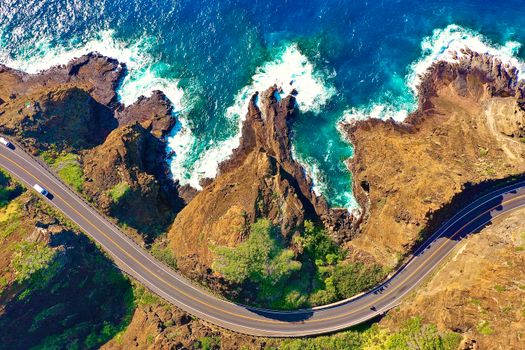
The Far North is ideal for road trips and cultural discoveries, which is why so many visitors choose to explore it by car or campervan. Distances can fool you on a map. Roads wind around harbours and inlets, so places that look close together can take longer than expected. Having your own transport means you can set your own pace, chase the sun and stop whenever a view demands attention.
The drive from Auckland to the top of Northland is a significant journey in itself. The Northland region covers all the area up to Cape Reinga, and the drive from Auckland to Cape Reinga can take around six hours, so treat it as part of the holiday. Build in stops along the way, watch the weather forecast and leave plenty of time for the Far North itself. You will want time to explore the coast, walk some trails and simply sit and watch the light change over the water.
Local travellers often note that Northland, including the Far North, has more than its share of hidden gems. That sense of discovery is part of the appeal. You can follow a signed route one day and spend the next simply pulling over whenever a track or a viewpoint catches your eye.
Practical Notes for Planning Your Visit
When it comes to local government and official services, the Far North District Council is the territorial authority for the district of Aotearoa New Zealand that bears its name. Its headquarters are in Kaikohe, which makes that town the administrative hub of the region. For most visitors, practical planning means working out how many days to allow, where to stay and which side of the coast to visit first.
There is no single correct route through the Far North. Some travellers head straight to Cape Reinga and then work their way back down the coast, while others prefer to base themselves in a few different spots and take day trips in several directions. Whichever approach you choose, the Far North rewards a relaxed timetable. The region feels remote and dramatic precisely because it takes time to reach, so try not to rush the experience.
A Final Thought on the Far North Experience
The Far North is one of those destinations that asks something from its visitors. Because it is remote, travel times are longer and plans need to be flexible. Because the weather can be changeable, packing needs thought. But the pay-off is a region that feels genuinely different from the rest of the North Island, with coastlines and cultural experiences that stay in the memory long after the car is unpacked.
Some visitors spend two nights, while others stay a week or more. The right answer depends on how much driving you enjoy and how deeply you want to explore. Either way, the Far North will show you a side of New Zealand that other travellers often miss.
Frequently Asked Questions
Here are answers to a few of the questions travellers ask most often about the Far North.
Why should I visit the Far North of New Zealand?
The Far North rewards travellers who appreciate big skies, open coastlines and a slower pace. It is the most remote and dramatic region of Northland, stretching from the northern edge of the Bay of Islands to Cape Reinga. Stunning coastlines, ancient forests and strong Māori heritage make it ideal for road trips and cultural discoveries, and the sense of reaching the very top of the country is hard to beat.
How long does it take to drive from Auckland to the Far North?
The Northland region covers all the area up to Cape Reinga, and the drive from Auckland to that northern tip takes around six hours of driving time. Most travellers break the journey, especially because the Far North itself runs from the northern edge of the Bay of Islands to Cape Reinga. Plan for a full day if you want to enjoy the drive rather than simply endure it.
Is the Far North the same as Northland?
Not quite. The Far North District is the northernmost territorial authority district of New Zealand and covers the northern part of the Northland Peninsula. Northland is the wider region that lies beneath it, reaching all the way to Cape Reinga at the northern end. When travel sources describe the Far North, they usually mean the scenic stretch between the northern edge of the Bay of Islands and Cape Reinga.
Where is the Far North District Council based?
The Far North District Council is the territorial authority for the Far North District of Aotearoa New Zealand, and it is headquartered in Kaikohe. While most travellers will not need to visit a council office, it is helpful to know that Kaikohe is the administrative centre of the region. Council services and official information for the district are coordinated from this central town.