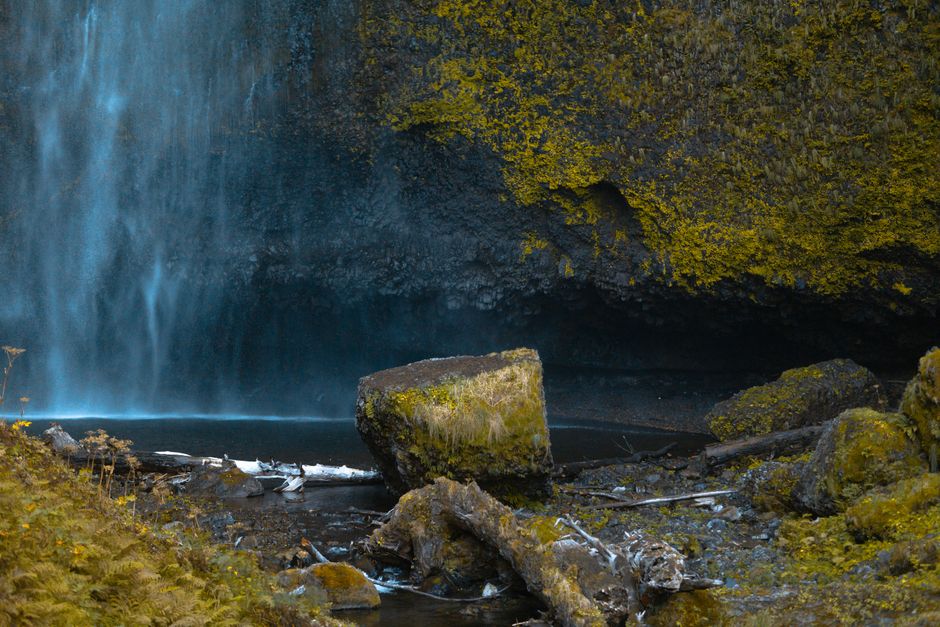
Whangarei Falls, New Zealand. Whangārei Falls is one of those Northland stops that delivers a lot of reward for very little effort. Tucked into the Whangārei Scenic Reserve in the suburb of Tikipunga, the 26.3 metre waterfall drops over a broad basalt cliff face into a wide plunge pool on the Hātea River. Because it sits only about 10 minutes from the Whangārei city centre, it works just as well as a quick leg-stretcher on a long road trip as it does for a relaxed family morning out.
The falls are officially known as Otuihau Whangārei Falls, though you will also see the name written without the macron as Whangarei Falls. They hold a long history in the area. For local Māori, the site was traditionally a productive eeling spot and was known as an area for healing. Those cultural roots make the reserve more than just a pretty viewpoint, and they are part of why the falls are so cherished by the community today.
Where is Whangarei Falls, New Zealand?
Whangārei Falls is located at 6 Ngunguru Road in Tikipunga, a short drive from the centre of Whangārei. The turnoff is well signposted from State Highway 1 on the right hand side when you are heading north, so it is easy to find even on your first visit. If you are coming from Auckland, budget around 2.5 hours of driving, with sealed roads the entire way. The combination of easy access and reliable roading makes this a popular stop for campervans, hire cars and families travelling through Northland.
The falls themselves are within easy reach of the car park and the site is well signed once you arrive. For anyone using a GPS, the viewpoint coordinates are S 35° 41′ 5.2146″ E 174° 20′ 9.2364″. It is a handy reference to have saved before you set off, particularly if you are navigating unfamiliar roads.
What makes the falls special?
Otuihau Whangārei Falls is a curtain-style waterfall, which means the water spills across a wide front rather than dropping in a single narrow stream. The broad basalt cliff face gives the falls a striking, almost stage-like appearance, and the plunge pool below is deep enough to invite a swim during the warmer months. Native bush frames the scene on all sides, so the setting feels green, sheltered and distinctly Northland.
The falls sit within the Whangārei Scenic Reserve, a space that is well loved by both locals and visitors. Thanks to its easy access, scenic walking tracks and well kept facilities, the falls are regularly counted among New Zealand’s must-visit natural attractions. You do not need a long tramp or any specialist gear to enjoy them, which is exactly why they appeal to such a wide range of people.
The Whangārei Falls walk
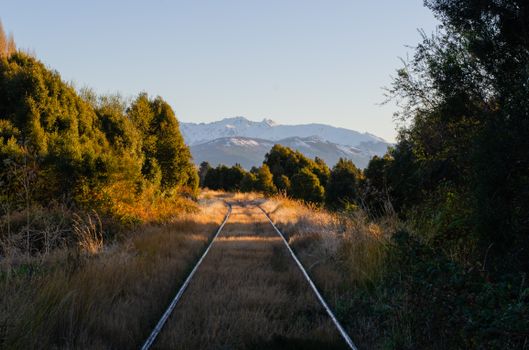
The quick answer to how long the walk takes is: not very long at all. The Whangārei Falls track is an easy loop of about 1 km, with a modest elevation gain of roughly 19 metres. Most visitors complete the circuit in around 15 minutes, although it is easy to stretch the visit into an hour or more once you factor in photos, a swim and time spent sitting on the picnic benches.
The track is rated easy, which makes it a practical choice for families with children, older walkers and anyone who is not looking for a workout. From the car park, the signed path leads you quickly to the main viewing area, and the falls reveal themselves sooner than you might expect. The elevation change is gentle, so you can focus on the bush, the birds and the growing sound of the water rather than on your footing.
If you have more time, the loop connects into the wider Whangārei Scenic Reserve, so there are options to extend your walk. For most visitors, though, the short loop is more than enough to make the stop worthwhile. It is one of the easiest waterfall walks you will find in Northland, and the payoff at the end is considerable.
Swimming at Whangārei Falls
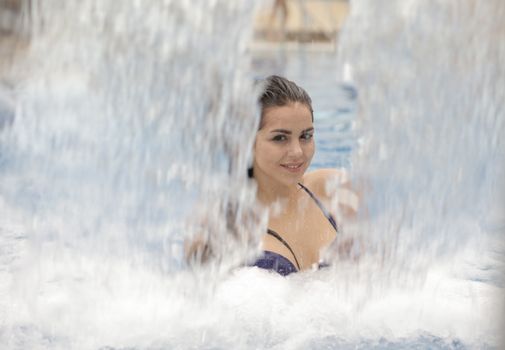
During the warmer months, the plunge pool at the base of the falls is a popular swimming spot. The water is cool and clear, and the setting is genuinely hard to beat. As with any natural waterway, conditions can change, so take care when entering the water and keep a close eye on children at all times. Swim to your own comfort level and be mindful of the rocks and moving water around the base of the falls.
If you prefer to keep your feet dry, the seating areas and viewing points near the falls offer plenty of space to sit back and take in the scene. The wide curtain of water, the bush-clad cliffs and the steady sound of the river combine to make a memorable stop, whether you visit in summer or on a quieter winter day.
Facilities and practical details
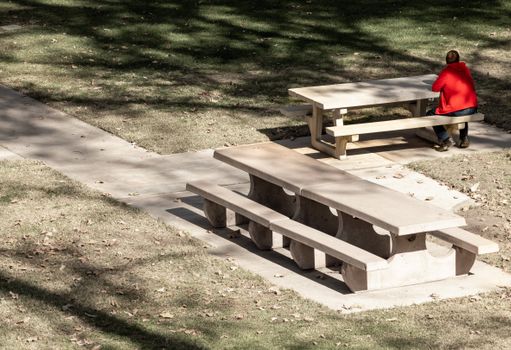
Whangārei Falls is well set up for visitors. The reserve has multiple picnic tables and seating areas, so it is an easy place to stop for lunch or a snack. Dogs are allowed on a leash, which makes it a handy break for those travelling with a pet. The car park is close to the track start, and the path to the falls is clearly signed.
Because the falls are so close to Whangārei city centre, you are only a short drive from cafes, shops and other amenities if you need them. Many visitors use the falls as a quick stop on a longer Northland road trip, while others build them into a full day exploring Whangārei and the surrounding region. Either way, the reserve provides a convenient, well maintained base for a rewarding break.
Cultural significance
The area around Whangārei Falls has a history that stretches back long before it became a tourist destination. The site was traditionally a productive eeling spot for local Māori, and it was known as an area for healing. These associations give the falls a cultural depth that is easy to miss if you simply walk in, take a photo and leave.
Visitors can honour that history by treating the reserve with respect. Stay on the marked tracks, carry out what you carry in, and keep dogs leashed so that the area remains beautiful and welcoming for everyone. Small choices like these help preserve the falls for future generations while keeping the experience positive for the local community.
Tips for visiting Whangārei Falls
- Allow at least 30 minutes for a relaxed visit, longer if you plan to swim or picnic.
- Bring togs and a towel if you want to take a dip in the plunge pool in summer.
- Pack a picnic; there are tables and seating throughout the reserve.
- Keep dogs on a leash, as required at the falls.
- Wear sensible footwear for the track, even though it is an easy walk.
- Stop at the main viewpoint before exploring further; it offers the classic view of the waterfall.
Frequently Asked Questions
Here are answers to a few common questions about visiting Whangārei Falls.
How long is the Whangārei Falls walk?
The main loop track is around 1 km and takes roughly 15 minutes to complete at an easy pace. It is rated easy, with about 19 metres of elevation gain, so most visitors find it very manageable. Allow extra time if you want to take photos, swim in the plunge pool or enjoy a picnic at one of the tables.
Do you need to walk far to see the falls?
No. Whangārei Falls is one of the most accessible waterfalls in Northland. The car park sits close to the track start, and the signed path leads quickly to the main viewpoint. Even visitors with limited time can see the falls comfortably, which is why it is such a popular option for families and road trippers passing through Whangārei.
What is the waterfall in Whangārei called?
The waterfall is known as Otuihau Whangārei Falls, although most visitors refer to it simply as Whangārei Falls. It drops 26.3 metres over a basalt cliff into the Hātea River, within the Whangārei Scenic Reserve in the suburb of Tikipunga. The name is also sometimes written without a macron as Whangarei Falls.
Can you swim at Whangārei Falls?
Yes, the plunge pool at the base of the falls is a popular swimming spot during the warmer months. Take care when entering the water, as natural waterways can change with recent weather, and keep a close eye on children. The surrounding picnic areas and seating make it a pleasant place to spend time even if you decide to stay dry.