About Lake Taupō: Size and Formation
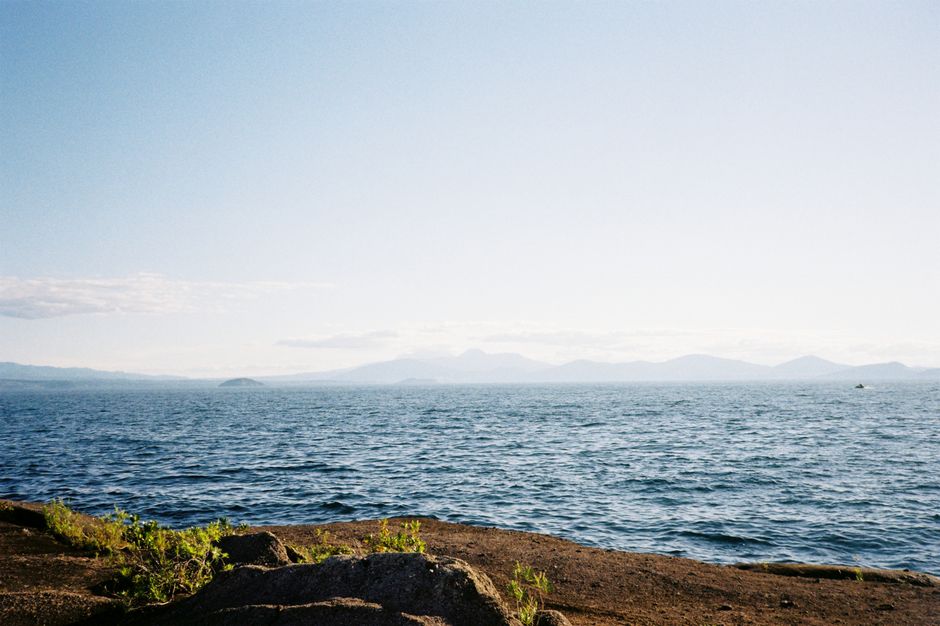
Lake Taupo in New Zealand is the largest freshwater lake in New Zealand and in all of Australasia. It sits in the caldera of the Taupō Volcano on the volcanic plateau of the central North Island. With a surface area of 234 square miles, it is roughly the size of Singapore. The lake was formed by a colossal volcanic eruption around 27,000 years ago. In Māori, it is known as Taupō-nui-a-Tia or Taupōmoana. The lake gives its name to the town of Taupō, which lies on its northeastern shoreline.
Because the lake occupies a volcanic crater, its depth and shape are unusual. It is a true crater lake, created when the ground collapsed after the supervolcano emptied its magma chamber. That eruption was one of the largest in Earth’s history, and the hollow eventually filled with water to become the lake we see today. Thousands of people visit each year to witness the result of this ancient geological event.
Things to Do on and around Lake Taupō
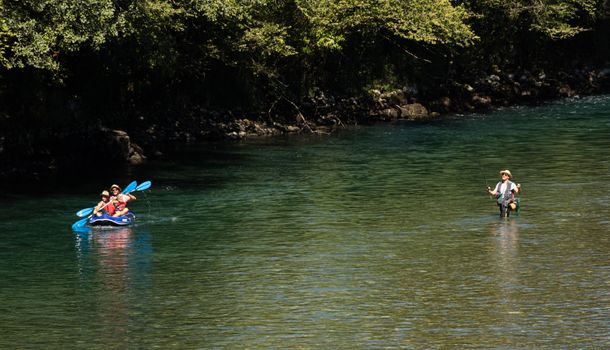
Lake Taupō is a fishing and boating paradise. The calm, clear waters make it ideal for water-skiing, sailing, kayaking, and jet boating. Anglers come from all over the world to cast a line for trout, and guided fishing charters are easy to organise. The lake’s size means you can always find a quiet spot or a lively stretch depending on what you are after.
Water Sports
Kayaking is one of the best ways to explore the lake. You can paddle close to the shore, venture out to small islands, or simply drift and take in the views. Sailing is also popular, with regular regattas and casual outings. If you prefer speed, jet boating and water-skiing are available from operators in Taupō township. The official Love Taupō website and the 100% Pure New Zealand guide highlight these water activities as key reasons to visit.
Huka Falls
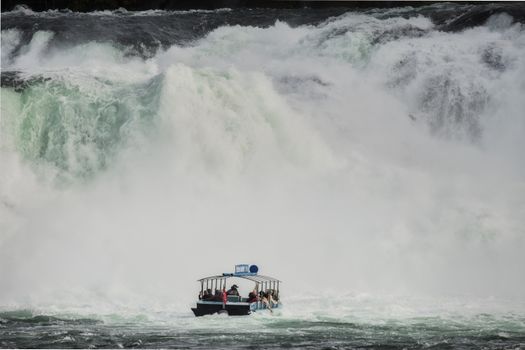
Just downstream from the lake, where the Waikato River begins its journey, Huka Falls is a spectacular waterfall that draws many visitors. The narrow canyon forces the river through a constriction, creating a powerful rush of turquoise water. It is an easy walk from the car park and a popular spot for photography. The falls are part of the Taupō experience and complement a day on the lake.
Hiking and Mountain Biking
The region around Lake Taupō offers excellent hiking and mountain biking. Trails wind through native bush, along the lakeshore, and up to viewpoints that overlook the lake. The Great Lake Trail is a multi-day mountain bike route that follows the western edge of the lake. For walkers, shorter tracks like the Spa Park to Huka Falls walk are family-friendly and rewarding.
Why Lake Taupo in New Zealand is a Unique Destination
Lake Taupō is not just any large lake. It is a volcanic wonder that formed from one of the most powerful eruptions in the planet’s history. This geology gives the lake a special character. The water is clean, the surrounding landscape is dramatic, and the town of Taupō offers all the services a traveller needs. Being located in the centre of the North Island, it is an easy stop for anyone on a road trip between Auckland and Wellington or heading south to the Tongariro National Park.
Many visitors come specifically for the lake itself. Its size means you can spend days exploring different parts of the shoreline, from sheltered bays to exposed rocky points. The lake is a year-round outdoor destination, and its popularity continues to grow as more people discover what makes it special.
Accommodation Options near the Lake
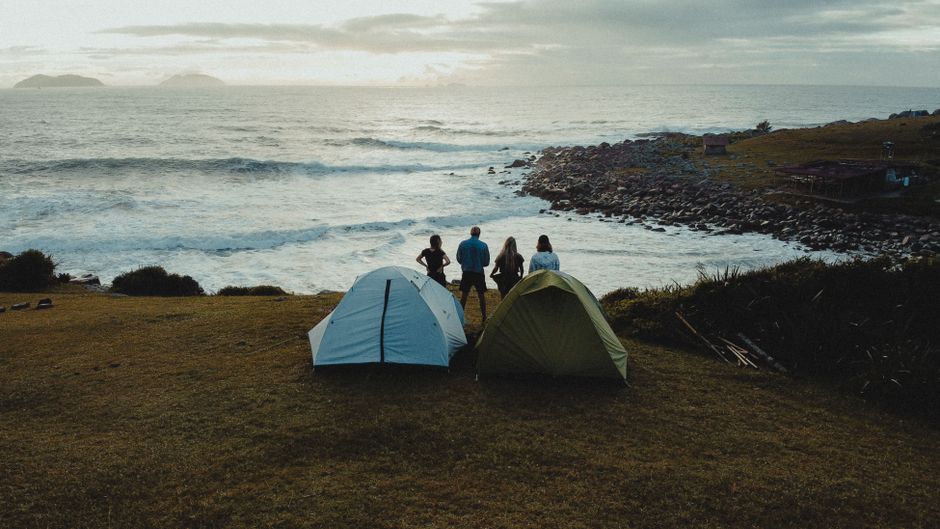
Where you stay can make a big difference to your lake experience. There are several campgrounds and holiday parks right on the water. For instance, Motutere Bay TOP 10 Holiday Park offers cabins, powered sites, and unpowered sites with the lake meeting your doorstep. Guests can enjoy magnificent sunsets and water activities straight from the shore. Other options include lodges, motels, and bed-and-breakfasts in Taupō town, many of which have lake views. For a more secluded stay, consider the eastern or western shores where smaller settlements provide a quieter base.
Practical Tips for Visiting
Lake Taupō is easily accessed by car, with State Highway 1 passing through Taupō township. Parking is available at most beaches and boat ramps. If you plan to fish, a licence is required and can be bought online or at local shops. The best time for water sports is during the warmer months from December to March, but the lake is beautiful in every season. Always check local weather conditions before heading out on the water, especially if you are kayaking or sailing, as winds can pick up quickly over such a large expanse.
Frequently Asked Questions
What is the Māori name for Lake Taupō?
The Māori name for Lake Taupō is Taupō-nui-a-Tia, also known as Taupōmoana. These names honour the ancestral explorer Tia and reflect the lake’s deep cultural importance to the local iwi. The name Taupō itself is used widely today.
How big is Lake Taupō compared to other lakes?
Lake Taupō is the largest freshwater lake in New Zealand and in Australasia. Its surface area is approximately 234 square miles, which is roughly the size of Singapore. It is not the largest lake in the world, but it is the biggest in this region by a significant margin.
What formed Lake Taupō?
The lake occupies a vast volcanic crater formed by a supervolcanic eruption about 27,000 years ago. That eruption was one of the largest ever recorded on Earth. The caldera eventually filled with rainwater and groundwater, creating the lake that attracts so many visitors today.
Is Lake Taupō good for fishing?
Yes, Lake Taupō is a famous fishing destination. It is considered a boating and fishing paradise, with a healthy population of trout. Anglers come from around the world to fish its waters. Guided fishing trips are widely available and suitable for beginners and experienced fishers alike.
What activities can you do on Lake Taupō?
Visitors can enjoy water-skiing, sailing, kayaking, jet boating, hiking, and mountain biking. The lake also offers scenic cruises and is close to Huka Falls. It is a year-round outdoor playground with something for everyone, from families to adventure seekers.