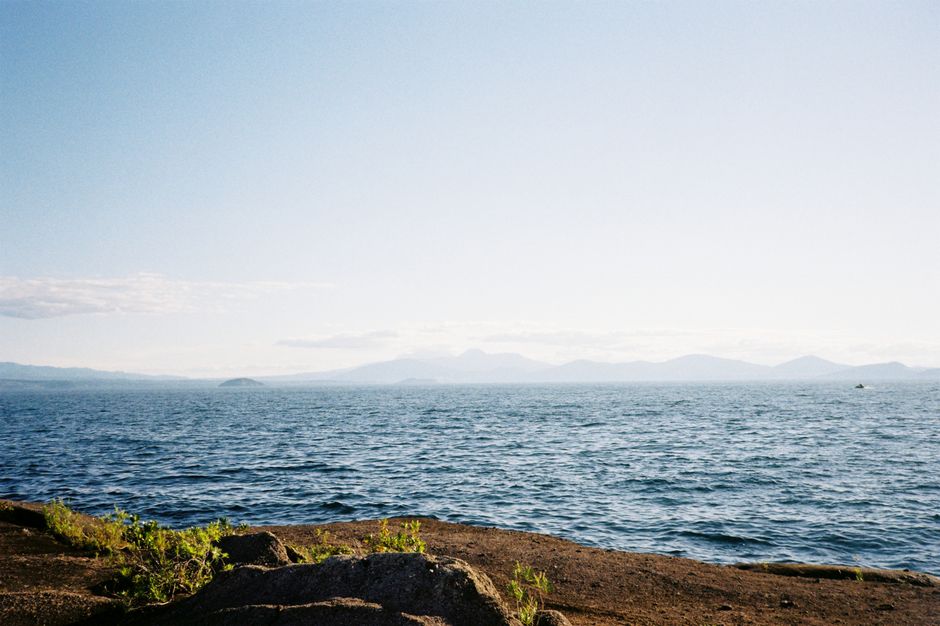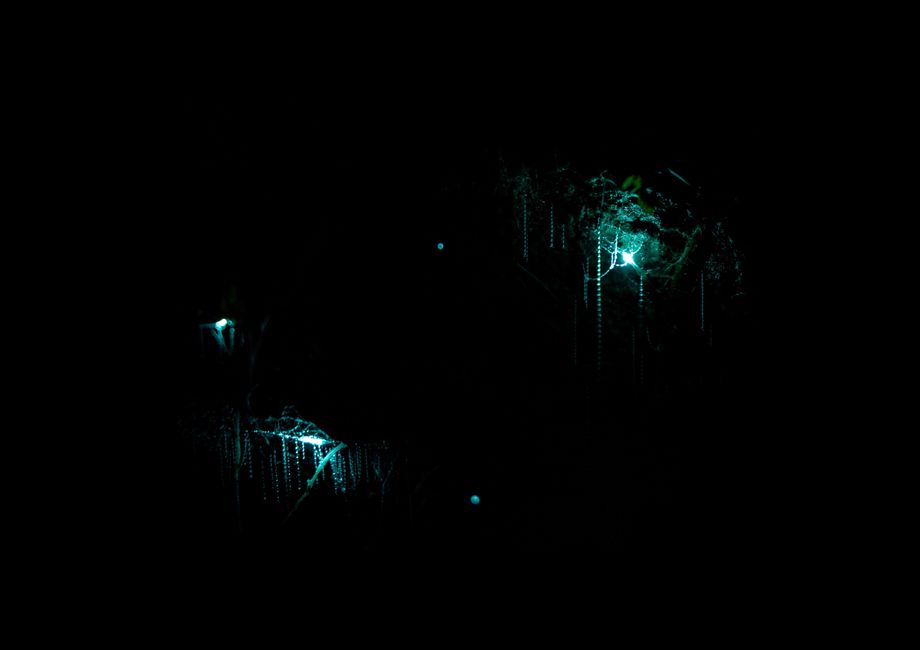
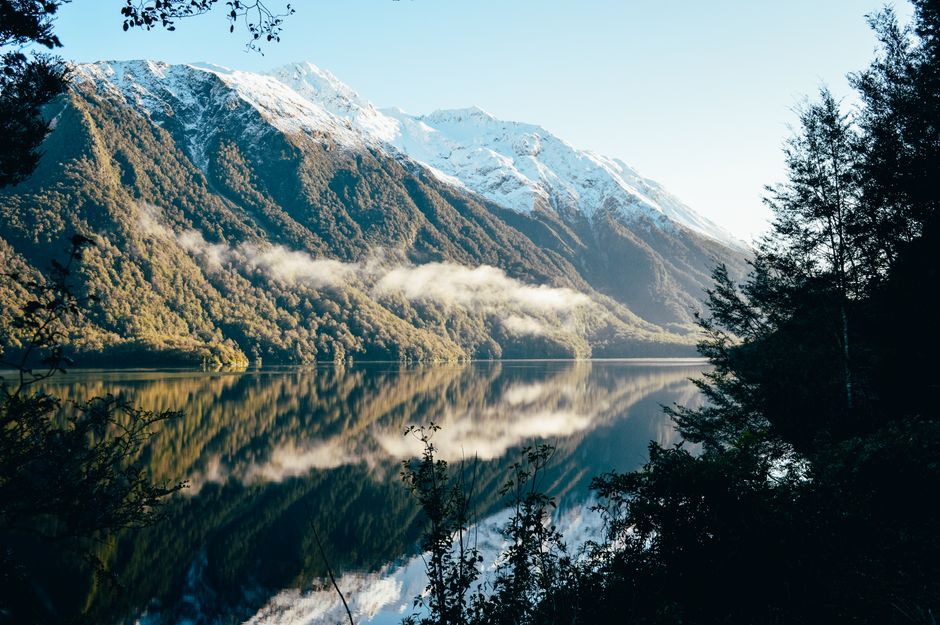
Fiordland National Park New Zealand sits in the south-west corner of the South Island. It is one of the country’s treasured natural icons and is internationally recognised as part of the wider UNESCO World Heritage site. Established in 1952, this park covers spectacular ice-carved fiords, lakes and valleys, rugged granite tops and pristine mountain to sea vistas. For anyone planning a trip to New Zealand’s wilder side, Fiordland is a must-see destination.
A Park of Immense Scale
At over 1.2 million hectares, Fiordland National Park is the largest of the 13 national parks in New Zealand. It is also one of the biggest national parks in the world. That vast area means there is a huge variety of landscapes to explore, from deep fiords to alpine peaks, and from dense rainforest to serene lakes. The park’s sheer size can feel overwhelming, but it also means you can find solitude and adventure far from the crowds.
Landscape and Natural Highlights
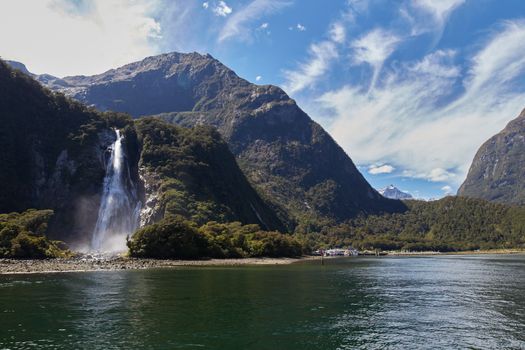
The landscape of Fiordland is defined by its ice-carved fiords. These dramatic waterways were shaped by glaciers over thousands of years and now plunge deep into the land. The park is renowned for the rugged grandeur of its fjords (locally spelled fiords), mountains, forests, waterfalls and lakes. Among the lakes is Lake Hauroko, New Zealand’s deepest lake. Every vista seems to combine steep rock faces, cascading water and snow-capped peaks, making Fiordland a photographer’s dream.
Milford Sound
Milford Sound is perhaps the most famous fiord in the park. It is known for its towering cliffs, waterfalls and the distinctive Mitre Peak that rises directly from the water. Several walking tracks lead to viewpoints overlooking the sound, and boat cruises are a popular way to experience the scale of the fiord. The journey to Milford Sound is itself a scenic drive, with valleys and tunnels carved through the mountains.
Other Fiords and Waterways
Beyond Milford Sound, Fiordland is home to Doubtful Sound, Dusky Sound and many other lesser-known fiords. Each has its own character. The fiords are lined with native forest that clings to steep slopes, and waterfalls tumble hundreds of metres during wet weather. The park’s lakes, such as Lake Te Anau and Lake Manapouri, are gateways to further wilderness and offer their own stunning reflections of the surrounding peaks.
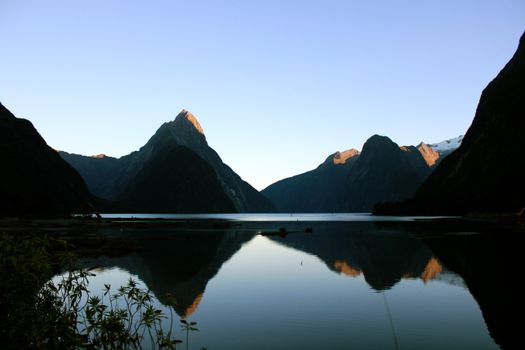
Walks and Tracks of Fiordland National Park New Zealand
Fiordland National Park is a world-class destination for walking and tramping. The park features a network of well-maintained tracks, from short nature walks to multi-day Great Walks. The challenge of the terrain is rewarded with breathtaking vistas of Milford Sound and other remote landscapes.
The Milford Track
The Milford Track is one of New Zealand’s most famous walks. Spanning mountain ranges, dense forests and alpine lakes, it offers an immersive experience of the park’s natural wonders. The track leads through valleys and over a high alpine pass before descending to Milford Sound. It is a multi-day tramp that requires booking, but it is hard to imagine a place better suited to nature lovers and explorers.
Other Walks
For those with less time or looking for a day walk, there are plenty of options around Te Anau and the Milford Road. The Key Summit track offers panoramic views of the surrounding mountains and valleys. The Hollyford Track is another multi-day option that takes you through rainforest, past lakes and out to the wild west coast. Shorter walks, such as the Lake Marian track or the Chasm walk, provide quick access to waterfalls and alpine scenery.
Wildlife and Conservation
Fiordland is home to several threatened native animals. The park provides habitat for species such as the kiwi, the takahē, the kea and various native birds. Unfortunately, introduced animals including mice, rats, stoats, hares, deer and possums have had a detrimental effect on native wildlife. The Department of Conservation (DOC) and local trusts run pest control operations to protect vulnerable species. Visitors may notice bait stations or warning signs, such as the Hollyford Conservation Trust’s operation in Martins Bay. It is important to respect these efforts by staying on marked tracks and following any safety advice.
Bird Life
Bird watchers will enjoy spotting the flightless takahē, which was once thought extinct and is now found in the Murchison Mountains within Fiordland. The kea, a cheeky alpine parrot, is often seen around car parks and huts. Bellbirds, fantails and robins are also common in the forested areas. The best time for bird activity is early morning or late evening.
Planning Your Visit
Fiordland National Park is open all year, but conditions can change quickly. Heavy rain is common, especially in the fiords, and tracks can become muddy and slippery. Summer (December to February) brings longer days and milder weather, making it the most popular time. Winter (June to August) offers fewer crowds and the chance to see snow on the peaks, but some tracks may be closed or require extra gear. Always check the DOC website for current alerts, including pest control operations, hut bookings and track conditions.
Getting There
The main gateway town is Te Anau on the eastern edge of the park. From there you can drive to Milford Sound in about two hours, or take a bus tour. Queenstown is about two hours north of Te Anau and offers flights and further transport options. Access to other parts of the park, such as the Hollyford Track or Lake Hauroko, often requires a vehicle suited to remote roads. Many visitors choose to join a guided tour or book a boat cruise to experience the fiords safely.
Where to Stay
Te Anau offers a wide range of accommodation, from budget backpackers to lakeside lodges. Within the park itself, DOC huts and campsites are available along major tracks. The Great Walk huts on the Milford Track must be booked in advance. For a more comfortable option, the Milford Sound Lodge provides accommodation right at the fiord. If you are self-driving, there are several campsites operated by DOC, but remember to book ahead during peak season.
Frequently Asked Questions
What is Fiordland National Park best known for?
Fiordland National Park is best known for its spectacular ice-carved fiords, especially Milford Sound, and for being the largest national park in New Zealand. The park also contains several famous walking tracks, including the Milford Track, and is part of the Te Wahipounamu UNESCO World Heritage site.
How large is Fiordland National Park?
Fiordland National Park covers over 1.2 million hectares, making it the largest of New Zealand’s 13 national parks and one of the biggest in the world. It stretches across the south-west corner of the South Island and encompasses a vast area of fiords, mountains, forests and lakes.
What animals live in Fiordland?
Fiordland is home to several threatened native animals, including the takahē, kiwi and kea. Introduced animals such as rats, stoats and possums have harmed native wildlife, so conservation efforts are ongoing. Visitors might also see deer, hares and native birds like the fantail and bellbird.
What is the best way to explore Fiordland National Park?
The best way to explore Fiordland depends on your time and fitness level. Many visitors take a boat cruise on Milford Sound or a scenic drive from Te Anau. For a deeper experience, multi-day walks like the Milford Track or Hollyford Track offer incredible scenery. Day walks from the road are also excellent.
When is the best time to visit Fiordland?
Summer (December to February) offers the mildest weather and the most reliable access to tracks and roads. However, rain is possible any time. Winter brings fewer crowds and snow-capped peaks, but some tracks may be closed. Spring and autumn can be quieter and still provide good walking conditions. Always check current track conditions before you go.