Hamilton Zoo New Zealand offers one of the best wildlife experiences in the Waikato region. As the largest zoological park in the North Island, it attracts families, couples, and solo travellers looking for a few hours among native and exotic animals. Located on the outskirts of Hamilton city, the zoo is easy to reach and makes a relaxed day out. This guide covers everything you need to know before you go, from ticket prices and opening hours to the animals you will see and the conservation work happening behind the scenes.
Where Is Hamilton Zoo and How to Get There
Hamilton Zoo is situated at 183 Brymer Road, in the Rotokauri suburb of Hamilton. It sits within the Te Kaaroro Nature Precinct, an area set aside for conservation and recreation. The zoo adjoins Waiwhakareke Natural Heritage Park, described as New Zealand’s largest urban restoration project of its type. Visitors can easily combine a trip to the zoo with a walk through this restored wetland and forest habitat.
If you are driving from central Hamilton, the trip takes roughly 15 minutes. Parking is available on site. For those using public transport, a bus service stops near the zoo entrance, though checking the local timetables for the most current route is worthwhile. The contact phone number for the zoo is +64 7 838 6720, and you can email them at zooinfo@hcc.govt.nz for any enquiries.
Opening Hours and Best Time to Visit
Hamilton Zoo is open daily from 9:30 AM to 4:30 PM. The last entry is at 3:30 PM, so you need to arrive before that cut-off to make the most of your visit. Most visitors spend two to three hours at the zoo, according to traveller feedback on Tripadvisor. That time frame allows you to see the main exhibits, enjoy a break at the café, and let children play in the playgrounds.
Weekday mornings tend to be quieter than weekend afternoons. School holidays and public holidays can be busier, so arriving shortly after opening gives you a head start before crowds build. The zoo operates year-round, and the weather in Hamilton is generally mild. Rainy days are common in the Waikato, but many animal exhibits have sheltered viewing areas, so a light jacket and umbrella can keep your visit on track.
Hamilton Zoo New Zealand Ticket Prices and Concessions
Adult admission is $26.00, while children aged 14 and under pay $12.00. These are the standard gate prices listed on the Tourism New Zealand website. Concession pricing is available for students, Community Services Card holders, and seniors at $19.00. It is always wise to check the official Hamilton Zoo website before your visit, as prices may be updated seasonally or special promotions may apply.
The zoo does not appear to offer online-only discounts on its main homepage, but tickets can be purchased at the entrance. If you are visiting with a large group, contacting the zoo directly by phone or email may help you find out about group rates. Concession card holders should bring their cards to present at the ticket counter.
Animals at Hamilton Zoo: What You Will See
Hamilton Zoo is home to hundreds of animals. Different sources give slightly different numbers. The Tourism New Zealand website states there are over 600 native and exotic animals, while Wikipedia reports more than 400 animals representing over 93 species, and Tripadvisor lists 450-plus animals. These variations likely reflect different counting methods or updates over time. What is certain is that the zoo offers a wide variety of mammals, birds, and reptiles from New Zealand and around the world.
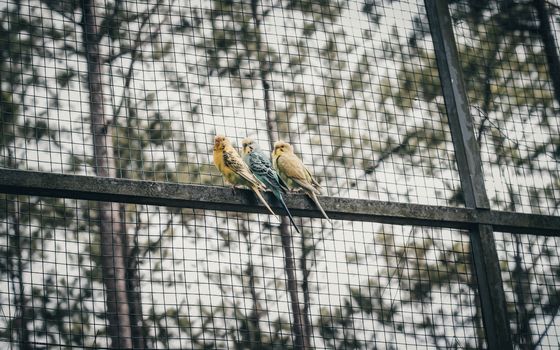
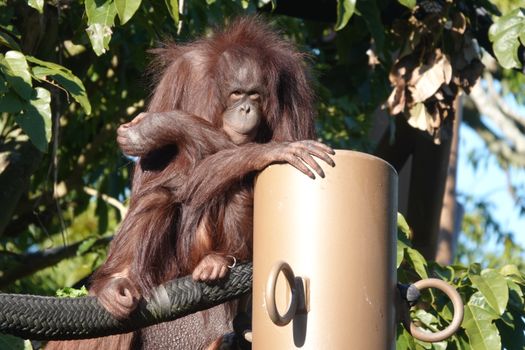
Among the exotic species, visitors regularly see primates, big cats, giraffes, and a range of bird species. New Zealand native species include kiwi, tuatara, and other endemic wildlife. The zoo has an active breeding program for several threatened species, so the animal population changes over time as part of conservation efforts.
New Zealand’s Largest Walk-Through Aviary
One of the standout features at Hamilton Zoo is the walk-through aviary, which is the largest of its kind in New Zealand for native birds and plants. You can step inside and walk among native species in a naturalistic setting filled with native foliage. This exhibit, also referred to by Wikipedia as the Free Flight Sanctuary, gives you a close-up view of birds flying and feeding around you.
The aviary is a highlight for many visitors, especially families with children. It offers a calm, immersive experience that sets Hamilton Zoo apart from other wildlife attractions in the North Island. The design encourages birds to behave naturally, and the planting reflects the ecological zones of the Waikato region.
Conservation and Animal Encounters
Hamilton Zoo was the first zoo in New Zealand to receive full accreditation from the Zoo and Aquarium Association (ZAA). This accreditation signals that the zoo meets high standards in animal welfare, enrichment, and conservation. The zoo also runs animal encounter programs where visitors can get closer to selected species. An important detail is that 80% of the proceeds from these encounters support conservation efforts for the species involved, both at Hamilton Zoo and in the wild.
These encounters are popular and may need to be booked in advance, especially during busy periods. Contacting the zoo before your visit is a good idea if you have your heart set on a specific encounter. The conservation focus is a core part of the zoo’s mission, and the staff are generally happy to talk about the work they do with native and exotic species.

Facilities at Hamilton Zoo
The zoo offers a café where you can buy food and drinks, a gift shop for souvenirs, and several playgrounds for children. These facilities make it easy to spend a full morning or afternoon on site. The playgrounds are well-maintained and give younger visitors a chance to burn off energy between animal exhibits.
If you prefer to bring your own food, there are picnic areas where you can sit and eat. The grounds are well laid out with paths that are suitable for pushchairs and wheelchairs. Toilets are located at several points around the zoo. The café menu typically includes hot and cold options, but if you have specific dietary requirements, checking ahead or bringing your own snacks is a safe plan.
Waiwhakareke Natural Heritage Park
Right next to the zoo is Waiwhakareke Natural Heritage Park. This is New Zealand’s largest urban restoration project of its type, aiming to recreate the native ecosystems that once covered the Hamilton basin. Walking trails wind through regenerating forest, wetlands, and lakes. It is a free attraction and a great addition to a zoo visit.
The park is still developing as plantings mature, but it already offers good birdwatching and a peaceful contrast to the zoo’s more formal exhibits. If you have time after the zoo, a short walk here rounds out your day with a dose of New Zealand native landscape. The two sites are connected, so you can move between them easily.
History of Hamilton Zoo
Hamilton Zoo first opened its gates in 1969, originally under the name Hilldale Game Farm. It began as a private collection before being taken over by the Hamilton City Council, which continues to own and operate it today. Over the decades, the zoo has grown from a modest game farm into a major regional attraction and an accredited conservation facility.
The decision to seek ZAA accreditation placed Hamilton Zoo at the forefront of zoo management in New Zealand. It was the first zoo in the country to achieve full ZAA accreditation, which covers everything from animal nutrition and veterinary care to enclosure design and visitor education. That history matters if you care about the welfare of the animals you are paying to see.
Tips for Your Visit
Wear comfortable walking shoes. The zoo covers 25 hectares (62 acres), and you will cover a fair distance walking between exhibits. Bring a water bottle and sun protection on fine days, as much of the zoo is outdoors. If rain is forecast, a raincoat and an umbrella will keep you comfortable, since many paths are uncovered.
Allow two to three hours for your visit. That gives you time to see the animals without rushing, grab something to eat at the café, and let children play in the playgrounds. If you want to do an animal encounter, arrive early and ask at the ticket counter about availability. Finally, check the official Hamilton Zoo website or call ahead for any changes to hours, prices, or special events on the day you plan to visit.
What Nearby Attractions Combine Well With the Zoo
Hamilton has a number of other attractions within a short drive. The Hamilton Gardens are a popular stop, offering themed garden collections from around the world. The Waikato River runs through the city and has walking and cycling paths along its banks. If you are travelling with children, the various parks and playgrounds in Hamilton provide extra options for burning off energy after the zoo.
If you are planning a longer stay in the Waikato, consider basing yourself in Hamilton for a few days. The city has accommodation ranging from budget motels to hotels, and it sits conveniently between Auckland and the central North Island. That makes it a good stopover on a longer road trip or a destination in its own right for a weekend away.
Frequently Asked Questions
Is Hamilton Zoo the biggest zoo in New Zealand?
Hamilton Zoo is the largest zoological park in the North Island, but not the largest in New Zealand overall. It covers 25 hectares (62 acres) and holds over 400 animals across more than 93 species. Wellington Zoo and Auckland Zoo are also major facilities, each with their own strengths.
How long does a visit to Hamilton Zoo usually take?
Most visitors spend two to three hours at the zoo, based on feedback on Tripadvisor. That time is enough to see the main animal exhibits, walk through the aviary, have a break at the café, and let children use the playgrounds. Arriving at opening time helps you make the most of the day.
Can I bring my own food into Hamilton Zoo?
Yes, you can bring your own food and use the picnic areas provided. The zoo also has a café for those who prefer to buy meals and snacks on site. Bringing a packed lunch can save money and give you more flexibility with your timing, especially if you are visiting with a family.
Does Hamilton Zoo have kiwi?
Hamilton Zoo does house kiwi as part of its native species collection. The zoo participates in conservation breeding programs for several threatened New Zealand species. The walk-through aviary and native bird exhibits give you a good chance of seeing kiwi and other endemic birds during your visit.
Are there animal encounters available at Hamilton Zoo?
Yes, animal encounters are offered for selected species. An important point is that 80% of the purchase price goes toward conservation for the species involved, both at the zoo and in the wild. It is best to contact the zoo in advance to check availability and book if needed, especially during school holidays.