If you are planning your first winter trip to the North Island ski fields, Whakapapa on the northern slopes of Mount Ruapehu is a fantastic place to start. Perched within the heart of Tongariro National Park, a UNESCO Dual World Heritage site, this ski area offers an impressive mix of beginner-friendly learning zones, wide groomed trails, and adventurous chutes for more experienced skiers and snowboarders. Whether you are bringing the family, learning for the first time, or looking for a weekend escape from Auckland or Wellington, this guide covers the essentials to help you prepare for your visit to Whakapapa ski fields.
When Is Ski Season at Whakapapa?
Whakapapa’s winter season runs in two key stages. Early winter activities, including Snowland and scenic gondola rides, get underway from 30 May 2026. Snowland is a dedicated area for tubing, sledding, and general snowplay, all accessible with one ticket – perfect for families and first-time visitors who want to enjoy the snow without skiing. Skiing and snowboarding themselves kick off from 4 July 2026, once there is enough natural snowfall to cover the slopes.
Throughout the main winter months, the base area facilities open from 9.30am, with the Sky Waka gondola and Snowland opening from 10am. The season typically runs through to late spring, but conditions can vary from year to year. For up-to-date snow conditions, the MetService provides a detailed ski field forecast that includes temperature, wind speed, rainfall, road conditions, and facility status. Checking that forecast before you travel is always a smart move.
How to Get to Whakapapa Ski Fields
Whakapapa sits on the north-western slopes of Mt Ruapehu, inside Tongariro National Park. For first-time visitors from the North Island’s main centres, self-driving is the most flexible way to get there. If you are coming from Auckland, you will head south towards Taupō and then continue to the mountain. From Wellington, it is a journey north through the central plateau. Exact driving times depend on road and weather conditions, so it pays to plan for extra time, especially in snow or ice.
The access road to Whakapapa is sealed but can be affected by winter weather. The MetService forecast includes road condition updates, and it is wise to carry snow chains during the ski season. Some visitors prefer to stay in nearby towns such as National Park Village or Whakapapa Village and take the ski shuttle up the mountain. No matter how you travel, the views of the volcanic landscape as you approach the ski area are unforgettable.
Once you arrive, you will find car parking near the base area. During busy weekends, parking can fill early, so arriving before 9am is a good idea. If you are staying locally, shuttle services operate between accommodation and the ski field.
What to Expect: Beginners vs Experienced Skiers and Snowboarders
For Beginners and Families
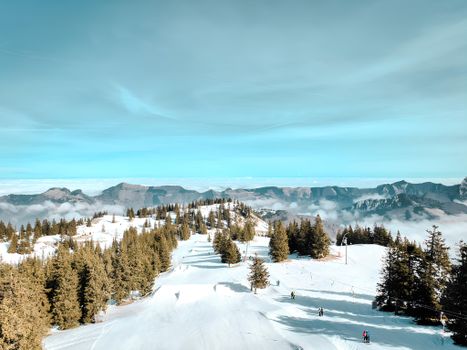
Whakapapa’s Happy Valley is the premier learner area on the mountain. It offers a contained, gentle slope that is ideal for first-timers, with a dedicated magic carpet and beginner chairlift. The ski field also offers a “Learn to Ski” package that typically includes a group lesson, equipment hire, and lift access to the beginner area. If you are not sure skiing is for you, Snowland provides tubing, sledding, and snowplay – a low-pressure way to enjoy the snow without strapping on skis or a board.
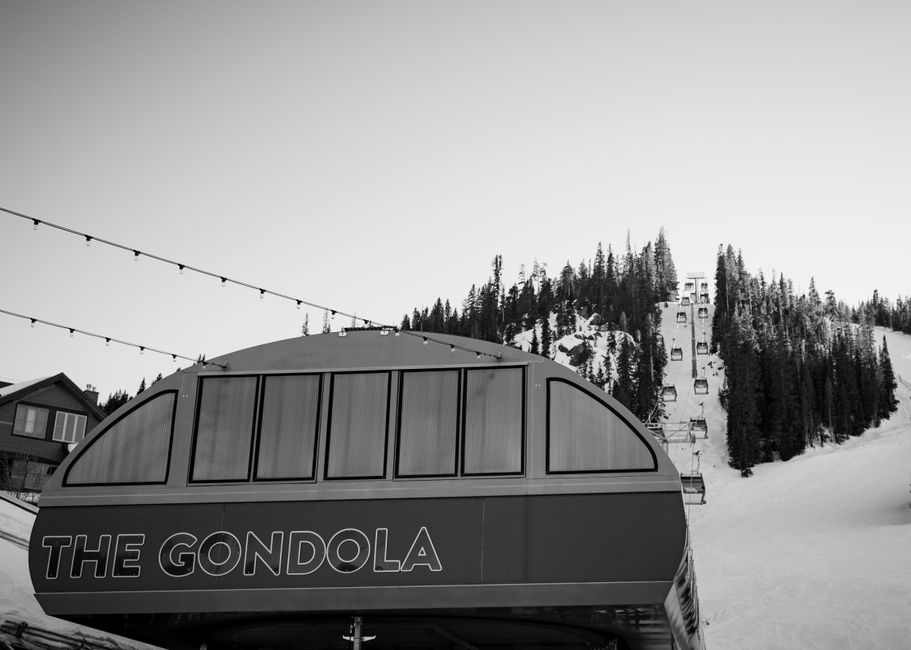
The Sky Waka gondola is another highlight for all ages. Even if you do not ski, you can ride the gondola from its base station at 1,630m up to Knoll Ridge Chalet. The 12-minute journey climbs 390 metres over 1.8 kilometres in one of 48 glass cabins that seat up to ten people. For an even better view, you can upgrade to a premium glass cabin. At the top, you can enjoy food and take in breathtaking views over Tongariro National Park.
For Experienced Skiers and Snowboarders
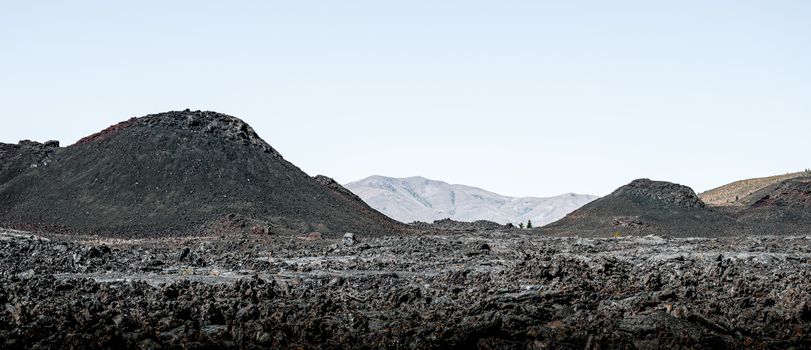
Whakapapa spans about 550 hectares of incredible natural terrain. The volcanic landscape, formed by solidified lava, creates a mix of wide groomed trails, snow-filled basins, steep chutes, and hidden powder stashes. This variety makes it a favourite among advanced riders who want to explore beyond the groomed runs. The ski field offers backcountry access points, but always check avalanche conditions and go with a partner who knows the terrain.
If you are comparing Whakapapa with Tūroa on the southern slopes, the experience is different. Whakapapa is known for its extensive beginner facilities and family-friendly atmosphere, while Tūroa is popular with advanced skiers looking for longer, steeper runs. Both areas operate on the same mountain, so you can easily spend a day at each if you have a multi-day trip.
Rental Equipment and Lessons
If you do not own your own ski or snowboard gear, you can hire everything you need on the mountain. Whakapapa has rental shops located in the base area where you can pick up skis, snowboards, boots, poles, helmets, and clothing. The “Learn to Ski” package is a good value option because it bundles equipment with a lesson and a lift pass for the beginner area.
For those who already know how to ride, rental gear is available without a lesson. It is worth pre-booking online, especially during school holidays, to guarantee availability and save time queuing on the day. Remember to dress in warm, waterproof layers regardless of whether you rent outerwear – the weather on Mt Ruapehu can change quickly.
Nearby Accommodation Options
While Whakapapa does not have on-mountain accommodation, there are plenty of places to stay within a short drive. The closest option is Whakapapa Village, located just at the foot of the access road within Tongariro National Park. A bit further down is National Park Village, which offers a wider range of motels, lodges, backpackers, and holiday homes. Taupō to the north-east and Ohakune to the south-west are both about an hour’s drive away and have extensive accommodation choices.
For summer visits, when you can ride the Sky Waka gondola for sightseeing and walk the marked trails, staying in the same towns works well. Summer is a quieter time on the mountain, so you can often find more relaxed accommodation options. Book early during the winter season, particularly for July school holidays, as places fill up quickly.
What Else to Know Before You Go
Whakapapa is a commercial ski field on Mt Ruapehu, and it operates alongside Tūroa on the southern side. The mountain itself is the highest in the North Island and sits within the dual World Heritage Tongariro National Park. That means the landscape is protected for its cultural and natural significance – treat it with respect.
If you are visiting in summer, the experience changes completely. The snow melts, the gondola runs for sightseeing, and you can dine at Knoll Ridge Chalet while walking some of the short trails. Tūroa is also working toward a summer offering with food, beverages, and activities in development. Summer is a great time to get your bearings on the mountain without the winter crowds.
When planning your trip, always check the official Whakapapa website and the MetService forecast for the latest information on opening dates, snow conditions, and road status. Conditions on Mt Ruapehu can shift rapidly, so being prepared makes for a much more enjoyable day out.
Frequently Asked Questions
Is Whakapapa good for first-time skiers?
Yes, Whakapapa has a dedicated beginner area called Happy Valley with gentle slopes, a magic carpet, and a learner chairlift. The ski field offers a Learn to Ski package that includes a group lesson, rental equipment, and lift access. Snowland also provides tubing and sledding for those who want a non-skiing snow experience.
How long does the Sky Waka gondola ride take?
The Sky Waka gondola takes about 12 minutes to travel from its base station at 1,630m up to Knoll Ridge Chalet. It climbs 390 metres over 1.8 kilometres in a glass cabin that seats up to ten people. A premium glass cabin option is available for an enhanced view.
When do the ski lifts start running each day?
During the winter season, base area facilities open from 9.30am. The Sky Waka gondola and Snowland open from 10am. Always check the daily report on the Whakapapa website as opening times can change depending on weather and snow conditions.
What is the difference between Whakapapa and Tūroa ski fields?
Whakapapa is on the northern slopes of Mt Ruapehu and is known for its extensive beginner facilities and family-friendly atmosphere. Tūroa is on the southern slopes and is generally steeper, making it more popular with advanced skiers. Both are world-class ski areas, and many visitors spend a day at each during a longer trip.
Can you visit Whakapapa in summer?
Yes, Whakapapa operates in summer with sightseeing aboard the Sky Waka gondola, food and beverage options at Knoll Ridge Chalet, and marked walking trails. Summer is a quieter time to experience the mountain and take in the views of Tongariro National Park without the winter crowds.